European Powers Reject US Pressure for Military Aid in Hormuz Strait
In a significant diplomatic standoff, major European countries have firmly declined requests from former US President Donald Trump to deploy warships to the Strait of Hormuz, despite escalating threats over NATO's future. This refusal comes amid a widening regional conflict between Israel and Iran, which has disrupted global oil shipments and heightened security concerns across the Middle East.
Germany Leads Opposition to Military Involvement
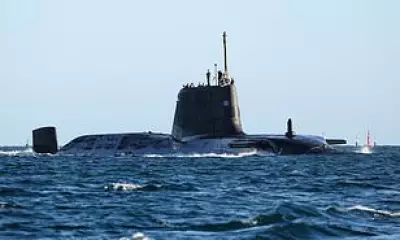
Chancellor Friedrich Merz of Germany explicitly ruled out any military participation, stating that the nation will not contribute forces to efforts aimed at reopening the vital waterway. He emphasized that bombing Iran into submission is not a viable strategy, based on historical lessons. Defence Minister Boris Pistorius echoed this sentiment, questioning the utility of European frigates in a conflict where the US Navy alone has struggled to manage the situation.
Merz declared: "This Iranian regime must come to an end, but based on all the experience we have gained in previous years and decades, bombing it into submission is, in all likelihood, not the right approach."

UK and Italy Prioritise Diplomatic Solutions
Prime Minister Keir Starmer of the United Kingdom affirmed that Britain would avoid being drawn into a broader war, instead focusing on developing a collaborative plan with international partners to ensure market stability by reopening the strait. Similarly, Italy's Foreign Minister Antonio Tajani stressed that diplomacy must prevail, with no current naval missions planned for the area, citing the defensive nature of existing EU operations like Operation Aspides in the Red Sea.
Starmer noted: "Ultimately, we have to reopen the Strait of Hormuz to ensure stability in the oil market. That is not a simple task."
Trump's Ultimatum and European Skepticism
Donald Trump has repeatedly urged allies to assist in securing the strait, warning that a lack of response could jeopardize NATO's future. In a recent interview, he argued that beneficiaries of the waterway should contribute to its protection. However, European leaders have expressed doubts about US strategic goals, with Estonian Foreign Minister Margus Tsahkna calling for clarity on long-term plans.
The EU foreign ministers' meeting concluded without expanding Operation Aspides's mandate, reflecting a consensus against military escalation. Greece, which hosts the operation's headquarters, also confirmed it would not engage in strait-related military actions.
Escalating Conflict and Regional Impact
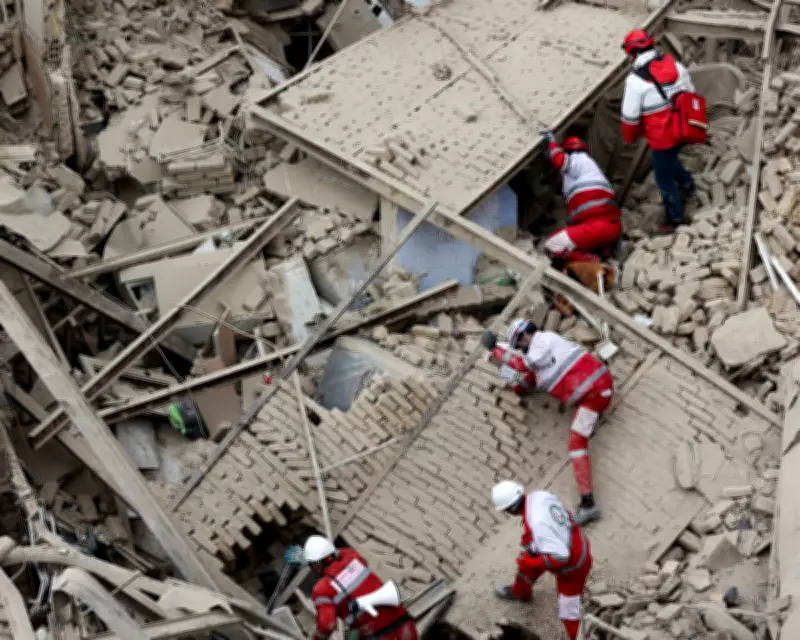
Israel has intensified its offensive, launching widespread strikes on Iranian cities like Tehran, Shiraz, and Tabriz, and claiming to have destroyed a plane used by Iran's late supreme leader. Israeli military spokesperson Lieutenant Colonel Nadav Shoshani outlined detailed operational plans for at least the next three weeks, aimed at degrading Iran's security capabilities.
The conflict's repercussions are spreading across the Gulf region:
- Oil-loading operations were suspended at Fujairah port after a drone attack caused a fire, affecting roughly 1 million barrels of crude daily.
- A separate drone incident near Dubai airport disrupted flights and ignited a fuel tank.
- Air raid sirens sounded in central Israel following an intercepted Iranian missile, with debris falling near Tel Aviv.
Iranian Foreign Minister Abbas Araghchi rejected ceasefire talks, asserting that the war must conclude in a manner that deters future aggression. Meanwhile, US casualties have risen, with about 200 troops wounded and 13 killed since the conflict began on February 28, according to recent reports.
Humanitarian and Strategic Concerns
Germany has cautioned against an Israeli ground offensive in Lebanon, warning it would exacerbate humanitarian crises. The conflict has already resulted in significant casualties, with over 1,800 reported deaths in Iran and at least 850 in Lebanon, including numerous children.

As European nations steadfastly advocate for diplomatic resolutions, the standoff underscores deepening divisions over military strategy in the Middle East, with stability in the Strait of Hormuz remaining a critical global concern amid soaring energy prices and regional volatility.