Fresh Strikes on Tehran and Beirut as Iran Targets US Bases in Gulf
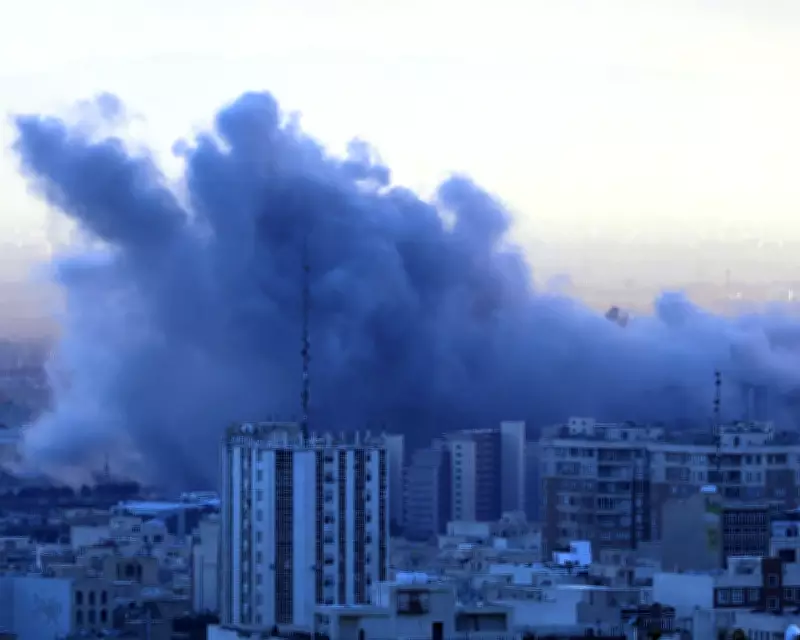
Smoke continues to rise above Tehran as the conflict between Israel and Iran intensifies, entering its fifth day with devastating consequences. Estimates indicate that between 800 and 1,500 Iranians have lost their lives in the ongoing hostilities, marking a significant escalation in regional violence.
Explosions Rock Iranian Capital
In the early hours of Wednesday, explosions were heard across Tehran following what the Israeli military described as broad-scale strikes against regime targets. Kurdish media reports confirm that police stations and Iranian Revolutionary Guards Corps (IRGC) headquarters in north-western Iran were also destroyed in these attacks.
The death toll in Iran has soared, with casualties mounting rapidly over the past five days. This surge in fatalities underscores the severe human cost of the conflict, as both sides engage in aggressive military operations.

US and Israeli Assessments
US and Israeli officials have provided an optimistic assessment of the war's progress, stating that it is going better than expected. However, the end goals remain unclear, with contradictory aims being presented. The Trump administration has variously cited objectives such as regime change, destroying Iran's ballistic missile capacity, preventing nuclear weapon development, and halting support for regional proxies.
President Donald Trump mentioned that some individuals he considered as potential post-war leaders for Iran were killed in the initial days of the conflict. He expressed a preference for someone from within Iran, rather than exiled figures like Reza Pahlavi.
Iran's Internal Developments
Amid the chaos, funeral proceedings for the late Supreme Leader Ayatollah Ali Khamenei began in Tehran on Wednesday morning. Khamenei, who was killed in US-Israeli airstrikes on Sunday, will lie in state for three days in a central Tehran compound for public viewing.
Simultaneously, Iran's senior clerics convened to appoint a new supreme leader, a role that serves as both head of state and military commander. The favoured candidate is reported to be Mojtaba Khamenei, the 56-year-old son of Ali Khamenei, who is supported by the IRGC. Analysts warn that his appointment could signal a hardline shift and increased IRGC influence, potentially exacerbating domestic tensions following recent protests that resulted in thousands of deaths.
Regional Escalations
Iran has continued to target US bases and installations across the Gulf, striking the US embassy in Saudi Arabia and consulate in the United Arab Emirates. Additionally, Iranian drones and missiles hit US military radars in Bahrain and Qatar, marking unprecedented attacks on US assets in the region.
On the Israeli front, Iran launched missile barrages overnight, though most were intercepted without casualties. Hezbollah also intensified its attacks, firing rockets and suicide drones at northern Israel and claiming to have struck Israeli tanks and downed a drone in Lebanon.
In response, Israel conducted wide-ranging airstrikes across Lebanon, particularly in Beirut's southern suburbs, causing explosions that rattled the capital. A hotel in Hazmieh, near the presidential palace, was struck without warning, contributing to the growing death toll.
Humanitarian Impact
Lebanon's health ministry reported six new fatalities from the strikes, bringing the total to 46 since Monday. Over 58,000 people have been displaced, and panic has spread as rumours of evacuation orders led to mass, sometimes erroneous, flights from affected areas.
US Admiral Brad Cooper stated that the US has struck approximately 2,000 targets, severely degrading Iran's air defences and destroying weapons caches. Israeli military spokesperson Brigadier General Effie Defrin confirmed strikes on a building in Qom, where religious authorities were meeting, and on sites storing ballistic missiles and nuclear components, though Iran denies any nuclear weapon ambitions.
As the conflict rages on, experts warn that attempts to destroy Iran's nuclear programme could backfire, potentially driving the regime towards developing a bomb. The situation remains fluid, with no clear resolution in sight, as regional stability hangs in the balance.