Conflict Shatters Gulf's Illusion of Peace and Luxury
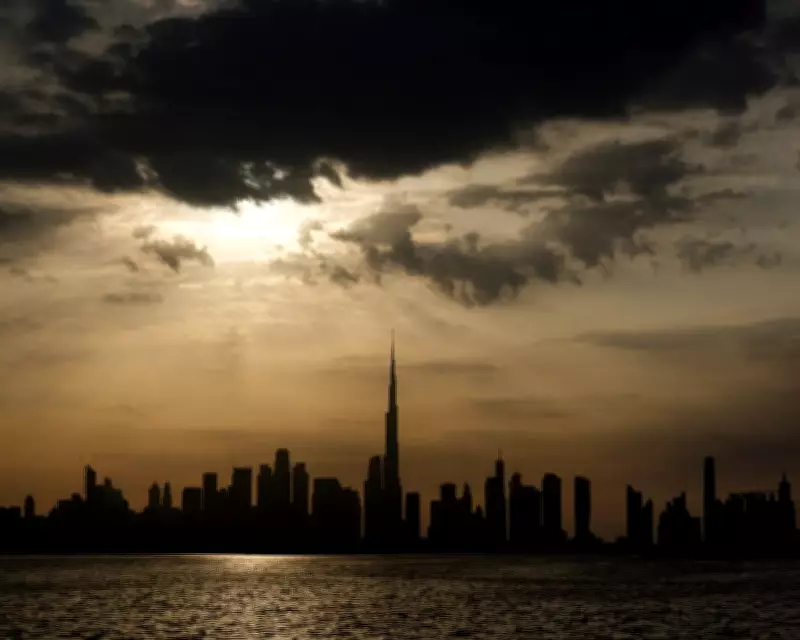
The Dubai skyline, once a symbol of opulence and tranquility, now bears witness to a stark new reality. As fighting in the Middle East enters its third week, Gulf states find themselves on the frontline of an increasingly intractable conflict. Following a US-Israeli attack on Iran in late February, drones and missiles have showered the United Arab Emirates, Qatar, Kuwait, Bahrain, and Saudi Arabia, bringing the region's vital oil and gas industries to a near standstill and prompting a mass exodus of tourists and expatriates.
Dubai, located less than 100 miles from Iran, has settled into a strange and unsettling rhythm amid the conflict. Fighter jets patrol the skies above, while water skis glide below on the Persian Gulf. Luxury hotels, long seen as bastions of safety and indulgence, have become surprising targets for Iranian projectiles. This juxtaposition raises profound questions about how parts of the Gulf will maintain their carefully cultivated image of quiet luxury and peace—and to what extent that image has always been a mirage.
Security Alliances and Economic Fallout
Over decades, Gulf states have built strong security alliances with the United States, hosting a network of military bases across the Persian Gulf that house approximately 40,000 American troops. However, the conflict has exposed the vulnerabilities of these partnerships. In Qatar, which has invested heavily in cozying up to the Trump administration, all liquefied natural gas production remains suspended. The Strait of Hormuz, a crucial bottleneck through which the Gulf's oil, gas, and fertilizer must pass to reach global markets, is almost entirely impassable due to fears of Iranian attacks.

As Gulf states spend billions intercepting Iranian missiles and drones, there are growing questions about the wisdom of alliances that have made them targets. With many countries reliant on oil exports, they are bleeding cash at a critical time. The longer the conflict extends, the more severe the economic and security repercussions will become, threatening long-term stability in the region.
Human Impact and Media Narratives
Amid the chaos, media coverage has often depicted a one-dimensional image of those affected across the UAE. Initial reports focused on influencers fleeing Dubai, but this overlooks the hundreds of thousands of migrant workers from India and Nepal who cannot leave due to financial constraints or coercive work contracts. Dubai has also become a safe haven for refugees from Syria and Afghanistan who were not welcome in the West.
"Lots of rich people come to have a nice life and not pay any taxes and make lots of videos about it, but they are not the only people that live in Dubai," notes Hannah Ellis Peterson, the Guardian's south Asia correspondent. The city's role as a refuge for those displaced by conflict in the Middle East means that many residents have nowhere else to go, regardless of the fighting.
Broader Implications and Future Prospects
The conflict has raised hard questions about the region's security partnerships with America. Gulf states need the protection of a superpower like the US but cannot afford to publicly criticise them, especially as they may soon require more weapons for defence. However, the widening conflict is starting to show cracks in this arrangement. For instance, Qatar was bombed by Israel in September, and Saudi Arabia has come under attack, yet America has not intervened, undermining the notion that US bases offer reliable protection.
Looking ahead, the worst-case scenario involves a prolonged conflict that leaves the Iranian regime weakened, angry, and volatile, making it a far more difficult neighbour for Gulf states to deal with. The mirage of quiet luxury has been perforated by drone strikes, and the region must now confront the harsh realities of its geopolitical position. As the fighting continues, the Gulf's ability to project an image of peace and prosperity will be severely tested, with lasting implications for its economy, security, and global standing.