ICE Denies Agents Are Hiding Trump-Inspired Fleet Amid Reports of Reluctance
Immigration and Customs Enforcement has strongly denied allegations that its multi-million dollar fleet of vehicles, featuring custom paint jobs inspired by former President Donald Trump's private jet, is being hidden away by agents who refuse to drive them. The agency insists the vehicles are actively supplementing operations across the country, contradicting reports from officers who claim the flashy markings compromise their work.
Multi-Million Dollar Fleet Sparks Controversy
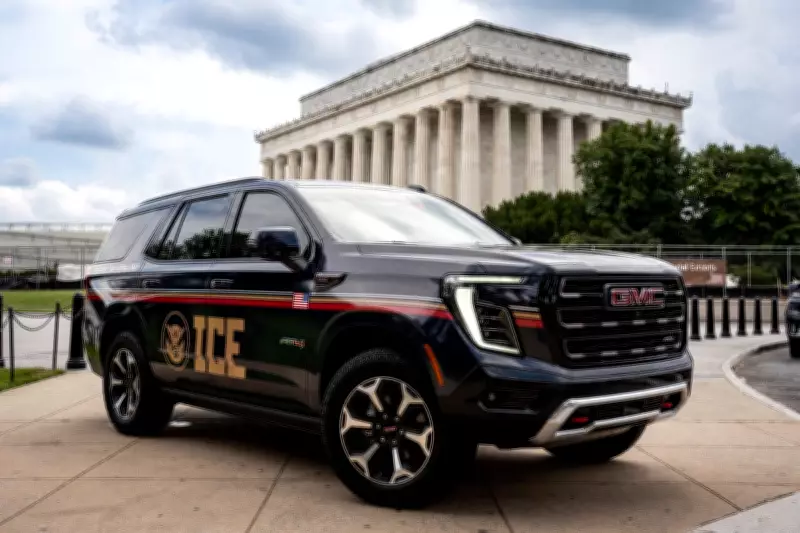
Last summer, a promotional video showcased Ford Raptor pickup trucks and GMC Yukon SUVs rolling through Washington, D.C., adorned with navy blue paint, red-and-white racing stripes, and gold seals. The vehicles bore phrases like "defend the homeland" and "President Donald J. Trump" in gold lettering, mimicking the livery of Trump's aircraft. Homeland Security's initial preview cost over $700,000, with total expenditures exceeding $2 million for hundreds of custom-wrapped cars, according to contracts reviewed by The Independent.
However, sources told The Washington Examiner that ICE officers are reluctant to use these marked vehicles. "ICE has never had marked vehicles," one insider revealed. "In talking to people, they're like, 'We don't want to use these, we can't.'" Another agent called it "ridiculous" to drive such conspicuous cars, arguing that advertising their presence hinders operations. "We're just hiding them in a parking garage somewhere because we don't want to drive them," the person added. Reports indicate roughly 25 new ICE vehicles are sitting unused at a California detention facility.
ICE Defends Fleet Usage and Safety
In response, an ICE spokesperson categorically rejected claims of non-use. "Any allegation that these ICE vehicles are not being used is FALSE. ICE is a law enforcement agency, and like all other law enforcement agencies, has a fleet of vehicles that includes those with ICE branding," the spokesperson stated. They emphasized that the vehicles support nationwide operations and prioritize officer safety, dismissing suggestions that branded cars jeopardize security as unfounded.
Yet, government contracts for the fleet explicitly linked the paint jobs and branding to operational effectiveness. Documents from last summer outlined plans to acquire 100 vehicles every 60 days, with a no-bid contract for at least 1,000 Trump-inspired vehicles. The request warned that without properly marked cars, deployment delays could undermine enforcement and recruitment, risking public and officer safety. One contract for high-performance Mustang GT Fastbacks was noted as an "immediate request by the White House."
Criticism and Contract Scrutiny
Walter Olsen, a senior fellow at the Cato Institute, criticized the design as performative and counterproductive. "The ICE design screams 'Look at us – we're big, we're mean, and we're here whether you like it or not,'" Olsen remarked, contrasting it with typical police vehicles that balance recognizability without intimidation. The purchases were reportedly directed by former ICE deputy director Madison Sheahan, who has since left to run for Congress in Ohio.
Amid leadership changes, including the firing of DHS Secretary Kristi Noem, ICE is now attempting to amend orders to exclude the paint jobs. The agency's spending has faced congressional scrutiny, particularly a $220 million ad campaign featuring Noem, with $143 million going to a company created days before the contract award. Trump denied authorizing that spending, and Noem faces questions over testimony regarding contracts signed by adviser Corey Lewandowski, with lawmakers suggesting she may have lied under oath.
Congress approved billions in new ICE funding in 2025, including $30 billion to hire over 10,000 officers for mass deportation efforts. As debates over the fleet's utility and cost continue, ICE maintains its stance that the vehicles are essential and in active use, despite ongoing reports of agent reluctance and operational concerns.