Mississippi Jury Clears Engineer in Fatal 2017 Military Plane Crash Case
A federal jury in Mississippi has acquitted a former military aircraft engineer of charges of making false statements and obstructing justice. The case stemmed from the criminal investigation into a deadly 2017 military plane crash that claimed the lives of all 16 service members on board.
Verdict Reached After Eight-Day Trial
James Michael Fisher was found not guilty on Thursday following an eight-day trial held in federal court in Greenville, Mississippi. Fisher had served as the lead propulsion engineer at the Warner Robins Air Logistics Complex in Warner Robins, Georgia, back in 2011.
Military investigators asserted that civilian maintenance personnel failed to detect defects in a cracked and corroded propeller blade. This faulty component was subsequently installed on a KC-130T transport plane.

Details of the Tragic Incident
Investigators detailed that the propeller blade catastrophically failed while the aircraft was in flight. The plane was traveling from Cherry Point, North Carolina, to El Centro, California, on July 10, 2017.
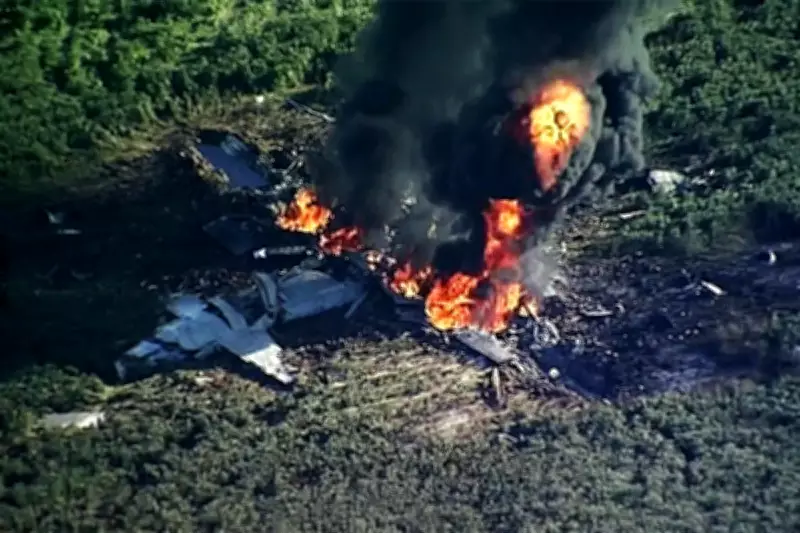
The failure caused the blade to slam into the aircraft's body. This impact created a shockwave that tore the plane apart mid-air. The wreckage then plummeted into soybean fields near Itta Bena, Mississippi.
The crash resulted in the deaths of fifteen Marines and one Navy corpsman. It stands as the deadliest Marine Corps air disaster since a 2005 helicopter crash in Iraq.
Indictment and Defense Arguments
A federal grand jury in Mississippi indicted Fisher in 2024, after his retirement. The indictment accused him of lying to federal agents during a 2021 investigation. Prosecutors alleged he misled agents about changes to inspection procedures, suggesting a cover-up to shift blame onto maintenance technicians.
Defense lawyer Steve Farese presented a counter-narrative. He argued that another individual authorized the changes to propeller inspection protocols while Fisher was in Brazil. Therefore, Fisher did not lie when he told investigators no documents permitting such maintenance changes had been signed in 2011.
Farese further contended that the propeller in question was serviced days before the relevant form was signed. He maintained the document played no role in the tragic crash.
"Nobody did it intentionally," Farese stated in a phone interview with The Associated Press. "As one witness said, there were 10 different ways for that blade to have through inspection and be missed or put back in the system accidentally. There were 10 different ways it could have happened. So there was no clarity in the trial as to exactly what did happen."Broader Context and Aftermath
The indictment had alleged that engineers at the Georgia base approved approximately 30 changes to propeller inspection procedures between 2008 and 2017. Prosecutors claimed Fisher initially failed to produce related documents, leading investigators to conclude "they could no longer trust Fisher."
The aircraft was based at Stewart Air National Guard Base in Newburgh, New York. It was transporting Marine special operations forces from North Carolina to Arizona for training exercises.
In the wake of the crash, the Marine Corps, Navy, and Air Force temporarily grounded portions of their C-130 fleets. This action included comprehensive examinations and replacements of propeller blades across the affected aircraft.
The debris field from the crash spread across two to three miles of farmland near the Mississippi Delta. Families gathered at the site a year later to dedicate a memorial to Yanky 72, the plane's call sign, honoring those lost.