Imran Khan's 100-Day Legal Blackout Sparks International Concern
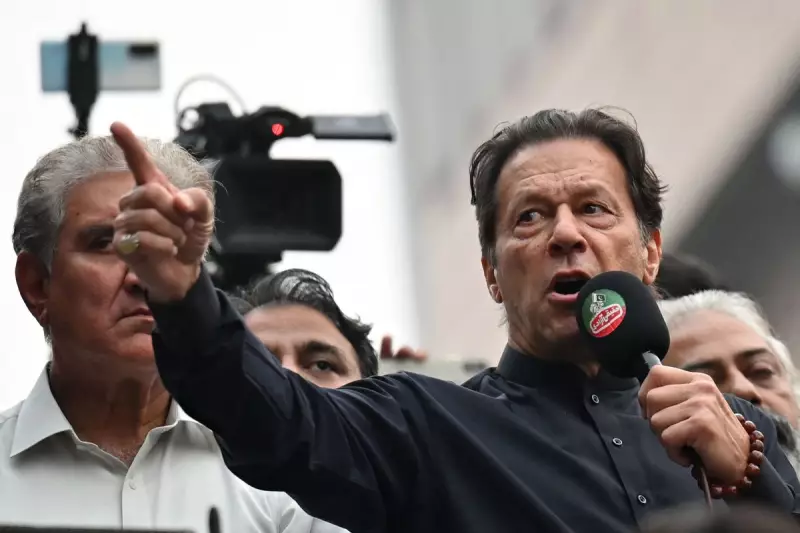
Pakistan's jailed former prime minister, Imran Khan, has reportedly spent over 100 consecutive days without any contact with his legal representatives, raising profound new concerns about due process and human rights in the politically charged environment. According to a spokesperson from his Pakistan Tehreek-e-Insaf (PTI) party, Khan is being held in solitary confinement and has not received visitors of any description for nearly three months, creating what his allies describe as a legal and communicative vacuum.
Extended Isolation and Mounting Legal Battles
The former cricket star turned politician, who was ousted from power in 2022, faces an overwhelming array of legal challenges, with more than 100 separate charges filed against him. Recently, Khan was sentenced to an additional 17 years in prison in a high-profile corruption case, further complicating his already precarious situation. His political party maintains a steadfast position that all cases are politically motivated and designed to sideline him from Pakistan's turbulent political landscape.
Khan's legal team and PTI officials argue that denying access to legal counsel for such an extended period unequivocally meets the threshold of arbitrary detention under established international law. This prolonged deprivation of basic legal rights has ignited debates about judicial independence and the treatment of political prisoners in the region.

Family Reports of Psychological Strain
Adding to the growing unease, Khan's sister, Uzma Khan, who last visited him on 2 December, provided a troubling personal account of his condition. She reported that her brother is struggling mentally with what she described as the psychological "torture" of solitary confinement. These allegations of severe mental distress highlight the human cost of such isolation practices, even as Pakistani authorities consistently deny any form of mistreatment or improper conduct.
The situation has effectively sealed off avenues for external verification of Khan's wellbeing, with Islamabad witnessing heightened security and the arrest of thousands of PTI supporters in recent demonstrations. This combination of legal isolation, familial concern, and political crackdown paints a complex picture of a nation grappling with deep-seated political divisions and questions over fundamental freedoms.