Intelligence Chiefs Face Congress Over Iran War Justification After Adviser's Resignation
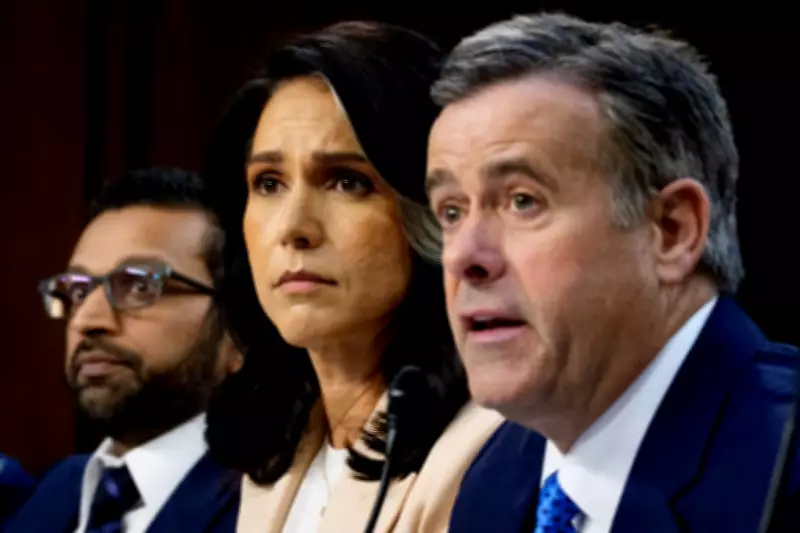
In a high-stakes congressional hearing, Director of National Intelligence Tulsi Gabbard and other senior intelligence officials testified before the Senate Intelligence Committee on Wednesday morning. Lawmakers rigorously questioned them about the intelligence that underpinned the recent US and Israeli attacks on Iran. This session occurred less than twenty-four hours after Joe Kent, the outgoing director of the National Counterterrorism Center, resigned from his position, citing President Donald Trump's decision to engage in war with Iran.
Resignation and Accusations Precede Testimony
In a scathing resignation letter, Kent, a longtime ally of President Trump, accused the administration of initiating conflict with Iran under significant pressure from Israel. He asserted that Iran did not pose an immediate or imminent threat to the United States, directly contradicting the administration's narrative. This dramatic departure set a contentious backdrop for the hearing, highlighting internal dissent within the intelligence community.
Conflicting Intelligence Assessments
Administration officials have consistently maintained that Iran was on the brink of developing a nuclear weapon, necessitating preemptive military action. However, this stance is at odds with an annual intelligence report from 2025, which concluded that Iran "is not building a nuclear weapon." This discrepancy raised critical questions about the validity and interpretation of intelligence data presented to justify the war.
Key Officials Present at the Hearing
Director of National Intelligence Tulsi Gabbard led the testimony, accompanied by a panel of top intelligence leaders:
- FBI Director Kash Patel
- CIA Director John Ratcliffe
- Defense Intelligence Agency Director James Adams III
- Acting Director of the National Security Agency William Hartman
The hearing commenced at 10 a.m. Eastern Time, with lawmakers expected to delve deeply into the sources, analysis, and conclusions that informed the decision to launch attacks. The presence of such high-profile figures underscored the gravity of the inquiry and its implications for national security policy.
Broader Implications and Ongoing Coverage
This testimony marks a pivotal moment in assessing the transparency and accountability of intelligence operations during the Trump administration. The resignation of Joe Kent, coupled with the conflicting reports on Iran's nuclear capabilities, suggests significant internal debates over threat assessments and foreign policy direction. As the hearing progresses, further revelations may emerge regarding the influence of allied nations, such as Israel, on US military actions.
The Senate Intelligence Committee's scrutiny is likely to impact future intelligence-sharing protocols and decision-making processes in international conflicts. Observers and analysts will closely monitor developments, as the outcomes could shape legislative oversight and public trust in intelligence agencies moving forward.