Iran's Women's Football Team Returns Home After Asylum Seeks in Australia
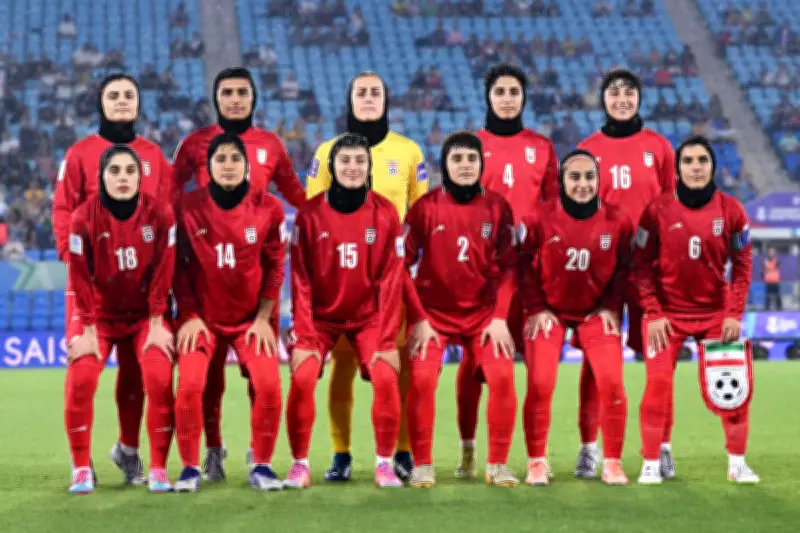
Iranian media reported on Wednesday, 18 March 2026, that the national women's soccer team has returned to the Islamic Republic after several players sought asylum in Australia. The team's arrival follows a period of international attention and controversy surrounding their participation in the Women's Asian Cup.
Details of the Return and Asylum Seeks
According to reports, outlets shared footage showing the players entering Iran after landing in Turkey and taking a bus to the border, where they were greeted by officials. However, not all members chose to return. Two Iranian female players, Fatemeh Pasandideh and Atefeh Ramezanisadeh, decided to remain in Australia and have been training with the Brisbane Roar club. Others who initially sought asylum after the team was eliminated from the tournament later changed their minds and opted to go back to Iran.
Background and Global Attention
The squad arrived in Australia for the Women's Asian Cup shortly before the Iran war began on 28 February 2026. The team initially gained global attention when some players stayed silent during Iran's national anthem before their first game. This silence was interpreted by some commentators as an act of resistance or protest, while others saw it as a show of mourning. The players did not publicly disclose their views or explain their actions, and they sang the anthem in their subsequent two matches.

Safety Concerns and Political Reactions
After the team was knocked out of the tournament and faced returning to a country under bombardment, calls grew for Australia's government to offer the women asylum. Iranian groups in Australia and U.S. President Donald Trump were among those who expressed fears for the women's safety. In response, Iranian first Vice President Mohammad Reza Aref last week dismissed suggestions that the women would be unsafe upon return, stating that the country "welcomes its children with open arms and the government guarantees their security."
The situation highlights ongoing tensions and the complex interplay between sports, politics, and human rights in Iran.