Former US National Security Adviser John Bolton has made a startling claim that Iran could have obtained a nuclear weapon from North Korea just three days before Donald Trump launched military strikes against the Iranian regime. According to Bolton, a simple wire transfer to the Central Bank of North Korea would have been sufficient for Tehran to secure the deadly weapons.
Rapid Nuclear Acquisition Threat
Bolton, who served as an attorney and adviser during Trump's first term, detailed how the authoritarian regime could have "put a nuclear device on an aeroplane, route it through Russia" and delivered it to Iran—all within a 72-hour window following the initial request. This revelation underscores what Bolton describes as a dangerously underestimated relationship between Iran and North Korea.
Geopolitical Alliances and Threats
In an interview with The Sun, Bolton emphasized the strategic cooperation between these nations, stating: "Let's face it, in the China-Russia axis that's forming right now, Iran and North Korea are two outriders, and so the cooperation between them is very threatening." He argued that Iran's longstanding desire for nuclear capabilities, potentially fulfilled through such alliances, provides ample justification for pursuing regime change in Tehran.
Bolton suggested that any replacement government, whether military or democratic, would represent a significant improvement over the current "theocratic extremists and militarists that want nuclear weapons." This perspective comes amid ongoing tensions, with the US's Operation Epic Fury having previously disrupted Iran's nuclear ambitions, though Bolton warns the regime is rapidly rebuilding its capabilities.
Leadership Transition and Regional Tensions
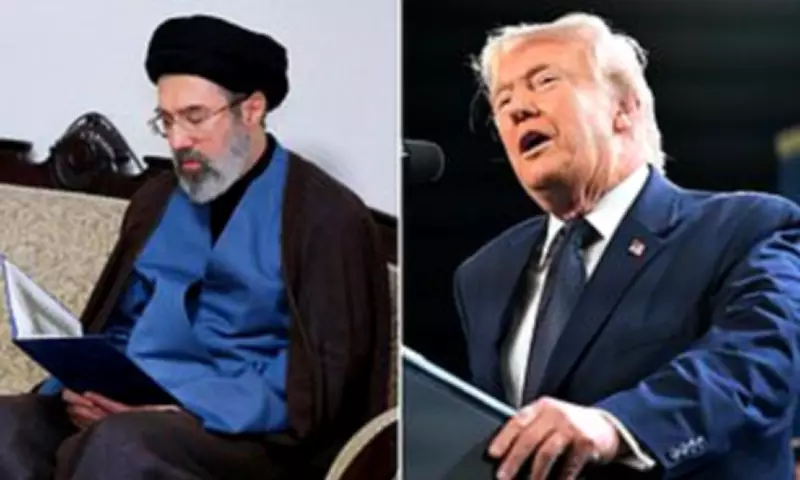
The attorney's comments coincide with Mojtaba Khamenei's recent ascension as Iran's new Supreme Leader, following the killing of his father, Ayatollah Ali Khamenei. Many Iranians have protested this appointment, chanting "death to Mojtaba" from their homes, while international observers, including a UK Foreign Office minister, predict no substantive policy shifts under the new leadership.
Donald Trump has echoed these concerns, stating that Mojtaba's appointment will lead to "more of the same" and threatening further strikes if Iran continues to disrupt oil shipments through the Strait of Hormuz. In response, Iran has warned Trump to "be careful not to be eliminated," with security chief Ali Larijani dismissing US threats as empty.
Military Escalations and Strategic Waterways
Recent military actions have intensified, with US forces destroying 16 Iranian minelaying vessels near the Strait of Hormuz—a critical passage for global oil exports. The White House has warned of unprecedented retaliation if Iran mines the strait, while Trump has affirmed his willingness to use military force to keep it open.
Additionally, Iran's Revolutionary Guards have launched missiles at US bases in Abu Dhabi and Bahrain, prompting sirens in Dubai and Tel Aviv. These developments highlight the volatile situation, as oil prices stabilize after weekend surges and US officials, including Defense Secretary Pete Hegseth, warn of continued strikes.
Bolton's revelations about the potential nuclear transaction between Iran and North Korea add a new dimension to these conflicts, emphasizing the urgent threats posed by international alliances and the persistent nuclear aspirations of adversarial regimes.