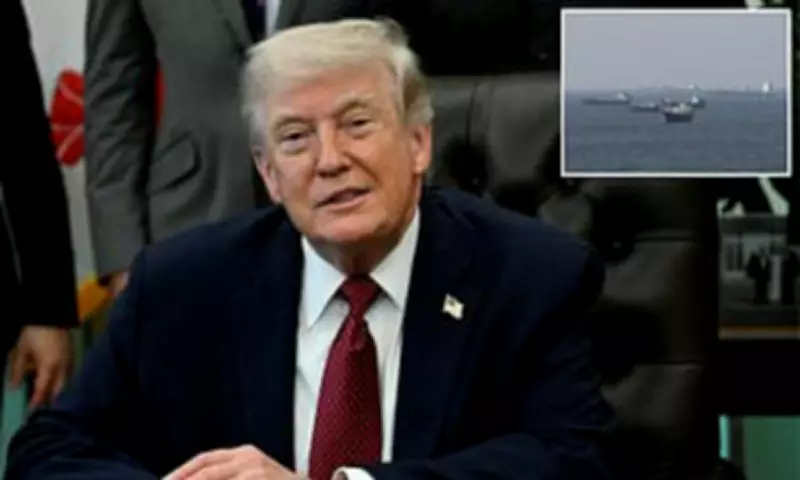
Iranian Gunboats Attack Commercial Ships in Strait of Hormuz
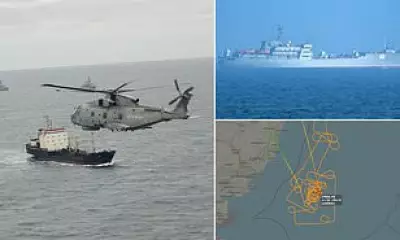
Iranian Revolutionary Guard Corps gunboats opened fire on cargo ships in the Strait of Hormuz yesterday, dramatically escalating tensions after Tehran abruptly tightened its chokehold on the critical global waterway. The attacks occurred shortly after the Iranian regime reversed a prior decision to reopen the strait, citing an American statement that the United States would not end its blockade of Iranian ports.
Multiple Vessels Targeted in Unprovoked Attacks
According to the United Kingdom Maritime Trade Operations security authority, troops aboard two Islamic Revolutionary Guard Corps gunboats fired on merchant vessels north of Oman without any warning. Two Indian vessels—a supertanker carrying two million barrels of Iraqi oil and a container ship—reported being struck by gunfire as they attempted to transit the strait. While no injuries were reported, Indian diplomats expressed deep concerns about the incident directly to Iran's ambassador.
A United States security official later confirmed that the IRGC had also attacked a third commercial ship within the channel. In a separate incident just three miles off the Oman coast, the master of a cruise ship reported sighting a splash close to the passenger vessel, raising further alarm about maritime safety in the region.

Trump Warns Against Iranian Blackmail Attempts
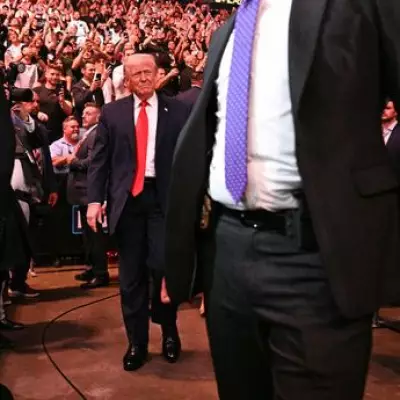
United States President Donald Trump issued a stern warning to Iran against attempting to blackmail the US by closing the strategic strait. At a press conference, President Trump insisted that American officials were having very good conversations with Tehran, but emphasized that Iran's actions would not succeed in coercing Washington.
We're talking to them. They wanted to close up the strait again as they've been doing for years, they can't blackmail us, President Trump declared. It's working out very well. They got a little cute as they have been doing for 47 years, he added, vowing to maintain a tough stand against Iranian leadership.
Broader Geopolitical Context and Regional Fallout
The conflict over the Strait of Hormuz threatens to deepen the ongoing global energy crisis, coming just as oil prices had begun to decline on Friday amid hopes that the United States and Iran were nearing an agreement. Before Tehran reimposed the closure, a convoy of eight tankers successfully transited the strait, highlighting the volatile nature of the situation.
United States Central Command reported that American forces have directed twenty-three ships to return to port since the start of the blockade. Furthermore, The Wall Street Journal indicated that US forces are preparing to board Iran-linked vessels in the coming days, signaling potential further escalation.
Iran had initially agreed to reopen the strait following a ten-day truce announced between Israel and the Iranian-backed Hezbollah militant group in Lebanon. However, Tehran later declared that the ongoing US blockade of its ports violated last week's agreement, prompting the reversal.
International Diplomatic Responses
United Kingdom Foreign Secretary Yvette Cooper, speaking at a diplomatic forum in Turkey, urgently called on Tehran to allow global shipping to resume unimpeded. We need the Strait of Hormuz open... because this helps all of our economies right across the world, she emphasized, underscoring the strait's vital importance to international trade.
Meanwhile, Iranian state media reported that the country's national security council is considering new proposals from the United States, suggesting that diplomatic channels remain active despite the hostilities.
Regional Ceasefire Under Pressure
The ceasefire in Lebanon that commenced on Friday faced significant pressure yesterday after a French paratrooper was killed and three colleagues were wounded when a United Nations peacekeeping patrol came under small arms fire in southern Lebanon. French President Emmanuel Macron stated that everything points to Hezbollah being responsible, though the militant group has denied any involvement in the attack.

On social media, Iran's new Supreme Leader Mojtaba Khamenei declared that the Iranian navy stands ready to inflict new bitter defeats on its enemies, further inflaming regional tensions. This rhetoric came only hours after President Trump affirmed that the American blockade will remain in full force until Tehran reaches a comprehensive deal with the United States, including on its contentious nuclear programme.