Iran Retaliates with Cluster Warhead Missile Strikes on Tel Aviv
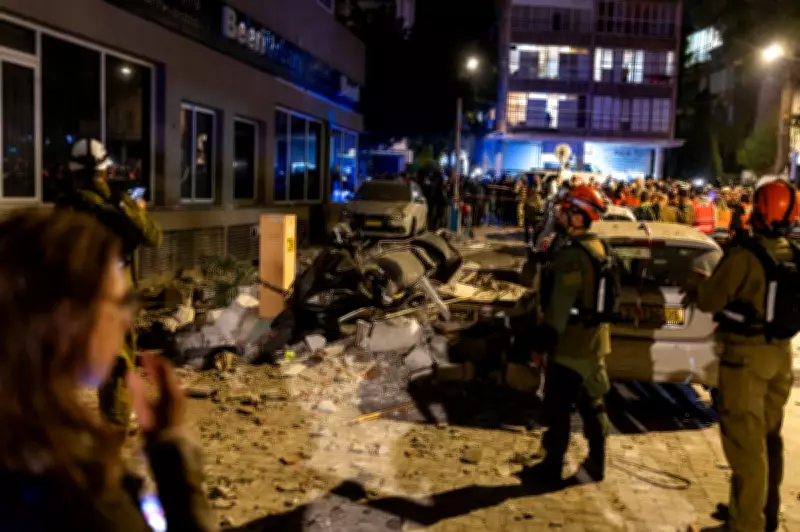
Iran has launched cluster warhead missile attacks on Tel Aviv, resulting in the deaths of two individuals. This aggressive move comes as direct retaliation for Israel's assassination of Iran's security chief, Ali Larijani, whose death was confirmed alongside his son and deputy. The strikes mark a significant escalation in the ongoing conflict between the two nations.
Background of Escalating Tensions
These Iranian attacks follow over two weeks of intensive US-Israeli strikes on Iran, which targeted and killed its supreme leader and other top officials. The stated aim of these strikes was to prevent nuclear weapons development by Iran. In response, Iran's new supreme leader, Mojtaba Khamenei, has firmly rejected all proposals for de-escalation or a ceasefire. He insists on continuing the conflict until the United States and Israel are defeated, highlighting a deepening geopolitical rift.
Regional and Global Implications
Israel has intensified its campaign against Iran-backed Hezbollah with widespread airstrikes across Lebanon, including the capital Beirut. These actions have resulted in at least 20 fatalities, further entangling Lebanon in the conflict and raising concerns about regional stability. Concurrently, the US military targeted Iran's coastline near the Strait of Hormuz due to threats to international shipping. This has contributed to soaring oil prices and heightened global inflation concerns, impacting economies worldwide.

US President Trump has criticised allies for what he perceives as insufficient military aid, adding another layer of complexity to the international response. The situation underscores the volatile nature of Middle Eastern politics and its far-reaching effects on global security and economic markets.