Iran Dismisses Temporary Ceasefire Offer for Strait of Hormuz Access
A senior Iranian official has firmly rejected a call for a temporary ceasefire in exchange for reopening the strategically vital Strait of Hormuz. This statement came on Monday, following Tehran's review of a new peace proposal delivered by mediator Pakistan. The unnamed official, speaking to Reuters, emphasised that Iran's leadership is examining a plan for an immediate pause in hostilities, forwarded ahead of Donald Trump's Tuesday deadline for strikes on Iranian energy infrastructure.
Trump's Deadline Extension and Escalating Rhetoric
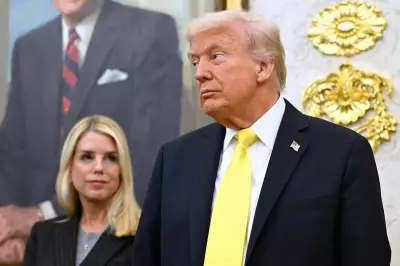
The US president appears to have extended his previously stated deadline for military action against Iran's energy infrastructure to Tuesday evening at 8pm ET (1am Wednesday BST). This follows an extraordinary outburst on Truth Social, where Trump demanded Iran "open the F***in' Strait" or face "living in hell," while simultaneously insisting negotiations with Tehran were ongoing. His initial 10-day ultimatum was set to expire on Monday.
Iran remains sceptical of Washington's intentions, with the official noting Tehran does not believe the US is prepared for a permanent ceasefire. The source added that Iran will not accept being pressured by deadlines to make a decision, underscoring a tense diplomatic standoff.

The 'Islamabad Accord' Peace Framework
A source close to the diplomatic efforts revealed that both Iran and the US have received a 'two-tier proposal' to end the conflict. This framework, reportedly assembled by Pakistan and exchanged overnight, includes an immediate ceasefire and a more permanent plan to halt hostilities. "All elements need to be agreed today," the source stated, indicating urgency.
The initial understanding would be structured as a memorandum of understanding finalised through Pakistan, which serves as the sole communication channel in these talks. The proposal outlines:
- An immediate ceasefire and the reopening of the Strait of Hormuz.
- A 15–20 day window to finalise a broader settlement.
- Final in-person negotiations in Islamabad, dubbing the potential deal the "Islamabad Accord."
Pakistan's army chief, Field Marshal Asim Munir, is said to have held separate calls "all night long" with US officials, including JD Vance and special envoy Steve Witkoff, as well as Iran's foreign minister Abbas Araghchi.
Terms for a Broader Agreement and International Concerns
The proposed final agreement reportedly includes Iran forgoing nuclear weapons development, receiving relief from sanctions, and the release of frozen assets. US, Iranian, and regional sources familiar with the talks told Axios that discussions via mediators are focusing on terms for a 45-day ceasefire that could pave the way for a more lasting solution.
Trump commented to Axios that the US is in "deep negotiations" with Iran, suggesting a "good chance" of success, but warned, "If they don't make a deal, I am blowing up everything over there."
Amnesty International has raised serious concerns about potential war crimes, warning last month that intentionally attacking civilian infrastructure like power plants could violate international humanitarian law. Erika Guevara-Rosas, Amnesty International’s Senior Director of Research, Advocacy, Policy and Campaigns, stated that such attacks, even if targeting military assets, may cause disproportionate harm to civilians and thus be unlawful.
Iran has issued its own stark warning, cautioning of 'hell' across the region if US and Israeli escalation continues, highlighting the high stakes in this volatile geopolitical confrontation.