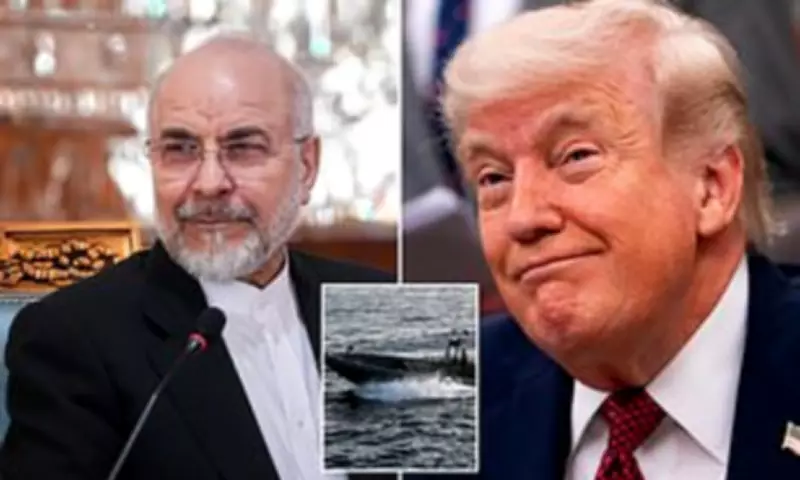
Iran Issues Stark Warning Amid Escalating Tensions with United States
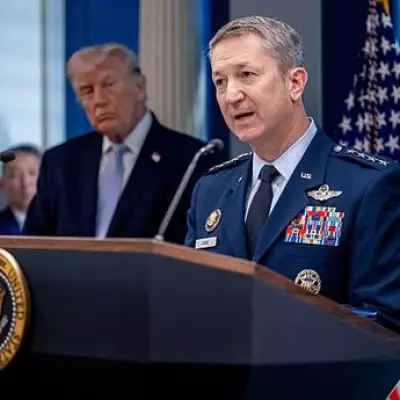
Iranian parliamentary speaker Mohammad Bagher Ghalibaf has issued a defiant warning that Tehran stands prepared to reveal "new cards on the battlefield" as tensions escalate with the United States. This declaration comes amid an expanded American naval blockade of the strategic Strait of Hormuz and with a fragile two-week ceasefire agreement rapidly approaching its expiration deadline.
Naval Blockade Creates Negotiation Impasse
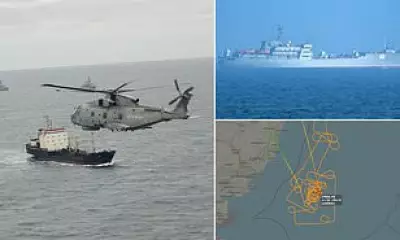
The United States Navy significantly expanded its maritime enforcement operations on Thursday, announcing that cargo vessels suspected of transporting contraband—including weapons and ammunition—would face intensified scrutiny. American authorities explicitly stated that any ships believed to be attempting to reach Iranian territorial waters would be "subject to belligerent right to visit and search."
Ghalibaf responded forcefully on social media platform X, asserting that "Trump, by imposing a siege and violating the ceasefire, seeks to turn this negotiation - in his own imagination - into a table of surrender or justify renewed warmongering." The Iranian speaker made clear that Tehran "does not accept negotiations under the shadow of threat" and revealed that Iranian officials have spent the past fortnight preparing their strategic response.

Diplomatic Maneuvering Amid Deep Distrust
The diplomatic landscape remains complex and uncertain. Reports indicate that American Vice President JD Vance was scheduled to travel to Pakistan on Tuesday for discussions about potentially extending the ceasefire before its Wednesday expiration. According to The New York Times, Iranian officials suggested a delegation might still travel to Islamabad for negotiations, with Ghalibaf potentially leading Tehran's representation.
However, Iranian government representatives have publicly refused to confirm participation in proposed peace talks. When questioned about American diplomatic movements, foreign ministry spokesman Esmail Baghaei offered only the terse response that such plans were "their own business."
Historical Precedents Fuel Iranian Skepticism
Iranian officials expressed profound skepticism about American intentions, citing historical precedents that undermine trust. President Masoud Pezeshkian emphasised that for "reason" to prevail in negotiations, Tehran requires stronger indications that Washington would honour any agreement. Officials in Tehran pointedly noted that President Trump previously withdrew the United States from the Joint Comprehensive Plan of Action (JCPOA) nuclear agreement and twice joined Israeli military actions against Iran.
Regional analyst Mohammad Ali Shabani, editor of Amwajmedia.com, observed that "the Iranians really do want a deal, but Trump is just too crude - he just wants total victory in public." Shabani added that Iranian leadership believes "time is on their side," calculating they can withstand economic pressure from the Strait of Hormuz blockade longer than the Trump administration can maintain its coercive stance.
Internal and External Pressures Complicate Negotiations
Hamidreza Azizi, an Iran security expert at the German Institute for International and Security Affairs, highlighted the complex pressures facing Iranian negotiators. "They have a core support base of the Islamic Republic, which is very hardline and ideological and is very sensitive to any sign of concession," Azizi explained. "The other pressure, of course, is Donald Trump and his apparent willingness to stick to his coercive diplomatic strategy."
Former Iranian government official Sasan Karimi revealed additional concerns, noting that some officials fear they "could come under attack even amid peace talks, or that Trump could return to a full-fledged war." Karimi described the anxiety that "negotiators do not even know whether they could be attacked or not when they are in the air" and emphasised Iranian resistance to "pressurized negotiations, whether that is by limiting the time or by setting preconditions."

Trump's Social Media Diplomacy and Demands
President Trump engaged in extensive social media commentary, declaring on Truth Social that any agreement with Iran would be "FAR BETTER" than the JCPOA negotiated by previous administrations. He asserted that without his withdrawal from that agreement, "Nuclear Weapons would have been used on Israel, and all over the Middle East."
The president made his core demand explicit: "Get rid of their nuclear weapons. That's all very simple. There will be no nuclear weapon." He simultaneously claimed to be "winning a War, BY A LOT" and insisted his administration was under "no pressure whatsoever" to reach an agreement, despite the looming ceasefire deadline.
Iranian Media Outlines Fundamental Obstacles
Iran's state-run Tasnim news agency reported that the naval blockade represents "a very fundamental obstacle in negotiations," noting that Pakistani mediators had raised the issue with American officials. The regime also objects to unspecified additional demands communicated through diplomatic channels.
Tasnim further reported that Tehran "has no intention to participate in American theatre" until significant obstacles are removed and "a clear horizon for reaching an agreement acceptable to Iran takes shape." The news agency quoted Iranian officials believing that "as long as America does not look at the issue realistically and approaches the negotiating table with the same wrong calculations that led to its heavy battlefield defeat, negotiations are just a waste of time."
Meanwhile, separate peace talks between Israel and Lebanon are scheduled to resume in Washington on Thursday, though Lebanese officials have emphasised these should be considered distinct from any negotiations involving Iran.