Iran Presents Counter-Demands to Trump's Middle East Peace Proposal
Iran has formally responded to Donald Trump's 15-point peace plan with a comprehensive list of its own requirements, fundamentally challenging Washington's approach to resolving the ongoing Middle East crisis. The Iranian demands include the closure of all American military bases in the Gulf region and the establishment of a new toll system for shipping through the strategically vital Strait of Hormuz.
Washington's Peace Initiative and Tehran's High Bar
The Trump administration delivered its peace proposal to Tehran through Pakistani intermediaries, modeling the approach on previous Gaza conflict resolution frameworks. This diplomatic move underscores the White House's urgent desire to find an exit strategy from the escalating regional conflict, particularly as economic consequences continue to mount globally.
Iranian officials have publicly denied that any formal peace process is underway, despite Trump's claims that Tehran desperately wants a deal. Behind the scenes, however, Iranian authorities have communicated stringent conditions for considering any ceasefire agreement. These conditions extend beyond base closures to include substantial reparations for attacks on Iranian territory and infrastructure.

Strait of Hormuz: Economic Chokepoint and Bargaining Chip
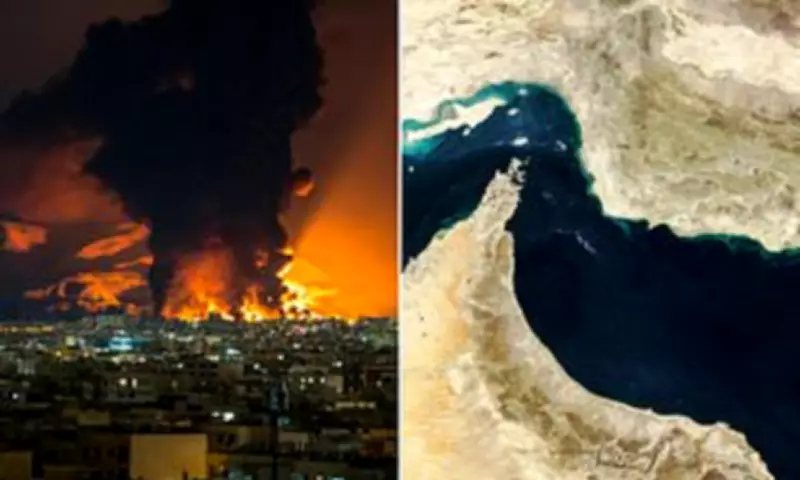
The ongoing disruption to shipping through the Strait of Hormuz has created severe consequences for global energy markets and trade networks. This critical maritime passage typically handles approximately one-fifth of the world's gas and crude oil supplies. The current shutdown has propelled Brent crude prices to their highest levels in nearly four years, with prices briefly approaching $120 per barrel.
According to reports from the Wall Street Journal, Iran's demands include establishing a new regulatory framework for the Strait of Hormuz that would permit Tehran to collect transit fees from vessels using the Persian Gulf channel. This arrangement would mirror Egypt's current management of the Suez Canal, providing Iran with both economic benefits and strategic control over this crucial waterway.
Comprehensive Iranian Requirements and American Dismissal
Iran's complete list of demands extends beyond maritime and military concerns to include several political and security guarantees. The regime insists on assurances that hostilities would not resume following any agreement and demands an immediate cessation of Israeli attacks against Hezbollah, the Iran-backed Lebanese militia.
Additional Iranian requirements include the complete lifting of all international sanctions against the country and preservation of Iran's missile development program without any limitations or negotiations regarding its scope or capabilities. A senior American official, speaking anonymously to the Wall Street Journal, characterized these demands as "ridiculous and unrealistic," highlighting the significant gap between the two sides' positions.
Washington's Nuclear-Focused Demands
The American peace proposal, as reported by Israel's Channel 12, centers primarily on nuclear non-proliferation objectives. The 15-point plan requires Iran to permanently decommission and destroy nuclear facilities at Natanz, Isfahan, and Fordow. It further mandates comprehensive transparency and oversight by the International Atomic Energy Agency regarding all nuclear activities within Iranian territory.
Washington's proposal insists that Iran dismantle its existing nuclear capabilities, commit to never pursuing nuclear weapons, transfer all enriched material to IAEA control, and cease all uranium enrichment activities on Iranian soil. The plan also requires Tehran to abandon its use of armed proxy forces throughout the region and terminate all funding and weapons transfers to regional allies.
Proposed Compromises and Continuing Hostilities
In exchange for these substantial concessions, the American proposal offers several incentives to Tehran. These include American technical assistance for developing a civilian nuclear power project at Bushehr for electricity generation, complete abolition of all sanctions against Iran, and elimination of the threat of future sanctions reinstatement.

Despite these diplomatic exchanges, military confrontations continue unabated. Israel and the United States have conducted extensive bombing campaigns targeting Iran's ballistic missile systems, launch facilities, production capabilities, and nuclear infrastructure since February 28. Simultaneously, Israeli strikes in Lebanon have resulted in multiple casualties, including attacks on refugee camps and residential areas.
Global Economic Implications and Energy Market Disruption
The conflict's economic ramifications extend far beyond the Middle East, with global energy markets experiencing significant turbulence. Shell's chief executive has warned that Europe could face fuel shortages as early as next month if the Strait of Hormuz remains closed. The current oil and gas supply constraints have already forced some Asian nations to implement energy consumption reductions, creating ripple effects that threaten to spread westward.
Larry Fink, chief executive of BlackRock, has projected potentially severe economic consequences, suggesting the world faces a "stark and steep recession" if oil prices remain elevated. Fink outlined two possible scenarios: if the conflict concludes rapidly, oil prices could return to approximately $70 per barrel; however, if hostilities persist or Iran maintains its threatening posture toward regional trade routes, prices could remain between $100 and $150 per barrel for years, with profound implications for the global economy.
Market indicators currently reflect skepticism about any imminent resolution, with oil prices hovering around $100 per barrel as traders doubt the conflict will conclude soon. The diplomatic posturing from both Washington and Tehran suggests that reaching a comprehensive agreement will prove challenging, potentially prolonging both the military confrontation and its economic consequences.