Iran's Strait of Hormuz Blockade: A Critical Gambit in Global Geopolitics
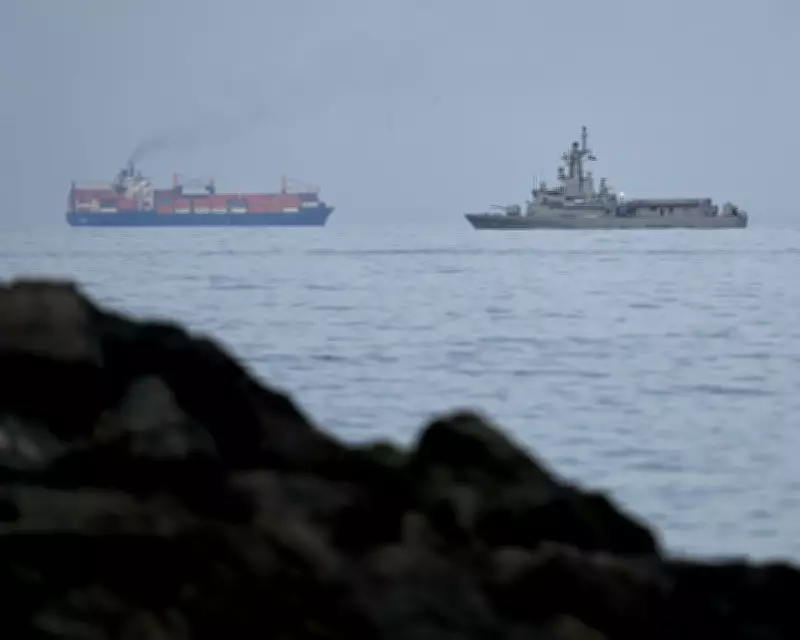
A United Arab Emirates navy vessel and a cargo ship were observed navigating the strategic waters of the Strait of Hormuz from Khor Fakkan, UAE, on Wednesday, 11 March. This scene underscores the heightened military activity in a region now at the centre of a severe international crisis. Iran's decision to blockade the strait represents its most potent strategic move against pressures from the United States and Israel, and it is unlikely to retreat without significant concessions.
Economic Shockwaves and Military Stalemate
Following attacks by the US and Israel on Iranian targets, Iran has initiated assaults on shipping in the Strait of Hormuz, effectively obstructing approximately 20% of the world's oil supplies. This disruption has triggered a substantial surge in global oil prices, imposing massive costs on the international economy. The Iranian government aims to leverage this economic pressure to compel the US to withdraw, thereby re-establishing deterrence after its previous strategy of using ballistic missiles to prevent direct aggression failed.
Militarily, while the United States possesses the capability to significantly degrade Iran's capacity to strike vessels in the strait, completely eliminating the threat remains improbable. Consequently, reopening this vital maritime corridor is not solely a matter of military prowess but hinges critically on diplomatic negotiations. Understanding the objectives of each party involved is essential to any potential resolution.

Divergent Objectives Among Key Players
For Iran, the primary goal is to restore deterrence by inflicting such severe economic damage that further attacks become unthinkable. However, internal dynamics complicate this aim. Elements within the Islamic Revolutionary Guard Corps seek vengeance and may continue targeting Americans and shipping independently, even if the Iranian government pursues de-escalation, due to decentralised command structures.
In contrast, the United States has articulated limited military objectives, focusing on destroying Iranian military-industrial sites and strike capabilities, as stated by General Dan Caine, chair of the joint chiefs. Yet, broader political ambitions, influenced by former President Donald Trump, include aspirations ranging from coercive control over Iran's leadership to regime change. Trump's desire for a perceived victory clashes with Iran's need to assert deterrence, creating a significant impediment to compromise.
Complications from Israel and Russia
Israel's objectives further muddy the waters. It aims for the collapse of the Iranian regime or its descent into internal strife, extending the timeline before Iran can pose a threat. While Israel might accept an end to hostilities if the US disengages, it is likely to conduct strikes that hinder negotiations, aiming to degrade Iran's revenues and control mechanisms.
Russia emerges as another complicating factor. Having assessed that crises like the Hormuz blockade could benefit its war effort in Ukraine by diverting global attention and resources, Russia has incentives to prolong the conflict. It reaps substantial revenues from elevated oil prices, provided it avoids direct involvement.
Regional and European Concerns
Gulf states and Europe strongly desire a swift resolution to the crisis. Prolonged instability risks permanent damage to economic infrastructure in the Gulf and could precipitate an energy crisis, draining revenues Europe needs to bolster its defences. However, as long as Iran retains the ability to threaten shipping in the strait, negotiations will remain fraught with difficulty.
The US may attempt to deter Iran through broader strikes, hoping to pressure the IRGC into backing down. Yet, by making the stakes existential for the Iranian government, compelling a compromise becomes exceedingly challenging. A rapid resolution to this crisis appears unlikely, with global ramifications extending from economic turmoil to heightened geopolitical tensions.
Dr Jack Watling, senior research fellow for land warfare at the Royal United Services Institute in London, provides expert analysis on this unfolding situation, highlighting the intricate web of military, economic, and diplomatic factors at play.