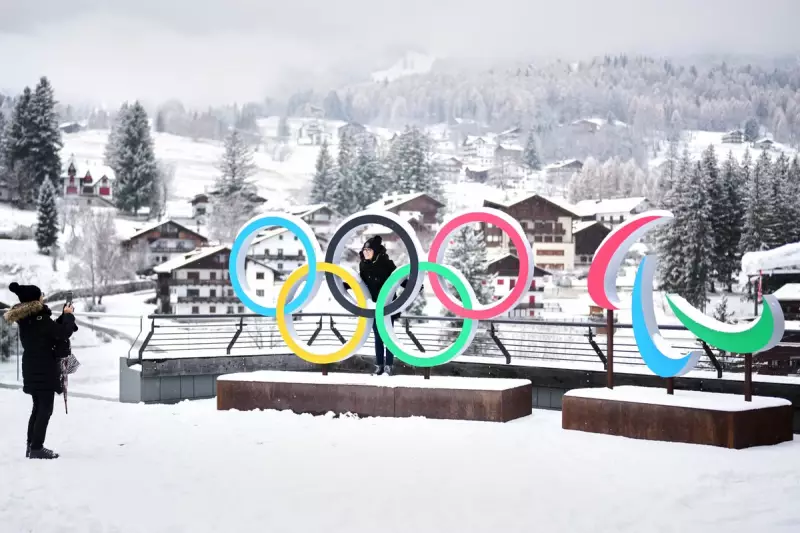
The Mayor of Milan, Giuseppe Sala, has issued a firm declaration that US Immigration and Customs Enforcement (ICE) agents are "not welcome" at the upcoming Winter Olympics in Italy, as a significant backlash builds against the American security deployment. This statement comes amid growing outrage across Italy, fuelled by recent fatal shootings involving ICE agents in Minneapolis and threats made to Italian journalists, which have heightened public concern.
Political and Public Pressure Mounts in Italy
Thousands of Italians have actively signed petitions demanding that ICE agents be barred from participating in the Winter Olympics security operations. Politicians from various political parties are urging Prime Minister Giorgia Meloni to take decisive action to prevent their attendance, citing safety and ethical considerations. The controversy has sparked a heated debate in Italian media and political circles, with many questioning the appropriateness of involving US immigration enforcement in an international sporting event.
US Confirms Security Role Amid Italian Concerns
Despite initial denials from some regional leaders and raised safety concerns by Italian officials, US authorities have confirmed that a branch of ICE's Homeland Security Investigations (HSI) will support diplomatic security at the Games. ICE has clarified that its agents will not conduct immigration enforcement operations in Italy, instead focusing on "vetting and mitigating risks" from transnational criminal organisations. All security operations will remain under Italian authority, according to official statements.

Background of Tensions and Protests
The decision to deploy ICE agents has been met with protests, including gatherings outside a Minnesota hotel following the removal of a key figure from their role. This adds to the existing tensions, as Italians express distrust over the involvement of an agency associated with controversial incidents in the US. The situation highlights broader diplomatic and security challenges as nations collaborate on large-scale international events.
As the Winter Olympics approach, the dispute underscores the complexities of international security cooperation and the sensitive nature of cross-border law enforcement roles in global sports gatherings.