Kabul Hospital Airstrike: Rescue Efforts Continue Amid Escalating Conflict
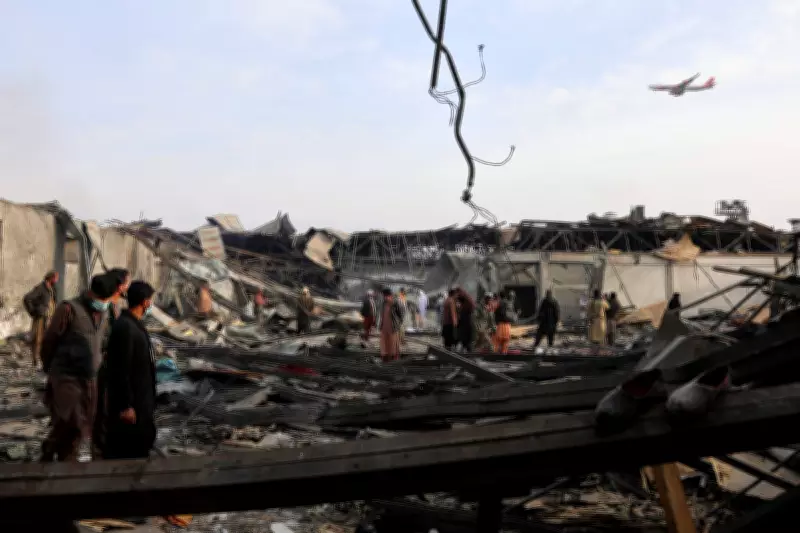
Rescue crews are still laboriously digging bodies out of the rubble of a major drug rehabilitation hospital in the Afghan capital of Kabul on Tuesday morning. This follows official Afghan statements that an overnight Pakistani airstrike has killed at least 400 people at the civilian medical facility, marking a severe escalation in the ongoing border conflict.
Afghan Officials Detail the Attack
In a late-night social media post, Afghanistan’s deputy government spokesperson, Hamdullah Fitrat, stated that the airstrike targeted the Omid Addiction Treatment Hospital, a substantial 2,000-bed facility, at approximately 9 p.m. local time on Monday. He reported that large sections of the hospital were destroyed, with the death toll "so far" reaching 400 people and around 250 individuals injured. No updated official casualty figures were available early Tuesday.
Local television broadcasts showed security forces using flashlights to carry casualties from the ruins as firefighters battled flames engulfing the building's remains. Afghan government spokesperson Zabihullah Mujahid strongly condemned the strike on social media, accusing Pakistan of "targeting hospitals and civilian sites to perpetrate horrors" and stating the victims were "innocent civilians and addicts." He labelled the act a crime against humanity.

Pakistan's Firm Denial and Counterclaims
Pakistan has categorically denied Afghanistan's accusations. A spokesperson for Prime Minister Shehbaz Sharif, Mosharraf Zaidi, dismissed the allegations as baseless, asserting no hospital was targeted in Kabul. Pakistan’s Information Minister, Attaullah Tarar, posted that the Pakistani military conducted "precision airstrikes" targeting military installations in Kabul and the eastern province of Nangarhar.
He claimed "technical support infrastructure and ammunition storage facilities" at two Kabul locations were destroyed, with all targeting done precisely to avoid collateral damage. Pakistan's Ministry of Information earlier called Mujahid’s claim "false and misleading," aimed at stirring sentiment and covering what it described as Afghanistan's "illegitimate support for cross-border terrorism."
Background of Escalating Hostilities
The late Monday night strikes represent a dramatic intensification of a conflict that began between Afghanistan and Pakistan in late February. This followed Afghan cross-border attacks in response to earlier Pakistani airstrikes inside Afghanistan, which Kabul said killed civilians. The clashes have disrupted a Qatar-brokered ceasefire from October.
Pakistan has declared it is in "open war" with Afghanistan, alarming the international community given the region's history with militant groups like al-Qaida and the Islamic State. The strike occurred hours after Afghan officials reported cross-border fire along their common frontier, killing four people in Afghanistan, as the deadliest fighting in years entered its third week.
International Context and Accusations
The airstrike came shortly after the U.N. Security Council unanimously adopted a resolution calling on Afghanistan’s Taliban rulers to immediately step up efforts to combat terrorism. While not specifically mentioning attacks in Pakistan, it condemned all terrorist activity in the strongest terms.
Pakistan accuses Kabul of harboring militant groups, particularly the Pakistani Taliban—designated a terrorist organization by the U.S.—as well as Baloch separatist groups that target Pakistani security forces and civilians. Afghanistan denies these charges. On Saturday, Pakistani President Asif Ali Zardari stated Afghanistan's Taliban administration crossed a "red line" by deploying drones that injured civilians in Pakistan last week.
Reporting contributions from Islamabad and Athens.