Kabul Rehabilitation Centre Bombing: Families Search Rubble as Death Toll Disputed
Families and friends continue their desperate search for missing loved ones among the rubble of a Kabul rehabilitation centre, two days after Pakistan conducted a devastating airstrike on the facility. This attack represents the deadliest single incident in the ongoing months-long conflict between the neighbouring Islamic nations, with hundreds feared dead or seriously injured in the aftermath.
Conflicting Casualty Figures and Official Statements
The Afghan Taliban government has released official figures claiming that more than four hundred people were killed and two hundred sixty-five others wounded during the Monday night air strike. The attack occurred while patients and staff members were engaged in prayer sessions, just days before the conclusion of Ramadan. However, Pakistan has firmly rejected these casualty numbers, maintaining that their military operations "precisely targeted military installations and terrorist support infrastructure" rather than civilian facilities.
This significant escalation has dramatically strained diplomatic relations between Afghanistan and Pakistan, occurring simultaneously with broader regional instability following recent United States and Israeli attacks against Iran. The timing has created a particularly volatile security situation across multiple fronts in the region.

Heartbreaking Searches Amid the Debris
Relatives gathered at the site of the Secondary Rehabilitation Services Centre throughout Wednesday, desperately seeking any information about patients who had been receiving treatment there. Many family members expressed profound uncertainty regarding whether their loved ones had survived, perished, or been transferred to other locations following the destruction.
"We came here looking for our patient, he is missing," explained Mazar, a fifty-year-old man who provided only his first name. "We came to find out whether he is well, alive, or what has happened to him." Mazar revealed that his relative had been admitted to the rehabilitation centre for the second treatment attempt, and no information about his whereabouts had emerged since the bombing. "We checked the lists, but his name was not in the list of the living. Maybe he is injured or has been killed," he added with visible distress.
Another anonymous man described his fruitless search for a missing relative, stating that he had been prevented from entering the facility on Tuesday. "We did not find his body, nor was he among the wounded, and his name is not on the list of survivors," he reported. "We have come again today for more information."
Scene of Devastation and Recovery Efforts
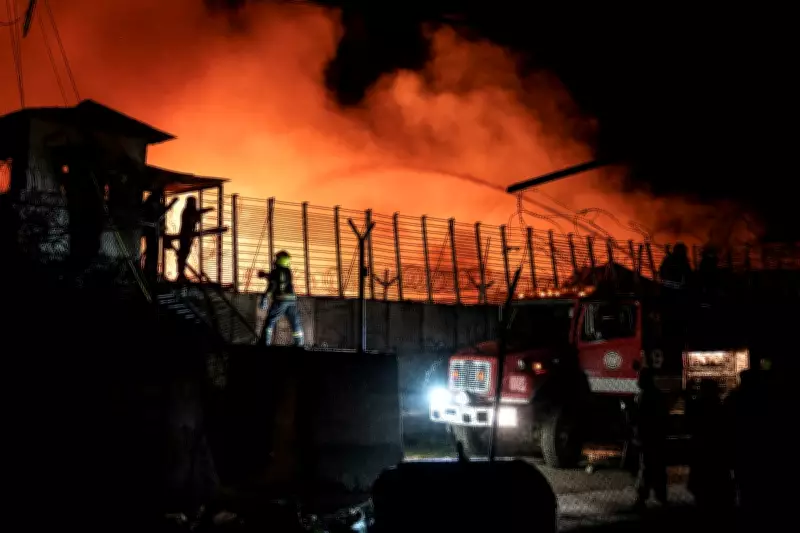
Observers at the scene reported smoke still smouldering from sections of the compound approximately thirty-six hours after the initial bombing, with firefighters continuing to extinguish small remaining fires. The devastation was comprehensive, with pieces of furniture, mattresses, and personal clothing scattered throughout the debris field alongside structural wreckage.
Afghan interior ministry officials announced that funerals for some victims would commence later on Wednesday. Interior ministry spokesman Abdul Mateen Qanie provided grim details about the recovery process: "Some of the bodies were not identifiable and are currently at the forensic department. Some bodies were intact and were handed over to their families. Others were completely destroyed, collected almost like pieces of flesh."
Najibullah Farooqi, who leads Afghanistan's legal medicine directorate, confirmed that recovery teams continued extracting bodies from the rubble as late as Tuesday night. "Some bodies have been handed over after their identities were confirmed. However, a large number of bodies still remain with us," he stated, indicating the scale of the identification challenge facing authorities.

Disputed Target and International Reactions
Afghanistan and Pakistan have engaged in fierce diplomatic disputes regarding the intended target of the air strike. Afghan authorities maintain that the attack deliberately targeted a well-known civilian rehabilitation centre that operated from a former NATO military base called Camp Phoenix, which had been converted into a civilian facility approximately ten years earlier.
Conversely, Pakistan insists they struck Camp Phoenix as a "military terrorist ammunition and equipment storage site," claiming that secondary explosions visible after their strikes clearly indicated the presence of substantial ammunition depots at the location.
The European Union, United Nations agencies, and multiple international aid organizations have issued statements emphasizing that civilian and medical facilities should never become targets during armed conflicts. These international bodies have collectively called for immediate de-escalation and peaceful resolution of the conflict between the neighbouring nations.
Background of the Escalating Conflict
The current conflict between these former allies originated last year when Pakistan accused Afghanistan of providing shelter and support to militants conducting attacks across Pakistani territory—allegations consistently denied by the Afghan Taliban government. Although tensions had temporarily eased following mediation efforts by friendly countries including China, hostilities dramatically reignited last month when Pakistan began directly targeting Afghan Taliban positions rather than focusing exclusively on locations associated with Pakistani Taliban militants that Islamabad claims operate from across the border.
This strategic shift has transformed what was previously a more contained conflict into a direct confrontation between the two nations' military forces, with the Kabul rehabilitation centre bombing representing the most severe escalation to date in terms of both casualties and diplomatic consequences.