Kenyan Police Detain Suspect in Alleged Scheme to Recruit Fighters for Russia's War in Ukraine
Police in Kenya have made a significant arrest in connection with an alleged human trafficking operation that duped Kenyan citizens with promises of skilled employment in Russia, only to send them to the front lines of the conflict in Ukraine. The suspect, Festus Omwamba, was apprehended in the northern town of Moyale, near the Ethiopian border, and is set to be transported to the capital, Nairobi, for further investigation.
Details of the Arrest and Allegations
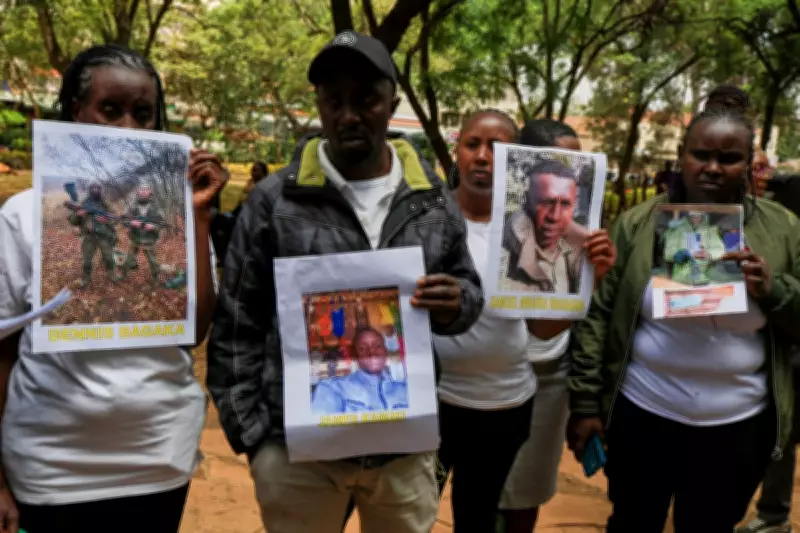
According to police spokesperson Michael Muchiri, Omwamba was fleeing after returning from Russia when he was arrested on suspicion of human trafficking. He was identified by three Kenyan recruits who spoke to The Associated Press, and had gone missing after families began protesting the disappearances and deaths of their relatives in the war. Omwamba is accused of overseeing tourist visa applications and ticket purchases for recruits, with victims reporting that they received visas and traveled to Russia within two weeks of initial contact.
Government Reports and Intelligence Findings
The Kenyan government revealed last week that more than 1,000 Kenyans were recruited to fight for Russia in Ukraine. Official figures indicate at least 89 Kenyans remain on the front line, 39 are hospitalized, 28 are missing in action, and others have returned home, with one confirmed death. An intelligence report presented to Kenya's Parliament by majority leader Kimani Ichung'wah alleged collusion between Kenyan and Russian government officials and rogue job recruitment agencies to lure Kenyans into the conflict.

Diplomatic Responses and Denials
The Russian Embassy in Nairobi has denied these allegations, stating in a recent announcement that it never issued visas to anyone intending to travel to Russia to fight in Ukraine. The embassy added that the Russian Federation does not preclude citizens of foreign countries from voluntarily enlisting in its armed forces. Meanwhile, Kenya's Foreign Minister Musalia Mudavadi announced on February 9 that he would travel to Russia for a diplomatic approach to rein in dubious entities exploiting individuals in this misadventure.
Recruit Testimonies and Escape Accounts
John Kamau, a recruit who escaped from the front line and sought refuge at the Kenyan Embassy in Russia before being processed for return home, told the AP he met Omwamba at a house in Nairobi where fellow recruits awaiting travel to Russia were kept. Another recruit, who requested anonymity for fear of being tracked down by Russians, said Omwamba avoided contacting recruits by text message, preferring to call or meet in person. This recruit had signed up after being promised a plumbing job in Russia, but upon arrival, his passport was confiscated, and he was taken to a military camp before deployment to the front line.
Ongoing Efforts and Implications
Foreign Minister Mudavadi emphasized that efforts to secure the release of Kenyans in Ukrainian prisons and repatriate those in Russia are ongoing. He referenced a presidential appeal to the Ukrainian government to process and bring back any Kenyans who have found themselves on the wrong side of the law. Omwamba's arrest marks a major development in the government's push to halt the recruitment of Kenyans to fight in Ukraine, highlighting the broader issues of human trafficking and international conflict involvement.