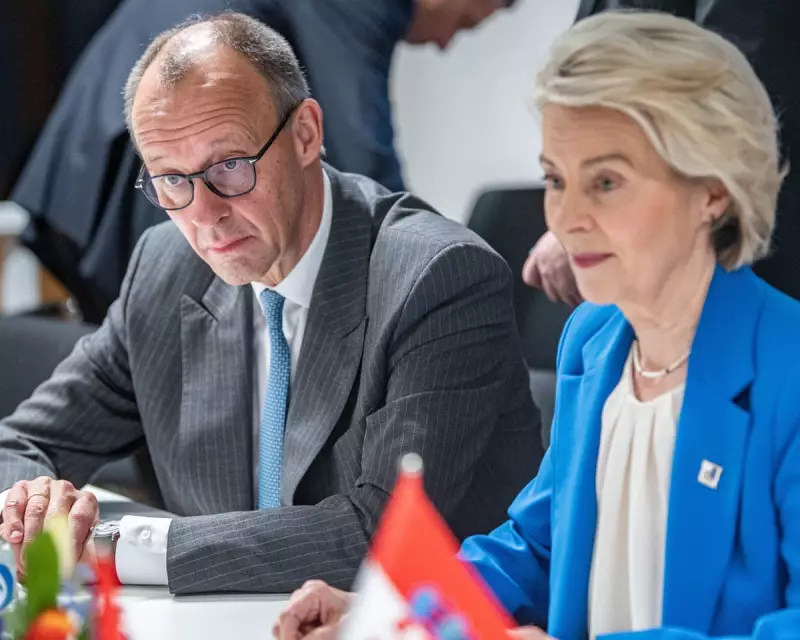
Friedrich Merz, the leader of Germany's Christian Democratic Union (CDU), has laid out a bold and ambitious vision for the nation's capital, aiming to recast Berlin as a central player on the world stage. In a significant policy speech, Merz declared his intention to elevate the city into a premier geopolitical hub should he succeed in becoming chancellor following the 2025 federal election.
Merz's Blueprint for a Global Berlin
The cornerstone of Merz's proposal is a strategic shift in how Germany projects its power and engages internationally. He argues that Berlin must evolve beyond its current role to become a nerve centre for global diplomacy and decision-making. This vision involves attracting more international institutions, think tanks, and diplomatic missions to the city, thereby increasing its influence in world affairs.
Merz's plan is not merely symbolic. He links this foreign policy ambition directly to domestic economic and security concerns. A stronger, more strategically positioned Berlin, he contends, would better protect German interests, secure supply chains, and bolster the nation's economic resilience in an increasingly volatile global landscape. His rhetoric marks a clear departure from the more cautious, trade-focused foreign policy that has characterised German leadership for decades.
The Political Battle and Voter Sentiment
This grand vision forms a key part of Merz's campaign to distinguish himself from the current Chancellor, Olaf Scholz of the Social Democratic Party (SPD). Merz is positioning himself as the candidate who can restore German strength and clarity on the international scene, a direct challenge to the ruling coalition's record. However, the critical question remains: will this message win over the electorate?
Initial reactions suggest a mixed response. Some voters and analysts are intrigued by the promise of a more assertive Germany, seeing it as necessary in times of rising geopolitical tensions. Others express scepticism, questioning whether the focus on high-level geopolitics resonates with everyday concerns like the cost of living, energy prices, and public services. The success of Merz's campaign may hinge on his ability to convincingly connect his international strategy to tangible benefits for German citizens.
Challenges and the Road to the Election
Transforming Berlin into a global hub faces considerable practical and political hurdles. The plan would require significant investment and a concerted, long-term effort across multiple government departments. Furthermore, it would demand a delicate balancing act with Germany's European partners and a re-evaluation of its traditionally restrained diplomatic posture.
As the 2025 election approaches, Merz's geopolitical platform sets the stage for a fundamental debate about Germany's role in the world. He is betting that voters are ready for a more confident and strategically active nation. The outcome will determine not only the next occupant of the chancellery but also the future direction of Europe's largest economy on the global stage.