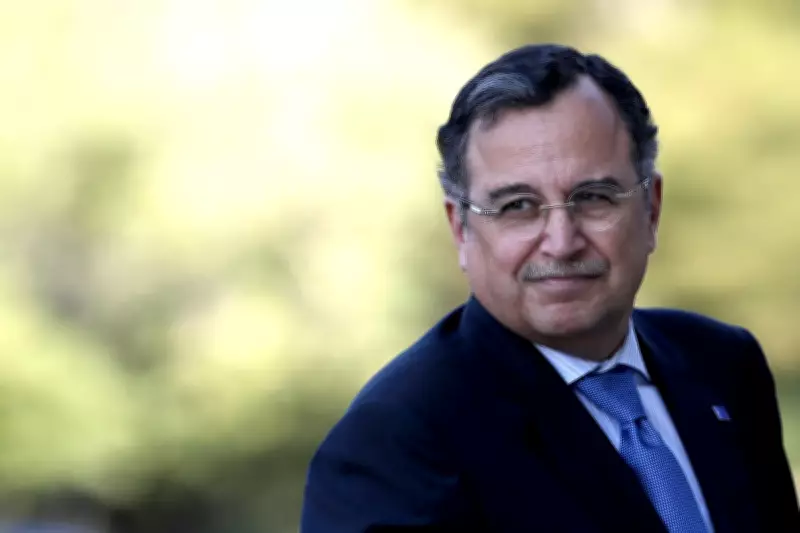
Veteran Egyptian Diplomat Nabil Fahmy Appointed New Arab League Chief
Arab foreign ministers have selected veteran Egyptian diplomat Nabil Fahmy to lead the 22-member Arab League for the next five years. The appointment was confirmed during a virtual meeting on Sunday, 29 March 2026, according to the Egyptian Foreign Ministry.
Appointment Amid Regional Tensions
Fahmy's appointment comes at a critical time for the Middle East, which is currently plunged into a monthlong conflict involving Iran that shows no signs of abating. Iran's Arab neighbours are reeling from attacks by Iran and its proxies, in response to massive airstrikes launched by the United States and Israel since 28 February.
The 75-year-old diplomat, who served as Egypt's foreign minister between July 2013 and June 2014, will begin his five-year term in July. He succeeds Ahmed Aboul Gheit, who has served as Arab League chief since 2016.

Egypt's Traditional Role in Arab League Leadership
Fahmy was the only nominee for the prestigious post, reflecting a long-held protocol that Egypt, as host of the Arab League, traditionally nominates the head of the body. This tradition has been in place since the organisation's establishment in 1945.
The only exception occurred in 1979, when Tunisian diplomat al-Shazly al-Qalibi was appointed after Egypt's membership was suspended following its peace treaty with Israel. Egypt rejoined the Arab League in 1989, with the headquarters returning to Cairo and a new Egyptian secretary-general appointed in 1990.
Fahmy's Distinguished Diplomatic Career
Nabil Fahmy brings extensive diplomatic experience to his new role. He served as Egypt's ambassador to the United States between 1999 and 2008, navigating complex bilateral relations during a crucial period.
Beyond government service, Fahmy has made significant contributions to education. He founded the School of Global Affairs and Public Policy at The American University in Cairo and currently serves as the school's dean emeritus.
A Diplomatic Legacy
Fahmy comes from a distinguished diplomatic family. He is the son of Ismail Fahmy, who served as Egyptian foreign minister from 1973 to 1977. The elder Fahmy resigned in protest of President Anwar Sadat's historic visit to Jerusalem, which paved the way for Egypt becoming the first Arab country to establish diplomatic ties with Israel.
Fahmy's appointment as Arab League chief comes during a period of significant regional challenge, with his experience and diplomatic lineage positioning him to navigate the complex geopolitical landscape facing Arab nations.