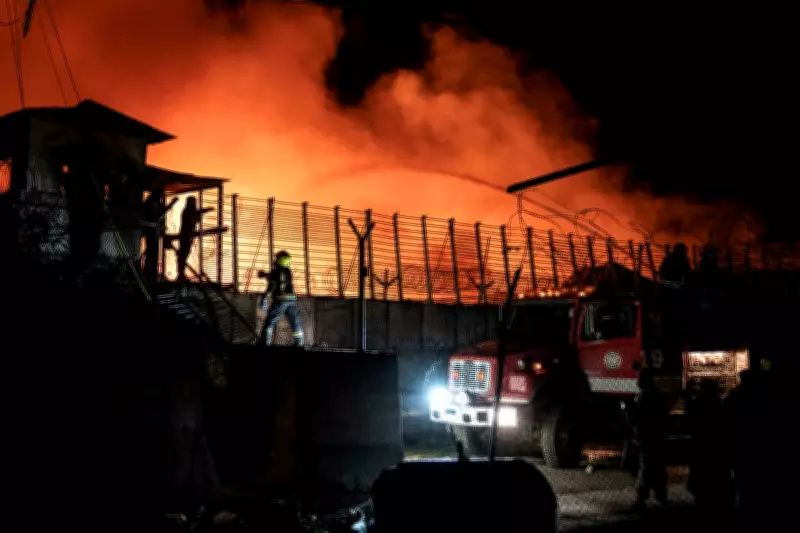
The longstanding conflict between Pakistan and the Taliban has dramatically escalated following a devastating airstrike on a major drug rehabilitation centre in Kabul, Afghanistan. The incident, which occurred on Monday night, has drawn sharp accusations from the Taliban and firm denials from Pakistan, further inflaming tensions along the volatile border region.
Taliban Accuses Pakistan of Civilian Massacre
The Taliban has publicly accused Pakistan of killing hundreds of civilians in a targeted airstrike on the Omid addiction treatment hospital in Kabul. According to Taliban statements, the 2,000-bed facility was completely destroyed, resulting in over 400 fatalities and approximately 250 injuries. The attack represents one of the deadliest single incidents in the recent escalation of hostilities between the two nations.
Pakistan's Official Response and Justification
In response to these allegations, Pakistan has categorically denied targeting civilians or civilian infrastructure. A military spokesperson stated that Pakistani forces "precisely targeted military installations and terrorist support infrastructure" located in both Kabul and Nangarhar provinces. Pakistan asserts that these sites were being used by insurgent groups responsible for orchestrating attacks on Pakistani soil, justifying the action as a necessary defensive measure.

Background of the 'Open War' Declaration
This airstrike marks the latest and most severe escalation in a conflict that has been intensifying since late February. Following a series of militant attacks within Pakistan, the two nations effectively declared an "open war," leading to a significant increase in cross-border attacks and military engagements. The situation has created a highly unstable security environment along the shared frontier.
International Calls for Restraint and Dialogue
Regional powers have expressed deep concern over the escalating violence. China, Iran, Qatar, and Saudi Arabia have all issued statements urging both Pakistan and the Taliban to exercise maximum restraint and engage in diplomatic dialogue to de-escalate the situation. Despite these international appeals, analysts predict that the border region will remain tense and volatile in the coming weeks.
Analysts Predict Continued Military Action
Security analysts monitoring the conflict suggest that Pakistan is likely to continue its military operations against militant groups operating from Afghan territory. This persistent threat of further action indicates that the "open war" declaration is not merely rhetorical but reflects a sustained military strategy. The destruction of the Omid hospital, whether intentional or collateral damage, has significantly raised the stakes and complicated any potential path to negotiation.
The humanitarian impact of the airstrike, particularly on a facility dedicated to addiction treatment, adds a tragic dimension to the conflict. As both sides dig in their positions, the risk of further civilian casualties and regional destabilization remains alarmingly high. The international community continues to watch closely, hoping for a diplomatic breakthrough to prevent a full-scale regional crisis.