The search for a new Australian ambassador to the United States is underway following Kevin Rudd's announcement that he will step down a year early from the prestigious posting in Washington.
The Frontrunner and the Political Reality
As is customary, the role is a political appointment, and Prime Minister Anthony Albanese is expected to select a figure with deep links to the Labor Party. The name most frequently mentioned is former senior Labor minister and senator, Stephen Conroy, who is considered the frontrunner. However, his past description of Donald Trump as "moronically stupid" presents a significant complication, given the high likelihood of Trump returning to the White House after the next presidential election.
While conservatives may express shock at such a candidacy, the article notes that criticising Trump is far from uncommon. In Trump's political world, past insults can be overlooked if an individual proves useful—a point illustrated by his own Vice President. The core question is whether Conroy, who has experience in defence policy—a critical area for the AUKUS pact—possesses the diplomatic finesse to get his calls returned in a potentially Trump-led administration.
Other Contenders in the Frame
Another potential candidate from Labor's ranks is former senator Kristina Keneally. She boasts the rare advantage for an Australian appointee of being able to speak with an American accent at conversational speed, a trait that could be a major asset in Washington. Despite her close friendship with Foreign Minister Penny Wong, her past criticisms of Trump might count against her.
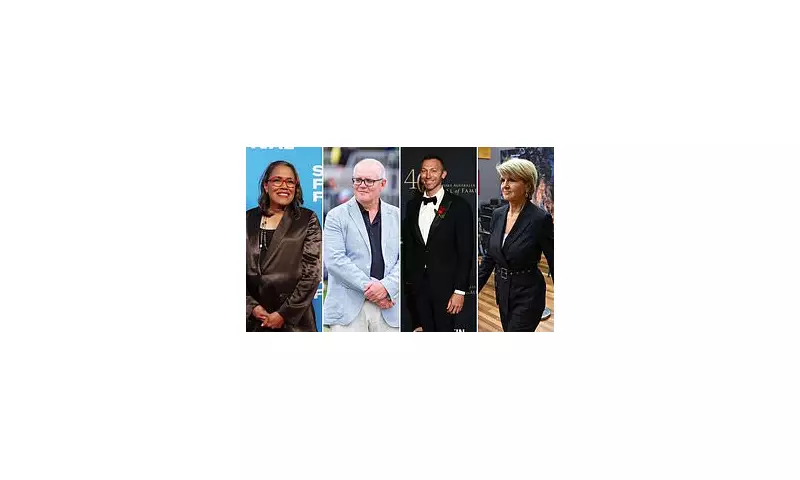
The speculation has also touched on former Liberal Prime Minister Scott Morrison, largely due to his well-documented rapport with Donald Trump. However, this is widely dismissed. Former prime ministers rarely take such roles, making Rudd's appointment unusual, and Morrison is reported to be highly lucrative in the private sector via his international consultancy.
The Wildcard and the Ideal Choice
One name stands out as a potentially formidable but politically unlikely choice: former Liberal deputy leader and foreign minister Julie Bishop. She would command considerable authority in Washington, and her recent criticisms of her own party might make her more palatable to a partisan Labor government. Ultimately, the appointment should be based on Canberra's needs in Washington, which centre on forcefully advocating for the AUKUS security pact and effectively navigating a second Trump term.
Despite this, the decision often comes down to political patronage. The role is one of the most sought-after post-parliamentary prizes, and reasoned strategy can be overshadowed when a prime minister and foreign minister hand out such plums. Consequently, the smart money remains on a former Labor politician securing the job, continuing the long tradition of politically aligned ambassadors in the key US post.