Russia and Ukraine Trade Accusations Over Orthodox Easter Ceasefire Violations
Russia and Ukraine are accusing each other of violating a Kremlin-declared Easter ceasefire that took effect less than 24 hours earlier, marking another failed attempt at a temporary peace during the Orthodox holiday weekend.
Ceasefire Declaration and Initial Promises
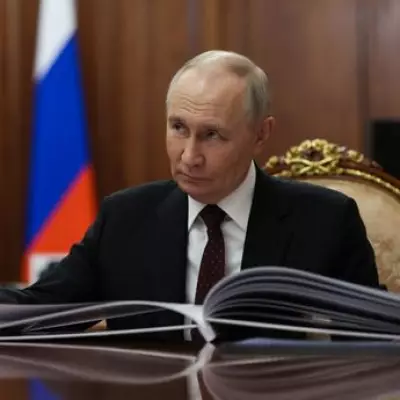
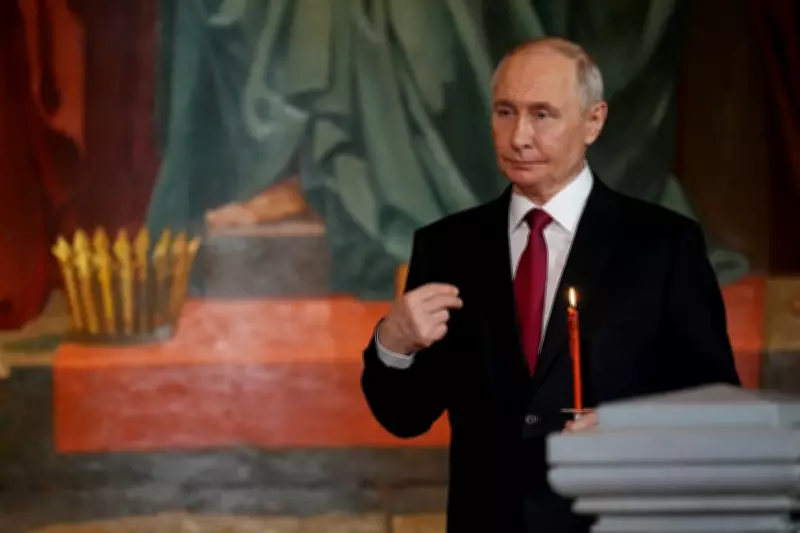
Russian President Vladimir Putin on Thursday declared a 32-hour ceasefire over the Orthodox Easter weekend, ordering Russian forces to halt hostilities from 4 p.m. on Saturday until the end of Sunday. Ukrainian President Volodymyr Zelenskyy promised to abide by the ceasefire, but warned there would be a swift military response to any violations, setting the stage for potential conflict.
Ukrainian Allegations of Russian Violations
The General Staff of Ukraine’s Armed Forces said in a statement Sunday that it had recorded 2,299 ceasefire violations by 7 a.m. local time, including assaults, shelling and small drone launches. It noted that the use of long-range drones, missiles, or guided bombs had not been reported, but a Ukrainian military officer told The Associated Press Saturday that Russian forces had continued to attack their positions throughout the period.

Russian Counterclaims of Ukrainian Breaches
Russia’s Defense Ministry also said Sunday it had recorded 1,971 ceasefire violations by Ukrainian forces, including drone strikes on Russia’s Kursk and Belgorod regions that injured civilians. These allegations highlight the ongoing tit-for-tat accusations that have characterized previous ceasefire attempts.
Historical Context of Failed Ceasefires
Previous attempts to secure ceasefires have had little or no impact, with the two sides consistently blaming each other for violations. Putin unilaterally declared a 30-hour ceasefire last Easter, but each side accused the other of breaking it, demonstrating a pattern of distrust and escalation that continues to undermine peace efforts.
The mutual accusations underscore the deep-seated hostilities and lack of trust between the nations, suggesting that unilateral declarations are insufficient without robust monitoring and enforcement mechanisms. The high number of reported violations on both sides indicates that the conflict remains intense, with neither party willing to fully adhere to temporary truces amid ongoing strategic objectives.