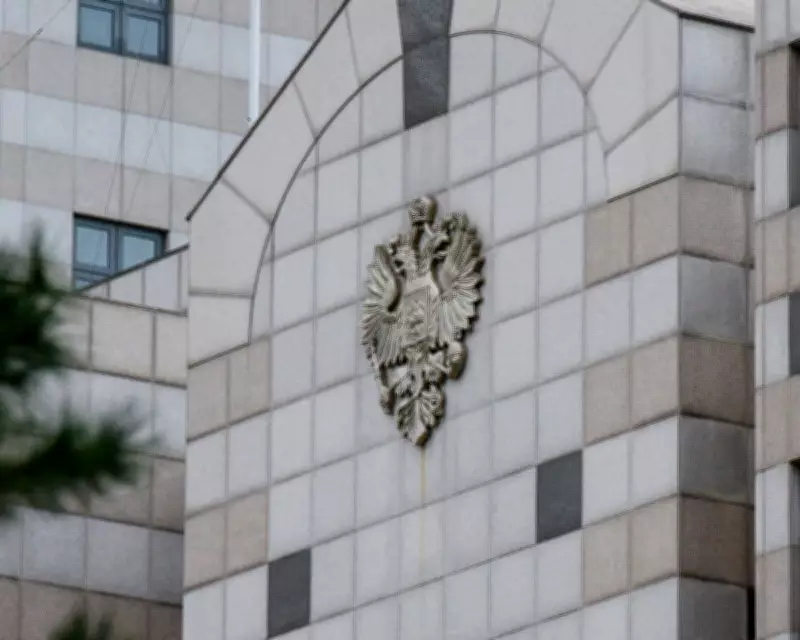
The Russian embassy in Seoul has ignited a wave of complaints and diplomatic friction after prominently displaying a banner with the slogan "Victory Will Be Ours" over its building. This provocative move comes amid the ongoing conflict in Ukraine, where Russia's military actions have drawn widespread international condemnation and sanctions.
Diplomatic Tensions Escalate in Seoul
South Korean officials and local residents have expressed strong disapproval of the banner, viewing it as an inflammatory gesture that undermines regional stability and disrespects the sovereignty of Ukraine. The embassy's decision to raise the banner has been described as a blatant attempt to project Russian propaganda and assert dominance in a foreign capital, directly challenging the norms of diplomatic conduct.
International Reactions and Complaints
Complaints have been lodged with both the South Korean government and international bodies, calling for the removal of the banner and a formal apology from Russian authorities. Critics argue that such actions exacerbate global tensions and could potentially strain bilateral relations between Russia and South Korea, which have historically maintained a complex but generally cooperative relationship.

In response, the Russian embassy has defended the banner as a statement of national pride and resolve, but this justification has done little to quell the outcry. Analysts suggest that the incident reflects a broader pattern of Russian diplomatic assertiveness, aimed at testing the limits of international tolerance and rallying domestic support amid the protracted war in Ukraine.
Impact on Regional Diplomacy
The banner's display has raised concerns about the potential for further diplomatic incidents in the region, as other nations monitor Russia's actions closely. South Korea, while not directly involved in the Ukraine conflict, has supported international efforts to sanction Russia and provide aid to Ukraine, making this episode particularly sensitive.
Observers note that the controversy underscores the challenges of maintaining diplomatic decorum in an era of heightened geopolitical rivalries. The incident serves as a stark reminder of how symbolic acts can quickly escalate into significant diplomatic disputes, with lasting implications for international relations and global security.