Rwanda Pursues £100 Million Claim Against UK in Refugee Deal Dispute
Rwanda has formally requested a panel of international arbitrators to order Britain to pay 100 million pounds, equivalent to approximately 115 million US dollars, under a contentious refugee resettlement agreement. This deal was abruptly terminated by Prime Minister Keir Starmer immediately upon his assumption of office in 2024, sparking a significant legal confrontation between the two nations.
Background of the Controversial Agreement
The original arrangement, established in 2022 under former Prime Minister Rishi Sunak, involved sending migrants who arrived in the United Kingdom as stowaways or via small boats to Rwanda. As part of this pact, the UK committed to making payments to Rwanda to assist with covering associated costs. Rwanda, in preparation, established an asylum appeals chamber, developed ministerial and administrative frameworks, and constructed reception facilities for incoming refugees, incurring substantial expenses in the process.
Rwanda's Legal Arguments
During a hearing at the Permanent Court of Arbitration in The Hague, Rwanda's Justice Minister and Attorney General, Emmanuel Ugirashebuja, articulated the nation's position. He stated that Rwanda had invested heavily in infrastructure and resources based on the agreement, only for the new UK Prime Minister, Keir Starmer, to declare the scheme "dead and buried" on his first full day in office. Ugirashebuja emphasized that Rwanda was not informed in advance of this decision, learning about the developments through media reports instead.

He further argued that the United Kingdom is attempting to evade its legal obligations, asserting that the UK's claim of a November 2024 agreement where Rwanda would forgo payments is unfounded. Rwanda denies any such agreement exists, setting the stage for a complex legal battle over the evidence.
UK's Defence and Broader Implications
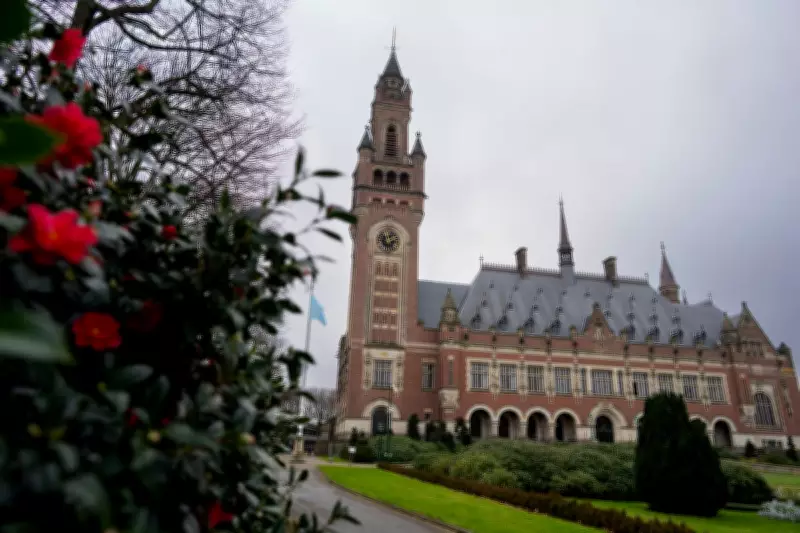
The British government is contesting Rwanda's claims, urging the court to dismiss them based on the alleged November 2024 understanding. Legal experts, such as Joelle Grogan, a visiting senior research fellow at UCD Sutherland School of Law in Dublin, note that the arbitration will heavily depend on proving the existence and terms of this purported agreement. The proceedings, held at the ornate Peace Palace in The Hague, are expected to extend over several months before a final decision is reached.
This dispute highlights the broader fallout from the refugee deal, which faced widespread criticism from human rights groups and legal challenges, including a ruling by Britain's Supreme Court that deemed the policy unlawful due to Rwanda not being a safe third country for migrants. Yvette Cooper, the Home Secretary at the time of the deal's cancellation, condemned the scheme as a "most shocking waste of taxpayer money," estimating total costs at around 700 million pounds, covering payments to Rwanda, unused charter flights, and salaries for civil servants involved.
Additional Allegations and Future Proceedings
In its arbitration filing from January, Rwanda also alleges that the UK violated another aspect of the deal, which involved London agreeing to resettle vulnerable refugees from Rwanda. This adds another layer to the dispute, underscoring the multifaceted nature of the international agreement. As hearings continue this week, the outcome will not only determine financial liabilities but also set precedents for future diplomatic and legal engagements between nations on migration policies.