Saudi Arabia Urges US to Seize 'Historic Opportunity' to Remake Middle East
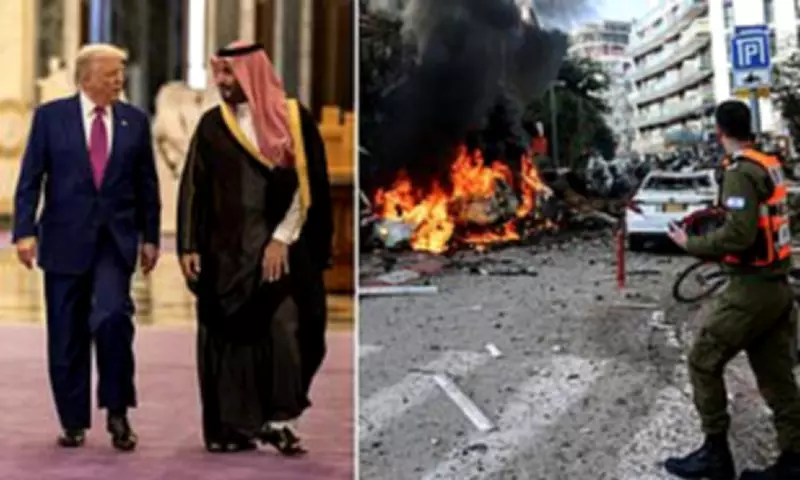
Saudi Arabia has reportedly urged the United States to seize what it terms a 'historic opportunity' to fundamentally reshape the Middle East, according to sources briefed by US officials. The kingdom's de-facto leader, Crown Prince Mohammed bin Salman, is leaning on President Donald Trump to persist with the military campaign against Iran, viewing the Iranian regime as a persistent long-term threat that will endure while it remains in power.
Regional Tensions and Military Moves
This pressure from Riyadh comes despite President Trump's recent assertion that he is 'close to a deal' with Iran. The New York Times reported that Prince Mohammed bin Salman is actively 'pushing' the US administration to maintain its offensive. Concurrently, the United Arab Emirates is intensifying its crackdown on Iranian-owned assets and deliberating potential military involvement, as noted by the Wall Street Journal.
The Pentagon is anticipated to announce an additional deployment of 3,000 airborne soldiers to the region. These forces could potentially be utilised to seize Kharg Island, a strategically critical location through which Iran exports approximately 90 percent of its crude oil, highlighting the high stakes of the conflict.

Diplomatic Fluctuations and Conflicting Statements
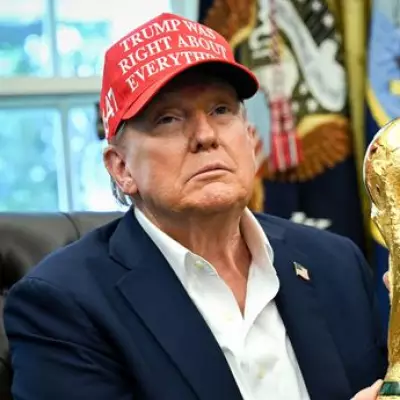
In a notable shift, President Trump stated that the US is currently engaged in negotiations with Iran, remarking, 'We're talking to the right people and they want to make a deal so badly.' This change in tone followed his earlier withdrawal from threats to 'obliterate' Iran's power plants, instead proposing a five-day 'pause' on energy strikes to facilitate talks aimed at agreements on 'no more war' and 'no more nuclear weapons.'
However, the Iranian regime dismissed these claims as 'fake news,' though diplomatic channels showed some activity. A senior Iranian foreign ministry official confirmed to CBS News that points from the US had been received via mediators and were under review. Nations including Pakistan, Turkey, and Egypt have been instrumental in advocating for de-escalation during discussions with US peace envoy Steve Witkoff and an unnamed Iranian representative.
Escalating Violence and Regional Fallout
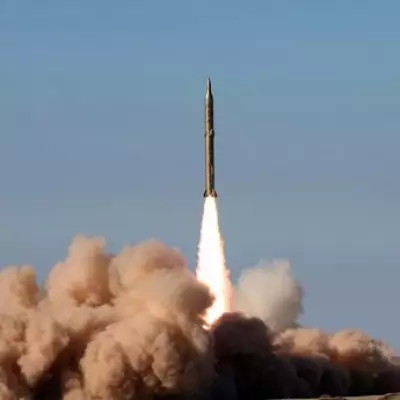
Amid these diplomatic efforts, violence has continued to escalate. Israel and Iran exchanged rocket fire, with one Iranian ballistic missile striking Tel Aviv after evading Israeli defences. Saudi Arabia reported intercepting drones targeting its oil-rich Eastern Province, while Lebanon faced Israeli air strikes and subsequently expelled Iran's ambassador, declaring him persona non grata.
Additional regional impacts included electricity outages in Kuwait caused by shrapnel from an Iranian strike. Lebanon is also considering talks with Israel as it evaluates measures to counter Hezbollah, an Iranian proxy group.
Key Figures and Strategic Developments
Pakistan has expressed readiness to host talks as early as this week, potentially involving US Vice President JD Vance and Iran's Mohammad Ghalibaf, who was recently promoted to secretary of the national security council. Ghalibaf is increasingly viewed as a pivotal figure within the Iranian regime, following the assassination of his predecessor, Ali Larijani.
President Trump hinted at a significant concession from Iran, describing it as a 'big present worth a tremendous amount of money' related to oil and gas, possibly concerning the Strait of Hormuz. Meanwhile, Iran's Major General Ali Abdollahi Aliabadi vowed that his forces 'will continue until complete victory,' underscoring the entrenched positions on both sides.
The White House has acknowledged 'sensitive discussions' are ongoing but refrained from further speculation, as the situation remains fluid with potential for both conflict and diplomacy.