Starmer's Defiance of Trump Over Iran Strikes Tests US-UK Alliance
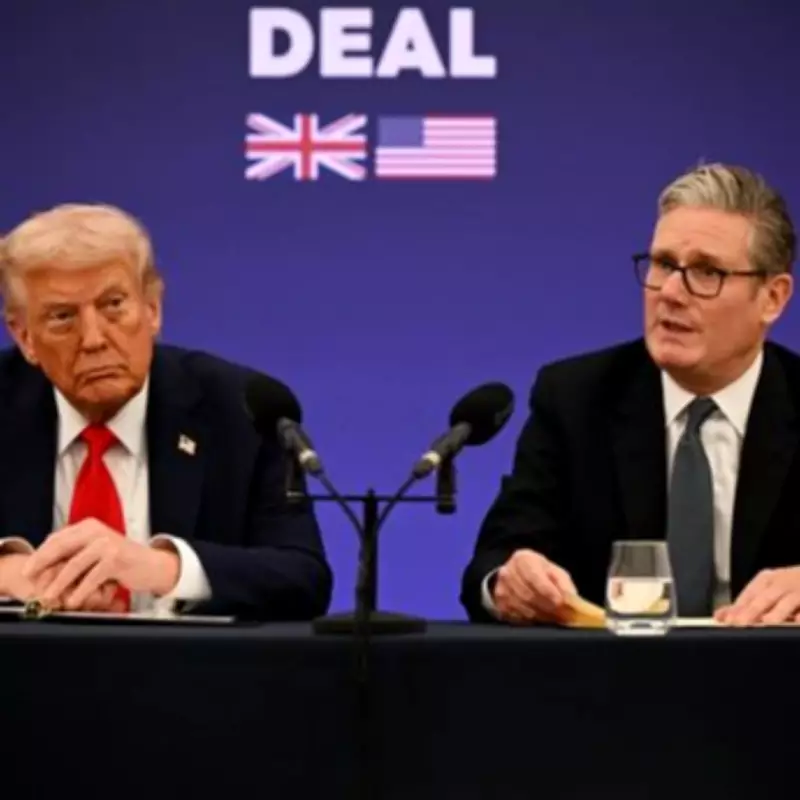
Prime Minister Keir Starmer has taken a firm stance against the volatile Donald Trump, refusing the US President's demand to utilise British military bases for launching attacks on Iran. This decision has ignited a significant diplomatic crisis, placing the longstanding Special Relationship between the United Kingdom and the United States under unprecedented strain. The flashpoint emerged after Trump, aged 79, ordered missile strikes that killed Iran's Supreme Leader Ayatollah Ali Khamenei, escalating regional hostilities and drawing Britain into a precarious position.
A Delicate Balancing Act in Foreign Policy
Since Trump's return to the White House, Keir Starmer has navigated a series of high-pressure situations, each requiring meticulous diplomacy to avoid provoking the quick-to-anger American leader. The latest confrontation centres on Trump's request for access to UK bases to support offensive operations against Iran, a move Starmer unequivocally rejected. In response, Trump expressed fury, lamenting the deterioration of what he described as "the most solid relationship of all" while highlighting strengthened ties with other European nations.
Starmer's refusal represents a bold departure from historical precedent, notably contrasting with Tony Blair's decision twenty-three years ago to align closely with US military actions. The Prime Minister articulated a clear condition: UK bases may only be used for defensive strikes aimed at protecting allies, not for regime change objectives. This principled stand underscores Starmer's commitment to avoiding a repeat of the Iraq War quagmire, which cost 179 British lives due to poorly planned interventions.

Navigating a String of Diplomatic Flashpoints
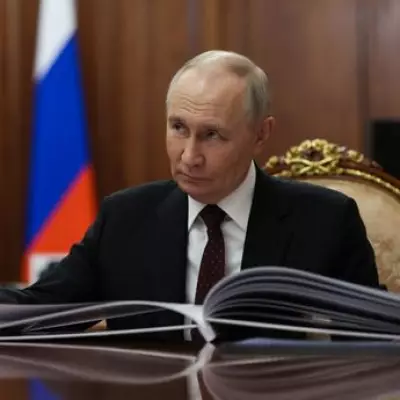
The Iran crisis is merely the latest in a succession of challenges Starmer has faced since Trump's resurgence. Previous incidents include threats of a Greenland invasion, the abduction of the Venezuelan president, and controversial diplomatic overtures to Vladimir Putin. Each scenario has required Starmer to carefully steer UK policy without capitulating to Trump's demands, aware that missteps could trigger economic retaliation through tariffs or public humiliation on the global stage.
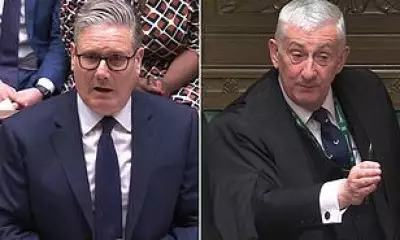
As a former human rights lawyer with a temperament vastly different from Trump's, Starmer has demonstrated resilience against bullying tactics. He emphasised to Parliament that hasty, rash decisions are unacceptable when national security and international stability are at stake. "I do not believe in regime change from the skies," Starmer declared, sending an unambiguous message to the US administration.
Public and Political Reactions to the Standoff
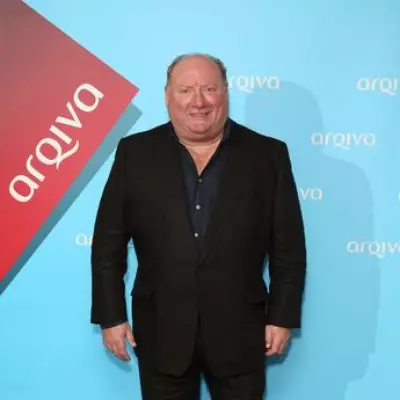
Polling data from YouGov indicates broad public support for Starmer's position, with a majority of British voters endorsing his cautious approach. However, political friction persists domestically, as Nigel Farage, Trump's closest ally in the UK, criticises the Prime Minister for not being more accommodating to the world's most powerful leader. This internal dissent suggests the diplomatic spat may have lasting repercussions within British politics.
Historical patterns offer mixed insights into Trump's likely response; Wall Street analysts have coined the term TACO, meaning "Trump always chickens out," suggesting he may ultimately back down. Yet, given the unpredictability that has characterised his presidency, no outcome can be taken for granted. The refusal to grant base access marks a defining moment in Starmer's premiership, testing the resilience of the US-UK alliance while affirming Britain's independent strategic judgment in volatile times.