Starmer Distances UK From Iran Conflict as European Allies Reject US Warship Demands
Prime Minister Keir Starmer has firmly declared that the United Kingdom will not be drawn into a broader war in the Middle East, as European leaders simultaneously ruled out sending warships to the Strait of Hormuz. This stance marks a clear divergence from former US President Donald Trump's aggressive posture toward Iran, with Starmer emphasising the need for a calm assessment of British national interests.
UK Resists Pressure Amid Trump's Criticism
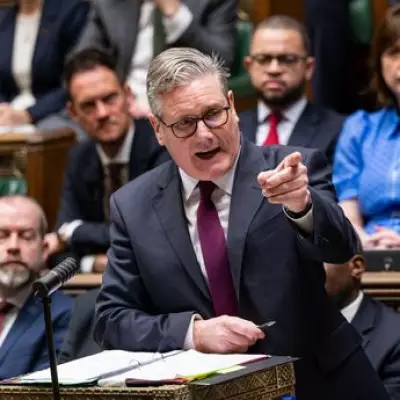
In his strongest signal yet of independence from US demands, Starmer stated at a Downing Street press conference that while the UK would take necessary actions to defend itself and allies, it would not escalate into a wider conflict. This came after Trump publicly criticised Starmer for refusing to deploy minesweepers to the region, calling the decision "terrible" and expressing disappointment with the UK, America's oldest ally.
"While taking the necessary action to defend ourselves and our allies, we will not be drawn into the wider war," Starmer asserted, acknowledging the difficulty of the situation. He revealed that Trump had personally requested UK assistance in a phone call to keep the Strait of Hormuz open, but ministers are instead considering sending aerial minesweeping drones to avoid further escalation.

European Solidarity Against Military Involvement
The UK's position aligns with several key European nations that have rejected Trump's call for naval support. Germany, Italy, France, and Australia have all declined to send ships, highlighting Washington's isolation on this issue. German Defence Minister Boris Pistorius explicitly stated, "This is not our war, we have not started it," while Italian Foreign Minister Antonio Tajani emphasised diplomatic solutions over military missions.
This collective European resistance is particularly striking given their initial reluctance to criticise Trump's decision to attack Iran alongside Israel sixteen days ago. The conflict has since expanded regionally, causing significant economic repercussions globally.
Economic Fallout and Domestic Concerns
The geopolitical tensions have triggered severe economic consequences, with oil prices skyrocketing from approximately $65 to over $100 per barrel after Iran threatened to target ships in the Strait of Hormuz. This vital waterway normally handles one-fifth of the world's oil supply, and the disruption has economists predicting higher inflation and reduced growth.
Starmer announced £53 million in government support for lower-income households relying on heating oil, addressing immediate cost-of-living pressures. However, he stressed that de-escalating the conflict should remain the priority, as prolonged instability would continue to impact energy costs and domestic budgets.
Strategic Calculations and Future Implications
Behind the scenes, UK officials express alarm at Trump's apparent lack of a coherent plan to end the conflict. Starmer emphasised that Britain must not lose sight of the need for an eventual negotiated settlement, despite the US operation having weakened Iran's military capabilities.
The prime minister's refusal to allow Trump to use British bases for the initial attack on Tehran has already strained their relationship, and the current disagreement over naval support further complicates their alliance. Starmer maintains that his decisions reflect principles shared by the British people, focusing on national interest rather than external pressure.
As the situation evolves, the UK continues working with European, American, and Gulf allies to develop a viable plan to reopen shipping lanes, though no immediate resolution appears forthcoming. The broader implications for NATO cohesion and global energy security remain uncertain as diplomatic efforts continue amidst military posturing.