Starmer Defies Trump's Pressure Over UK Involvement in Iran Conflict
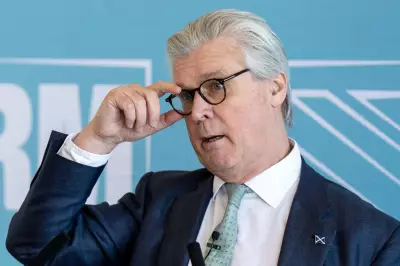
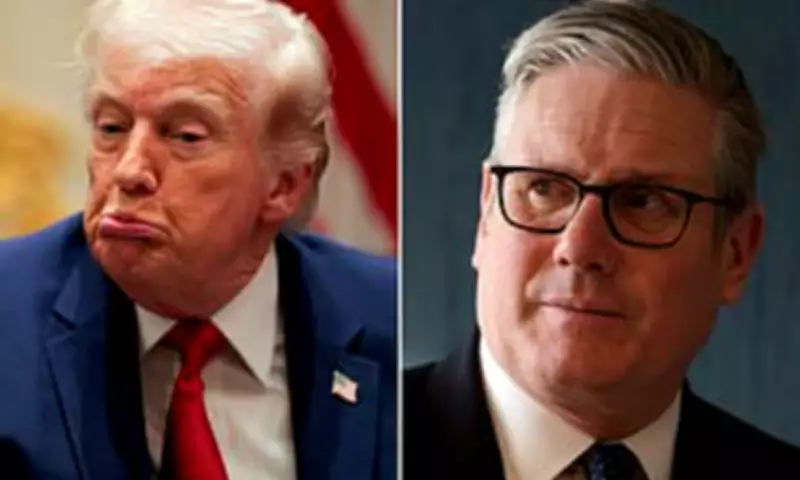
Prime Minister Sir Keir Starmer has publicly accused former US President Donald Trump of attempting to publicly undermine him in a bid to coerce Britain into joining the US-led war against Iran. In recent days, Trump has repeatedly criticised the Prime Minister and other NATO members for their refusal to assist in the Middle Eastern conflict initiated by the United States.
Starmer's Unwavering Stance on UK Military Involvement
In a candid interview, Sir Keir firmly declared that he would not buckle under this pressure. He reiterated his commitment that while US forces may continue to utilise UK military bases, British Armed Forces will not be drawn into what he termed a wider conflict. The Prime Minister emphasised that his decision is rooted in acting in the British national interest, a principle he stated is non-negotiable.
When questioned on Sky News' Electoral Dysfunction podcast about whether Trump's persistent attacks had provoked him, Starmer responded, I think I understand what's happening, it's to put pressure on me in different ways. He added, But, that pressure isn't going to make me waver. It's not going to make me abandon my principles or values, and that's just the way I am.

Trump's Escalating Criticism and the State of the Special Relationship
In his latest verbal assault, Trump disparaged the UK's two largest warships, the aircraft carriers HMS Queen Elizabeth and HMS Prince of Wales, labelling them as toys compared to American vessels. He has also consistently derided Starmer as no Churchill and claimed the Prime Minister made a big mistake by not swiftly supporting the US-Israeli offensive.
This growing rift has plunged the transatlantic special relationship to its lowest point in decades, with the United States finding itself increasingly isolated over a conflict that analysts warn could trigger a global economic recession. Despite acknowledging a clear difference of opinion and recent hard decisions, Starmer expressed a continued desire for a good relationship with the US.
Defence Capabilities and NATO Commitments Under Scrutiny
Concurrently, the UK's defence preparedness has come under intense scrutiny. Sir Keir Starmer has faced accusations of overseeing a defence shambles following revelations that Britain had to request Germany's assistance to fulfil a major NATO commitment.
- Germany deployed the frigate Sachsen, with British officers onboard, to lead a NATO maritime task group.
- This replaced HMS Dragon, which was redirected to help defend Cyprus from potential Iranian attacks.
- The move has raised serious concerns about the operational readiness of the Royal Navy's surface fleet.
Defence Secretary John Healey was unable to specify how many of the Navy's 17 frigates and destroyers are currently combat-ready when pressed on the issue. Furthermore, new NATO data indicates UK military spending as a proportion of GDP was 2.3% last year, slightly below the anticipated 2.4%.
Delayed Defence Plans and Ongoing Threats
Adding to the controversy, Sir Keir has again declined to provide a timeline for the publication of Labour's much-delayed Defence Investment Plan. This blueprint, intended to outline how the party aims to increase military spending to 3.5% of GDP, was originally scheduled for release last autumn but has been repeatedly postponed.
Amid these domestic challenges, US Defence Secretary Pete Hegseth suggested Iran possesses the capability to strike London, a claim the UK government has not explicitly confirmed. Healey stated that while Iran may have the technical ability, military chiefs do not believe there are any active plans for such an attack.
The ongoing tensions highlight a critical juncture for UK foreign policy and defence strategy, as the government balances alliance pressures with national sovereignty and military constraints.