Trump Claims Responsibility for Destroying Iran's Largest Bridge, Warns of More Strikes
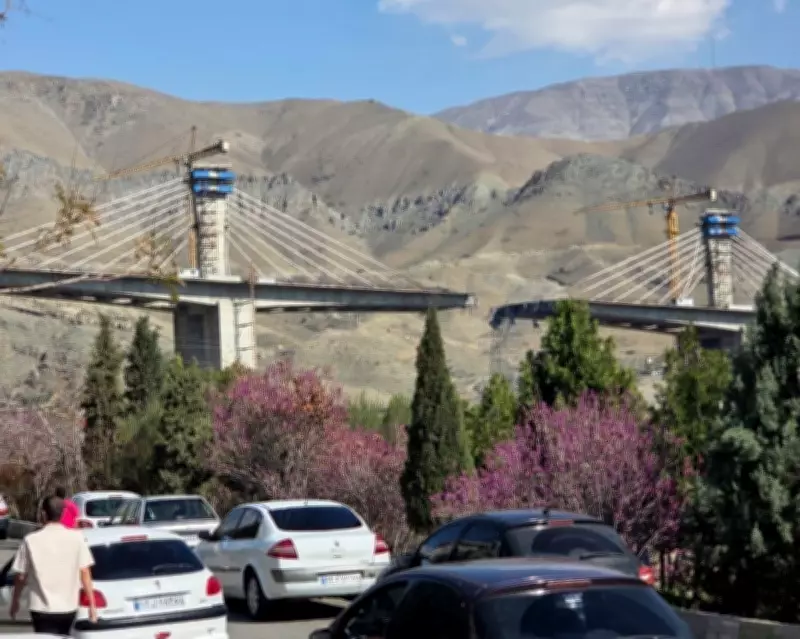
Donald Trump has publicly claimed responsibility for the destruction of Iran's largest bridge, a newly completed suspension structure linking Karaj to Tehran. The attack, which occurred on 2 April, resulted in eight fatalities and 95 injuries according to Iranian state media reports from Karaj.
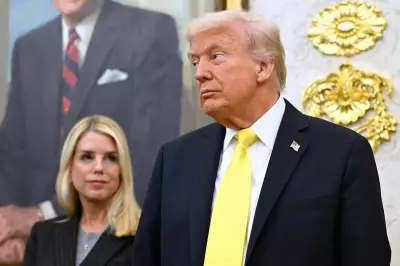
The US president shared dramatic footage on his Truth Social platform showing the 136 metre-high, $400 million B1 suspension bridge collapsing onto the causeway below amid a plume of black smoke. "The biggest bridge in Iran comes tumbling down, never to be used again," Trump declared in his post, adding a stark warning that there would be "much more to follow" if a settlement was not reached in the ongoing conflict.
Strategic Infrastructure Targeted
The bridge, one of Iran's premier infrastructure projects, was struck twice in the middle section, creating a clear gap that rendered the structure unusable. Imagery following the attack showed the devastating impact on what had been a symbol of Iranian engineering achievement.

It remains unclear whether civilians were using the bridge at the time of the attack, though video evidence appeared to show a lorry on one side of the structure. Additional footage suggested a projectile struck an already damaged section of the span, indicating precision targeting.
Escalating Threats and Military Actions
The bridge attack follows Trump's primetime speech in which he declared the war launched by the US and Israel against Iran on 28 February was "nearing completion" and that strategic objectives would "very shortly" be achieved. However, the president simultaneously escalated threats against Iranian infrastructure, specifically targeting power plants that could leave millions without electricity.
"We are going to hit each and every one of their electric generating plants very hard and probably simultaneously," Trump warned during his White House address, repeating this threat in social media posts following the bridge strike.
Broader Conflict Context
The bridge destruction represents one of several confirmed attacks in Iran this week, despite communication challenges caused by internet shutdowns imposed by Iranian authorities. Earlier footage from a strike on a missile base in Isfahan was verified as genuine, showing fiery plumes and secondary explosions that surprised nearby observers.
Isfahan holds particular significance as the suspected location of Iran's 440kg stockpile of 60% enriched uranium, theoretically convertible to nuclear weapons if further enriched. While speculation has circulated about potential US raids to seize this radioactive material, Trump dismissed concerns, stating the material was buried so deeply that "I don't care."
Human and Economic Toll
The conflict has exacted a heavy toll on Iran, with over 15,000 bombing raids since hostilities began. Preliminary estimates from the International Red Cross and Red Crescent Societies indicate at least 1,900 fatalities and 20,000 injuries within Iran.
Economic repercussions are also significant, with oil prices surging 7% to $108 per barrel as the conflict shows no immediate signs of resolution. UN Secretary General António Guterres has warned the world stands "on the edge of a wider war" with potentially catastrophic global implications.
Regional Military Developments
Additional military actions include Iran's report that the Pasteur medical institute in Tehran was struck, while Israel claimed attacks on Revolutionary Guard facilities used to finance armed proxies across the Middle East. Iranian military spokesperson Ebrahim Zolfaqari vowed "more crushing, broader and more destructive" attacks until achieving the "permanent regret and surrender" of Iran's enemies.
The conflict began with the 28 February attack that killed Iran's supreme leader Ali Khamenei and several associates, occurring just as nuclear deal negotiations appeared promising. Most observers acknowledge Trump's past engagement in strategic misdirection, adding complexity to interpreting his statements and intentions regarding the ongoing crisis.