The Trump administration has dramatically intensified its confrontational stance towards Iran this week, explicitly threatening the use of military force and announcing severe new economic penalties. This escalation follows widespread protests within Iran and a series of aggressive statements from the US President.
White House Doubles Down on Military Threats
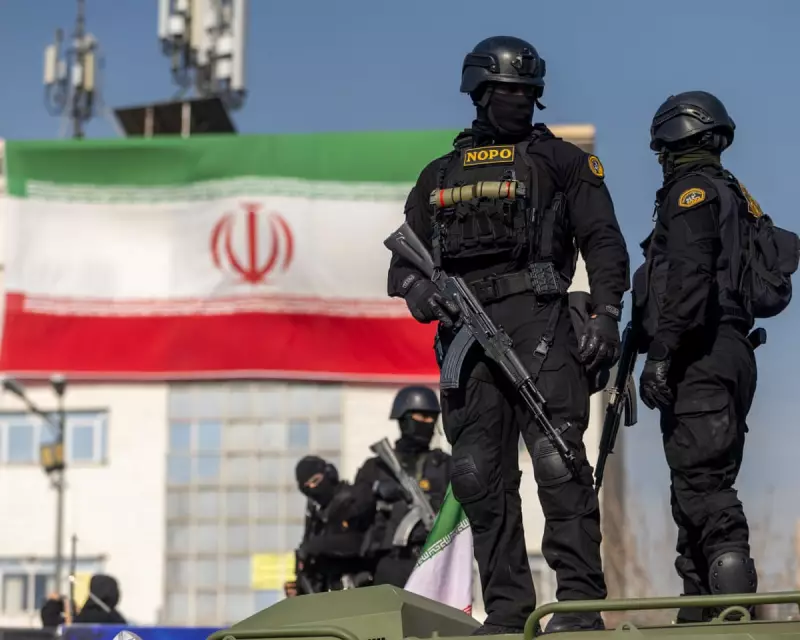
Last week, as Iranian security forces cracked down on demonstrators, Donald Trump issued a stark warning to Tehran's leadership: "You’d better not start shooting, because we’ll start shooting too." This bellicose rhetoric was reinforced on Monday by White House Press Secretary Karoline Leavitt. In an interview with Fox News, Leavitt stated that while diplomacy remained the preferred option, the President was "unafraid to use the lethal force and might of the United States military" if he deemed it necessary.
Leavitt specifically cited airstrikes as one of the "many, many options" under consideration, referencing last year's US strikes on Iranian nuclear sites. She asserted that "nobody knows that better than Iran" when it comes to Trump's willingness to deploy force. The Press Secretary also claimed the President did not want to see violence on the streets of Tehran, despite the administration's own threatening language.
New 25% Tariff Announced on Iran's Trading Partners
Following Leavitt's comments, President Trump moved to further isolate Iran economically. On his Truth Social platform, he declared: "Effective immediately, any country doing business with the Islamic Republic of Iran will pay a tariff of 25% on any and all business being done with the United States of America."
This sweeping tariff threat represents a significant escalation in the US's economic pressure campaign, aiming to sever Iran's international trade links by penalising its partners. The move comes as Iran faces its largest internal protest movement since 2009, which its government has blamed on foreign interference.
Broader Political Fallout Across Multiple Fronts
The administration's focus on Iran unfolded alongside several other major domestic and international controversies:
- Federal Reserve Independence: Every living former Fed Chair condemned an "unprecedented" attempt by the Trump administration to weaken the central bank's independence, following a Justice Department investigation into current Chair Jerome Powell.
- ICE Surge in Minnesota: The state's Attorney General, Keith Ellison, filed a lawsuit to end a federal surge of Immigration and Customs Enforcement agents, calling it a "federal invasion" that had made communities less safe.
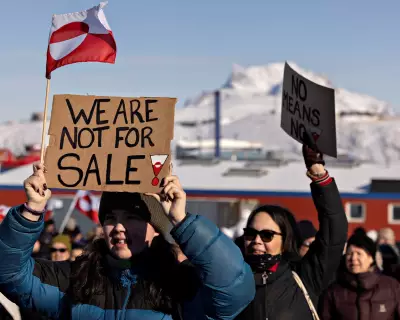
- Greenland Rejection: Greenland's government firmly rejected President Trump's reiterated desire to take control of the territory, stating it "cannot under any circumstances accept" the idea.
Other developments included threats against ExxonMobil over Venezuela, criticism of Trump's cannabis policy, and a planned nurses' strike in New York City. The US Supreme Court is also set to consider state bans on transgender athletes in a major LGBTQ+ rights case.
The confluence of events underscores an administration pursuing aggressive, unilateral policies on multiple fronts, with the situation in Iran representing one of the most volatile international flashpoints.