Trump Extends Pause on Iran Energy Strikes Amid Ongoing Negotiations
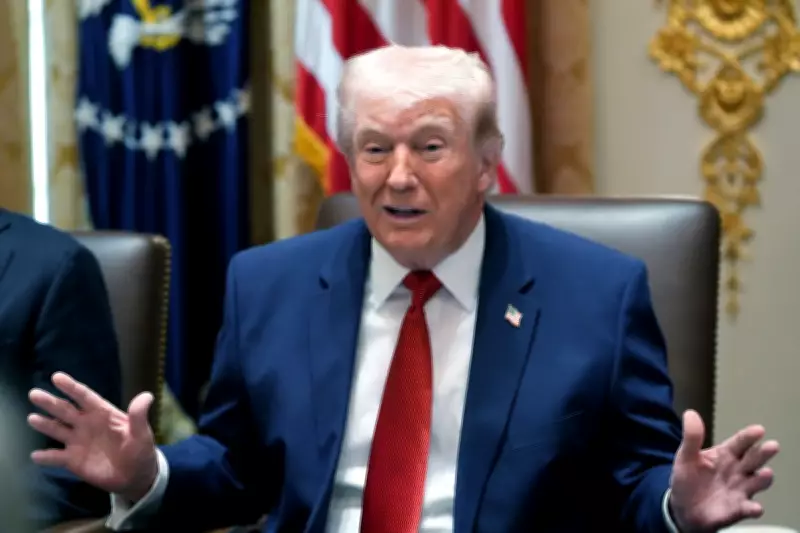
President Donald Trump has announced a 10-day extension to a threatened pause on strikes against Iran's energy facilities, stating that the move was made at Tehran's request as discussions to end the conflict are progressing positively. Initially, Trump had set a Friday deadline for Iran to engage in negotiations or face the "total destruction" of its energy infrastructure. In a post on Truth Social, he clarified that the new deadline is now 6 April, allowing more time for diplomatic efforts. "Talks are ongoing and, despite erroneous statements to the contrary by the Fake News Media, and others, they are going very well," Trump asserted. However, Tehran has publicly denied that any direct talks are taking place.
Pentagon Considers Major Troop Deployment to the Region
According to a report from The Wall Street Journal, the Pentagon is evaluating the possibility of deploying an additional 10,000 troops to the Middle East. This potential surge would likely include infantry units and armored vehicles, building upon the thousands of U.S. service members already dispatched to the area. The Trump administration is also reportedly exploring strategies to pressure Iran, such as capturing Kharg Island, the country's primary oil hub, to compel the reopening of the Strait of Hormuz. This critical waterway facilitates approximately one-fifth of the world's oil shipments.
Oil Prices React to Diplomatic Developments
In early trading, oil prices experienced a decline following Trump's announcement of the extended pause and his comments on the positive trajectory of talks with Iran. Brent futures dropped by 90 cents, or 0.8%, to $107.11 per barrel, while U.S. West Texas Intermediate futures decreased by 83 cents, or 0.88%, to $93.65 per barrel. The fall was further influenced by Trump's claim that Iran permitted 10 oil tankers to pass through the Strait of Hormuz this week as a "present" to the United States.

Political and Military Reactions to the Escalating Conflict
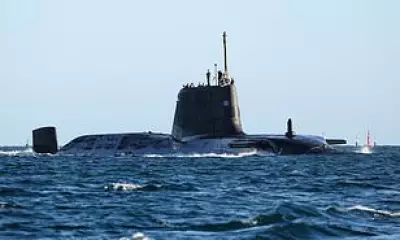
U.S. Senator Richard Blumenthal, a Democrat from Connecticut, expressed concern that Trump is leaning toward deploying ground troops in Iran. "I would say the dynamic is toward troops on the ground because the President of United States never sends armed forces to a region without some plan to use them," Blumenthal told CNN. Conversely, former Florida congressman Matt Gaetz, now a host on One America News Network, warned that a ground invasion could make the U.S. "poorer and less safe," citing potential rises in gas and food prices. Meanwhile, U.S. Central Command has released photos of military equipment used in "Operation Epic Fury," its campaign against Iran.
International and Domestic Criticisms Amidst the War
Senator John Kennedy, a Republican from Louisiana, called for an end to the conflict, stating, "It's time to come home," though he acknowledged uncertainty about mission accomplishments. On the diplomatic front, U.S. Secretary of State Marco Rubio engaged with Kurdistan Regional Government Prime Minister Masrour Barzani, expressing gratitude for enabling oil exports from Iraq and offering condolences for Peshmerga fighters killed in an Iranian missile attack. Additionally, Iran has imposed a ban on its sports teams traveling to countries deemed "hostile," affecting events like Tractor FC's scheduled football game in Saudi Arabia.
Broader Implications and Ongoing Tensions
The United Nations Security Council is set to hold a closed-door meeting to discuss U.S.-Israeli attacks on civilian infrastructure in Iran. Domestically, former U.S. Congressman Patrick Murphy criticized Trump for focusing on trivial matters, such as pens, during a Cabinet meeting while the nation is at war. As the situation evolves, with over 10,000 military targets hit since the conflict began more than three weeks ago, global markets remain on edge, and regional stability continues to be threatened by ongoing military and diplomatic maneuvers.