US President Donald Trump has announced a pause in 'Project Freedom', the American initiative to guide stranded vessels through the Strait of Hormuz, stating that he hopes to finalise a comprehensive agreement with Iran. The decision, communicated via social media, comes just days after the operation was launched, and Trump emphasised that the naval blockade of Iranian ports would remain in place.
Reasons for the Pause
Trump cited several factors for the temporary halt, including requests from Pakistan and other nations, the significant military successes achieved during the campaign against Iran, and substantial progress towards a complete and final agreement with Iranian representatives. Iran has yet to comment on these developments.
Military and Diplomatic Context
The announcement followed statements by US military leaders and Secretary of State Marco Rubio, who insisted that a ceasefire in the Middle East remains intact and that the initial major US military operation against Iran has concluded. Rubio stated, 'The operation is over. Epic Fury – as the president notified Congress – we’re done with that stage of it.' He added that for lasting peace, Iran must agree to Trump's demands regarding its nuclear programme and reopen the Strait of Hormuz.

Trump's pause appeared to contradict earlier comments from Rubio and Defence Secretary Pete Hegseth, who had reported successful securing of a path through the waterway. Hegseth noted that hundreds of commercial ships were queuing to pass, stating, 'We know the Iranians are embarrassed by this fact. They said they control the strait. They do not.' However, a cargo vessel in the strait reported being struck by an unknown projectile shortly after Rubio's press conference.
Impact on Global Economy
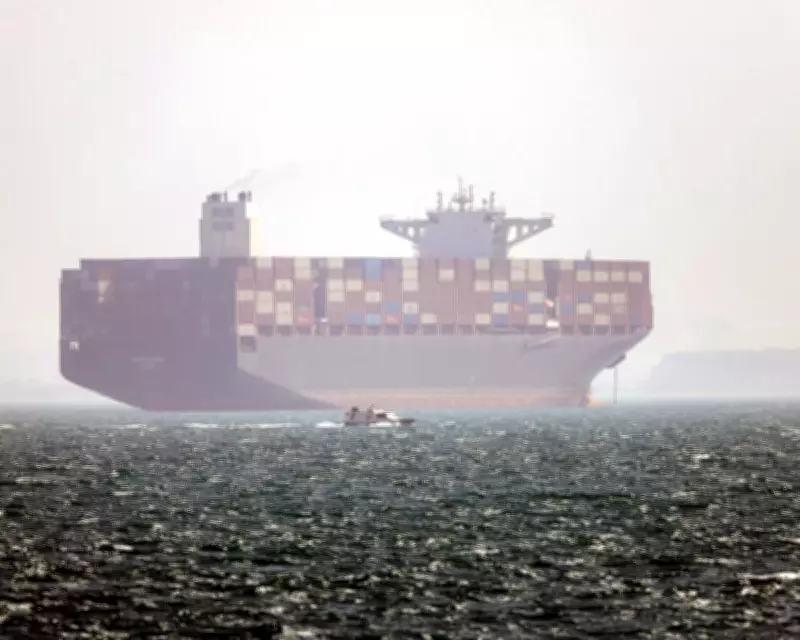
Iran's effective closure of the Strait of Hormuz has disrupted major oil and gas supplies, fertiliser, and petroleum products, causing fuel prices to surge and rattling the global economy. Only two merchant ships have passed through the US-guarded route, leaving hundreds more, carrying up to 23,000 crew members, stranded in the Persian Gulf. Breaking Iran's grip would deprive Tehran of its main leverage as Trump demands a rollback of its nuclear programme.
Regional Tensions
The United Arab Emirates reported attacks from Iranian drones and missiles for a second day, though Tehran denies these claims. US military officials described the situation as a 'quieter' day in the strait, with Hegseth insisting the ceasefire remains in place. Rubio characterised clashes with Iran as 'defensive in nature', stating, 'There’s no shooting unless we’re shot at first.'
Domestic and Political Pressures
The Trump administration faces increasing scrutiny over its framing of the conflict due to the War Powers Resolution, which requires presidential approval for military activities within 60 days. A senior official claimed the US had 'terminated' hostilities with Iran since the 8 April ceasefire. Rising gasoline prices, with the national average exceeding $4.50 per gallon for the first time since July 2022, pose additional challenges for Republicans ahead of midterm elections.
Iran's Position
Iran's parliament speaker and chief negotiator, Mohammad Bagher Qalibaf, indicated that Tehran has yet to fully respond to US efforts to reopen the waterway. He stated, 'We know full well that the continuation of the status quo is intolerable for America; while we have not even begun yet.' Negotiations with the US are reportedly being conducted via Pakistan. Iran disputed US claims of sinking six boats, reporting that two small civilian cargo vessels were hit, killing five civilians.
General Dan Caine, chairman of the Joint Chiefs of Staff, confirmed that over 100 US military aircraft are patrolling the Strait of Hormuz. The US naval blockade of Iranian ports, in place since 13 April, aims to deprive Tehran of oil revenue. Hapag-Lloyd AG, a major container shipping company, stated that transits through the strait remain impossible for its ships. Torbjorn Soltvedt, a principal Middle East analyst at Verisk Maplecroft, noted that shipping and insurance companies are waiting to see how the situation unfolds.