Trump Rejects Netanyahu's Call for US-Backed Iranian Revolution
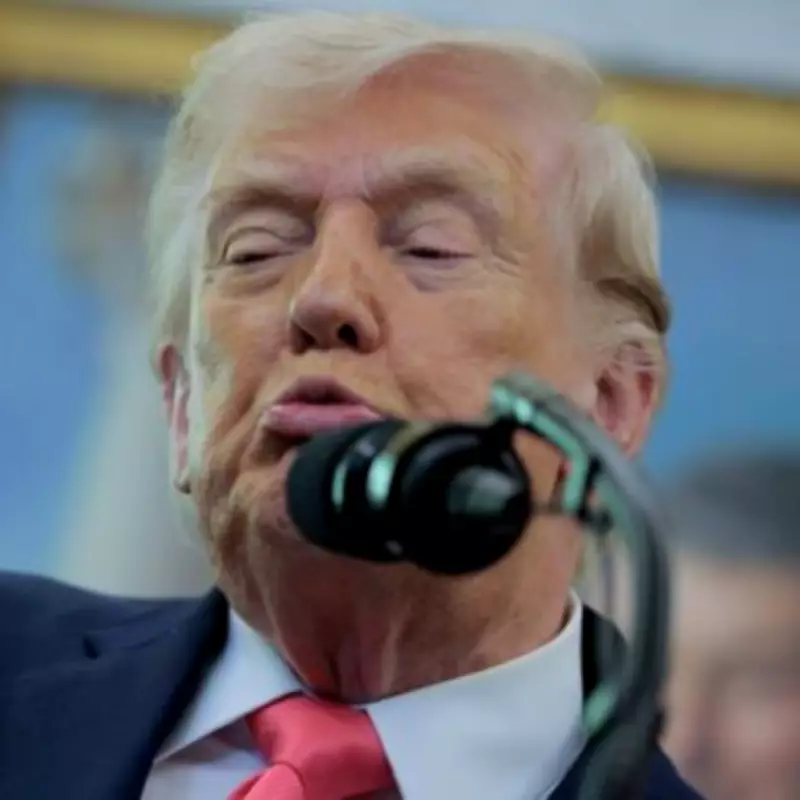
US President Donald Trump has firmly rejected Israeli Prime Minister Benjamin Netanyahu's suggestion for the United States to encourage a street uprising against the Iranian regime. During a telephone conversation last week, Trump pushed back hard against the idea, voicing fears of a bloodbath following thousands of Iranian deaths in previous demonstrations.
"Why the Hell Should We Do That?"
According to reports, Trump told Netanyahu: "Why the hell should we tell people to take to the streets when they'll just get mowed down?" This exchange occurred after the death of Iran's security chief Ali Larijani in an Israeli strike last Tuesday. Netanyahu had informed Trump that an opportunity existed for revolution as the regime was in disarray, but Trump remained unconvinced.
The contrasting viewpoints highlight a rift emerging between the two leaders, with Washington creating distance from Jerusalem regarding regime change. While Trump continues discussing a peace agreement, reports suggest Netanyahu has covertly advocated for a 48-hour assault on Iran's most critical targets.

Secret Meeting and War Objectives
Netanyahu convened a clandestine meeting in a bunker beneath Tel Aviv on Tuesday after learning of Trump's 15-point peace proposal. He and senior military advisers expressed concerns that the US plan fell short in restricting Tehran's military capabilities. Israeli officials described the atmosphere as 'tense'.
Netanyahu's closest advisers are said to seek three principal war objectives:
- Destroying Iran's ballistic-missile arsenal
- Preventing Tehran from developing a nuclear warhead
- Creating conditions within Iran for citizens to topple the Islamic regime
Boaz Bismuth, a member of Netanyahu's party, stated: "If you do not obtain the three objectives, you will not be able to end the war." In contrast, the White House has outlined four official aims that make no mention of regime change:
- Destroy Iran's missiles
- Neutralize Iran's navy
- Disarm Iran's armed proxies
- Eliminate Iran's nuclear capabilities
Military Deployment and Diplomatic Stalemate
Last night, Pentagon chiefs deployed 2,000 troops from the 82nd Airborne Division to the Middle East to join 4,500 Marines already heading there. A Trump aide told Axios: "Trump has a hand open for a deal, and the other is a fist, waiting to punch you in the face."
The US President's peace plan, modelled on his Gaza agreement, requires Iran to:
- Dismantle all nuclear and long-range missile capabilities
- Ensure the Strait of Hormuz remains open
- Renounce proxy terror groups
This was flatly rejected by Iran, as announced on Iranian state TV on Wednesday. Tehran demanded:
- Closure of all US bases in the Gulf
- Reparations for damages
- A halt to Israeli strikes in Lebanon
- Control over the Strait of Hormuz to levy transit fees
A Trump official dismissed these demands as 'ridiculous' and 'unrealistic', warning that a deal is now more difficult to achieve than at the start of the war due to the potential for a ground invasion.
Indirect Communications and Festival Monitoring
The US and Iran have not been in direct contact but have instead communicated via Middle Eastern intermediaries from Egypt, Turkey, and Pakistan. Meanwhile, Trump and Netanyahu agreed to monitor whether Iranians would take to the streets during the annual festival of fire without any prompting.
Netanyahu declared on television: "Our aircraft are striking terrorist operatives. This is meant to allow the brave Iranian people to celebrate the festival of fire. So go out and celebrate, we are watching from above." This statement underscores the ongoing tension between encouraging resistance and avoiding direct provocation that could lead to massive casualties.