Trump's Top Counterterrorism Official Resigns in Dramatic Protest Over Iran Conflict
In a stunning move that has sent shockwaves through the Trump administration, Joe Kent, the director of the National Counterterrorism Center, submitted his resignation on Tuesday. Kent stepped down in direct protest against the ongoing war with Iran, delivering a scathing critique that accuses Israel of exerting pressure to draw the United States into a conflict he describes as founded on lies.
Secret Plans Confided to Political Ally JD Vance Before Resignation
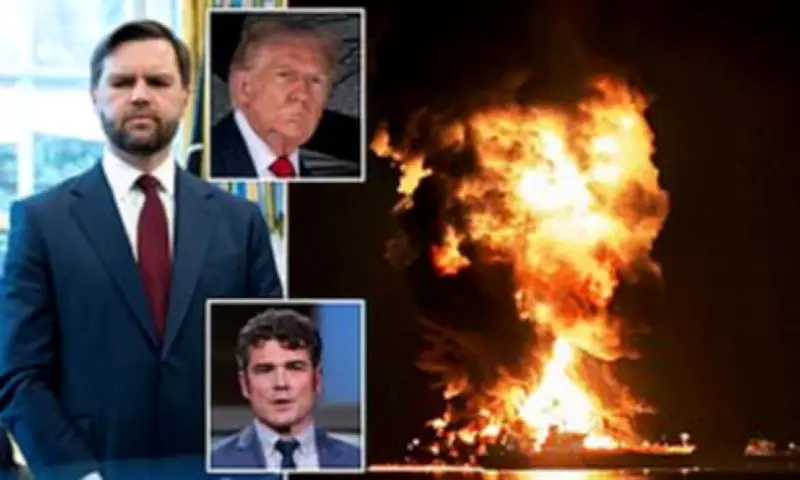
Before making his dramatic exit, Kent secretly confided his intentions to resign to his closest political ally, Senator JD Vance. This confidential disclosure occurred as Kent prepared to publicly discredit President Trump's decision to engage militarily with Iran. Kent, a known non-interventionist, argued that the President had abandoned the principles he championed during his campaign, succumbing instead to external influences.
Kent's resignation letter was presented to the Vice President a full twenty-four hours prior to his official departure from the administration. According to reports from the Washington Post, Tulsi Gabbard was also present during Kent's in-person resignation meeting with Vance, highlighting the political alliances at play. It remains unclear whether Vance alerted other administration members about Kent's plan to use his resignation as a platform to criticize the war effort.
Allegations of Israeli Pressure and American Lobby Influence
In his resignation statement, Kent made explosive claims, asserting that Trump's decision to strike Iran was driven by pressure from Israel and its powerful American lobbying groups. "I cannot in good conscience support the ongoing war," Kent declared, emphasizing his moral objections to a conflict he believes is built on deceptive premises. He further accused the President of reneging on promises to avoid foreign entanglements, marking a significant breach of trust within the administration's national security apparatus.
White House Response and Internal Dynamics
A White House official commented on the situation, revealing that the Vice President encouraged Kent to discuss his concerns with the White House chief of staff and President Trump before finalizing his decision. "The VP encouraged him to be respectful to POTUS," the official stated, indicating an attempt to manage the fallout internally. However, Kent proceeded with his resignation, opting to voice his dissent publicly rather than through private channels.
This incident underscores deepening divisions within the Trump administration over foreign policy, particularly regarding Middle East engagements. Kent's departure not only highlights personal convictions but also reflects broader tensions between interventionist and non-interventionist factions. As the administration grapples with this high-profile resignation, questions linger about the impact on US-Iran relations and the credibility of the war's justification.