Trump-Starmer Alliance in Crisis as UK Refuses Iran Strikes
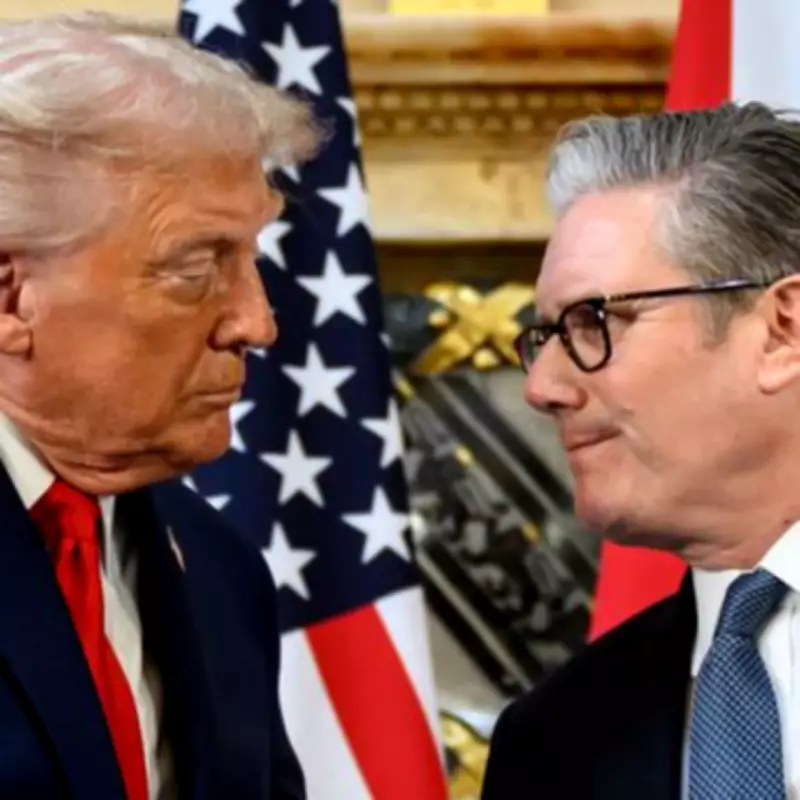
The special relationship between the United States and the United Kingdom is under unprecedented strain this week, with tensions escalating sharply after Britain refused to participate in the initial wave of US-Israeli military strikes against Iran. President Donald Trump has launched a series of public attacks on Prime Minister Keir Starmer, most notably dismissing him by declaring, "this is not Winston Churchill that we're dealing with." This remark, made to reporters at the White House on Tuesday, underscores the deepening rift between the two leaders.
Military Refusal Sparks Diplomatic Firestorm
The conflict erupted over the weekend when Prime Minister Starmer declined to allow the use of British military bases for offensive bombing raids targeting Iran. However, in a nuanced compromise on Sunday, Starmer agreed to permit American forces to utilize Diego Garcia in the Indian Ocean and RAF Fairford for defensive purposes, specifically to target Iran's missile sites. This decision followed retaliatory strikes by Tehran against Israel and several Gulf nations.
President Trump expressed visible frustration with this arrangement, particularly referencing Diego Garcia. He complained about logistical delays, stating, "That island... It's taken three, four days for us to work out where we can land there, it would have been much more convenient landing there as opposed to flying many extra hours, so we are very surprised." This public criticism marks a significant departure from the previously cultivated rapport between the two leaders.

From "Trump Whisperer" to Diplomatic Standoff
Initially, Keir Starmer worked diligently to foster strong ties with Donald Trump ahead of the President's second term in office. Capitalizing on Trump's personal connections to the UK—where his mother was born—and his admiration for the Royal Family, Starmer surprised many diplomats by establishing a seemingly solid relationship. Last year, the Prime Minister even positioned himself as a "Trump whisperer," aiming to serve as a crucial bridge between Europe and the United States, especially regarding the ongoing war in Ukraine.
However, tensions have been mounting since the start of the year as Trump's unpredictable foreign policy continues to disrupt the established global order. Starmer has drawn clear boundaries, opposing Trump's controversial desire to annex Greenland, a semi-autonomous territory of Denmark and a NATO ally. Additionally, the Prime Minister publicly corrected Trump's inaccurate claims that NATO forces "stayed a little off the frontlines" during the Afghanistan conflict, further straining their dialogue.
Legal and Strategic Divisions Over Iran
The situation with Iran has exacerbated these existing fractures. President Trump appears increasingly angered by his inability to pressure the UK into joining the US-Israeli strikes. While Starmer has authorized the use of British bases for defensive operations against Iranian missile sites, he has explicitly questioned the legal justification for broader offensive actions. This stance reflects a principled divergence in foreign policy approaches, with Starmer emphasizing international law and cautious military engagement.
Observers note that Trump's characteristic aversion to being thwarted has led to a barrage of criticisms directed at Starmer, with attacks becoming more frequent and intense. The Prime Minister's refusal to fully align with US strategy on Iran represents a significant test of the so-called special relationship, a diplomatic bond long cherished by politicians on both sides of the Atlantic.
Future of US-UK Relations in Question
As diplomatic spats multiply, the core question remains: is the relationship between Donald Trump and Keir Starmer beyond repair? The current crisis highlights broader challenges in US-UK cooperation, from military alliances to geopolitical strategy. With Trump's erratic leadership style clashing against Starmer's more measured, legalistic approach, the path to reconciliation appears fraught with obstacles. The outcome of this standoff could redefine the special relationship for years to come, impacting everything from NATO cohesion to joint efforts in global conflicts.