Trump Escalates Rhetoric with NATO Withdrawal Threat and UK Criticism
Donald Trump has dramatically intensified his criticism of Britain, openly threatening to withdraw the United States from the NATO alliance. The former President dismissed the Western military pact as a "paper tiger" and declared that America leaving it is now "beyond reconsideration."
Personal Attacks on UK Leadership and Military
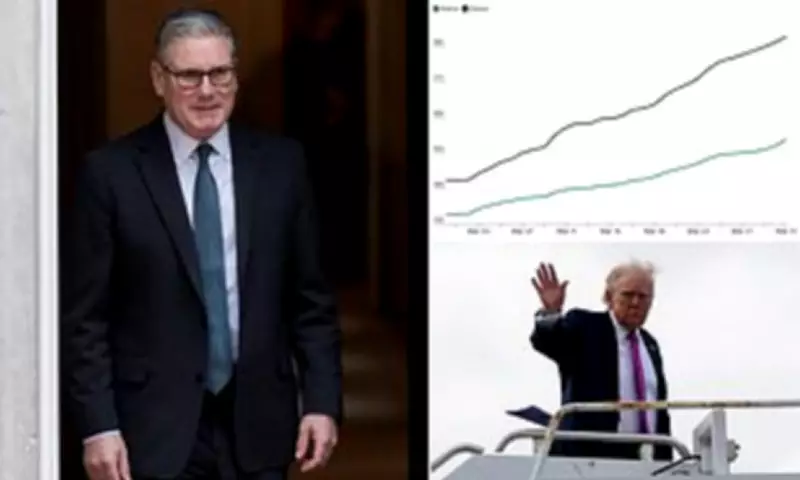
In a series of provocative statements, Trump claimed the United Kingdom "doesn't even have a navy" and accused Prime Minister Keir Starmer of being preoccupied with building "windmills" rather than addressing serious geopolitical concerns. These comments represent a significant escalation in Trump's long-standing criticism of NATO members' defense spending.
At a Downing Street press conference, Sir Keir responded by emphasizing that Iran's conflict "is not our war" and presenting himself as providing "calm leadership" during turbulent times. The Prime Minister is updating the nation on the government's response to both Trump's remarks and the broader Middle East crisis.

Economic Concerns Amidst Regional Conflict
The Prime Minister highlighted that the energy price cap is currently keeping domestic bills down for the next three months. However, Business Secretary Peter Kyle, while touring broadcast studios to insist there are no immediate fuel shortages, acknowledged concerning rises in pump prices that have alarmed consumers.
Within government circles, there are growing calls to better prepare the public for potential economic challenges ahead. Fears are mounting about possible shortages as Iran maintains its blockade on the strategically vital Strait of Hormuz, through which approximately one-fifth of global oil supplies typically flow.
Broader Economic Implications
The blockade has created significant knock-on effects for various industries, including fertilizer and aluminum production. The food industry has raised alarms about inflation potentially reaching double digits by year's end, while Ryanair's chief executive has suggested jet fuel supply issues could emerge as early as next month if the conflict persists.
One minister revealed to the Daily Mail that the government should provide advice similar to recent International Energy Agency recommendations, including driving at 55 mph, working from home more frequently, and reducing non-essential travel. "We need to help nudge people toward things they can do to cut down on fuel use and energy bills," the minister stated.
Government's Internal Debate on Public Communication
A Whitehall source indicated there is an active debate within government about when and how to level with the public about the looming economic crisis. "There is a balance to be struck between not freaking people out completely and preparing them for what is coming," the source explained, adding uncertainty about the duration and severity of the impact.
Families with 55-litre diesel cars now face paying over £100 at the pump for the first time since December 2022. Chancellor Rachel Reeves has downplayed prospects for a fuel duty cut, emphasizing that any financial assistance would target poorer households rather than middle earners.
Supply Chain and Medical Concerns
Business Secretary Kyle addressed concerns about medicine supplies after NHS England chief executive Sir Jim Mackey expressed specific worries about certain live medicines. Kyle clarified that Mackey's concerns were limited to "one very specific medicine type" rather than all NHS medications.
Ryanair's Michael O'Leary warned that if the conflict continues, Europe could face jet fuel supply disruptions by May or June. "We hope the war will finish sooner than that and the risk to supply will be eliminated," he told Sky News.
Trump's Controversial Suggestions
On his Truth Social platform, Trump suggested that countries like the UK that didn't participate in strikes against Iran should secure the Strait of Hormuz themselves. "You'll have to start learning how to fight for yourself, the U.S.A. won't be there to help you anymore," he wrote, while also recommending they purchase fuel from the United States.

Government Response and Energy Market Developments
Sir Keir has faced pressure from opposition figures to address the cost of living crisis more aggressively. The Prime Minister marked the start of April by emphasizing his government's duty to protect British citizens "in an uncertain and volatile world."
While the Ofgem price cap has fallen by 7% to £1,641 annually, energy analyst Cornwall Insight predicts it could rise to £1,929 from July to September—an 18% increase. Average diesel prices have reached 182.8p per litre, adding over £100 to fill a typical family car.
In a contrasting diplomatic note, Trump expressed enthusiasm about an upcoming "historic state visit" by King Charles and Queen Camilla scheduled for April 27-30, calling it "TERRIFIC!" The White House also announced Trump will deliver a public address updating Americans on the Middle East conflict.