Trump Warns Iran 'Cannot Blackmail US' Amid Strait of Hormuz Tanker Attack
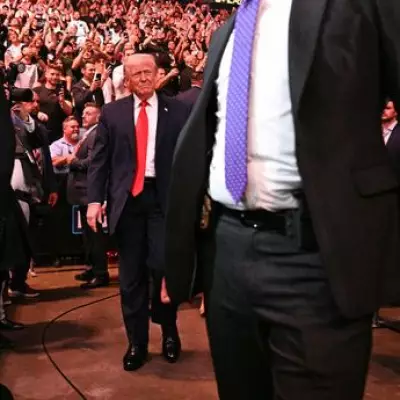
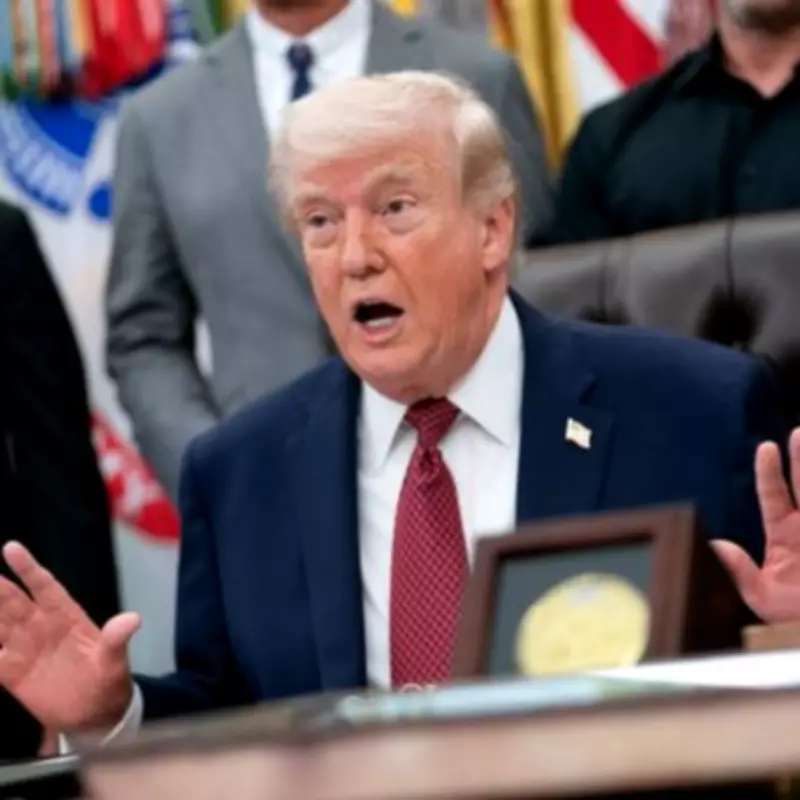
Donald Trump has issued a stark warning to Iran, declaring "you cannot blackmail us" over the critical Strait of Hormuz, as tensions flare following an Iranian attack on a tanker attempting to navigate the vital oil shipping lane this morning. The former president made these remarks during an Oval Office event focused on signing an executive order to boost research into psychedelic drugs for mental health treatment, but he pivoted sharply to address the escalating geopolitical standoff.
Iran's Reversal and Military Action
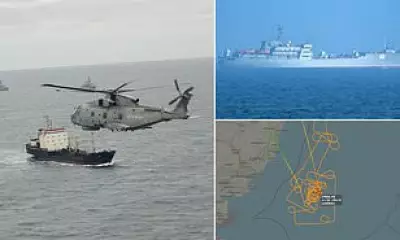
Iran has rowed back on its decision to reopen the Strait of Hormuz, a crucial chokepoint through which roughly one-fifth of the world's oil passes, and instead fired on a tanker transiting the waterway. The United Kingdom Maritime Trade Operations centre reported that two gunboats from Iran's Revolutionary Guard opened fire, though the tanker and crew were confirmed safe. According to TankerTrackers.com, vessels, including an Indian-flagged super tanker, were forced to turn around after being targeted by Iranian forces.
Iran's joint military command stated on Saturday that "control of the Strait of Hormuz has returned to its previous state ... under strict management and control of the armed forces." This move comes after Tehran had briefly reopened the strait to commercial vessels on Friday, a decision that coincided with a 10-day truce between Israel and the Iranian-backed Hezbollah militant group in Lebanon appearing to hold.

Trump's Tough Stance and Negotiations
Speaking about the conflict, Trump asserted that negotiations were "working out very well" and teased that more information would emerge by the end of the day. He downplayed Iran's military capabilities, stating, "They have no Navy, they have no Air Force, they have no leaders, they have no nothing. Actually their leaders it is regime change. You call that enforced regime change. But we're talking to them."
Trump emphasized the US's firm position, noting that Iran "wanted to close up the strait again as they have been doing for years, but they cannot blackmail us." He also highlighted that many ships are now rerouting to Texas and Louisiana, suggesting a potential adaptation in global shipping patterns. However, he did not take any questions from the media on the conflict, leaving details of the negotiations unclear.
Global Implications and Ceasefire Efforts
The confusion over the Strait of Hormuz threatens to deepen the ongoing energy crisis, potentially driving oil prices higher and exacerbating economic turmoil worldwide. Iran has warned that it will continue to block transit through the strait as long as the US blockade of Iranian ports remains in effect. Trump has maintained that the blockade "will remain in full force" until Tehran reaches a comprehensive deal with the US, including on its nuclear program.
Despite the escalation, Pakistani officials indicate that the United States and Iran are still moving closer to a deal ahead of the April 22 ceasefire deadline. The conflict has resulted in significant casualties, with at least 3,000 people killed in Iran, nearly 2,300 in Lebanon, 23 in Israel, and more than a dozen in Gulf Arab states, along with thirteen US service members.
As mediators express confidence that a new agreement is within reach, the situation remains volatile, with the potential for renewed conflict looming over the critical waterway.