Trump's Landmark China Trip Postponed to May Following Iran Conflict
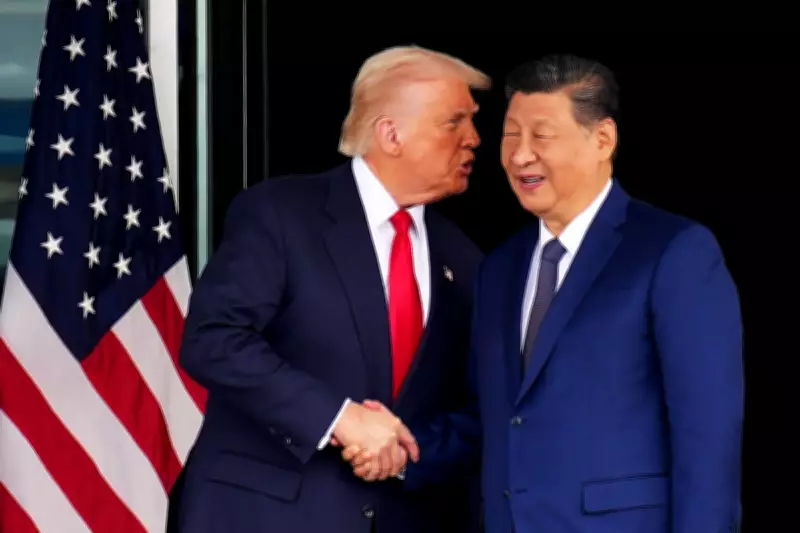
US President Donald Trump has officially confirmed that his highly anticipated state visit to China will now take place on 14-15 May, a delay of more than a month from the original schedule. The postponement was necessitated by the ongoing joint military campaign conducted by the United States and Israel against Iran, which has demanded the president's sustained attention.
A Diplomatic Rescheduling Amidst Global Tensions
Initially planned for 31 March, the visit was pushed back as Washington prioritised combat operations in the Middle East. In a statement on his Truth Social platform, Mr Trump expressed his eagerness for the forthcoming meeting with Chinese leader Xi Jinping, describing it as a "Monumental Event." He also revealed that President Xi is expected to make a reciprocal visit to Washington later this year.
White House spokesperson Karoline Leavitt provided context for the delay, noting that President Xi "understood that it's very important for the president to be here throughout these combat operations right now." When questioned about the timeline for the Iran conflict, Ms Leavitt indicated that Washington's estimates suggested a duration of four to six weeks, implying operations may conclude around the time of the rescheduled visit.

The Iran Conflict: Catalyst for Delay
The military engagement that prompted this diplomatic reshuffle began on 28 February, when the US and Israel launched extensive airstrikes targeting Iran. These operations resulted in the death of Supreme Leader Ayatollah Khamenei, along with several family members and key political and military figures. Iran's retaliation included attacks on Israel and American interests across the Gulf region, coupled with the strategic closure of the Strait of Hormuz.
This blockade of a critical maritime trade route has triggered a global fuel crisis, adding economic urgency to the geopolitical situation. Mr Trump had previously informed reporters that he was delaying the Beijing trip by "five or six weeks," asserting that China was "fine with it." However, Beijing has yet to formally confirm the new dates, with its foreign ministry stating earlier this month that discussions with Washington were ongoing.
Strained Relations and New Complexities
The postponement introduces additional complexity to the already fraught relationship between the United States and China. Tensions have been mounting over trade disputes, technological competition, and broader geopolitical rivalries. In a significant development in February, the US Supreme Court overturned many of Mr Trump's emergency tariffs, diminishing a key leverage point ahead of what were intended to be trade-focused discussions.
The joint war with Israel against Iran has further strained ties with Beijing, given China's role as Tehran's primary oil buyer. Data indicates that China imported approximately 12 million barrels per day of Iranian oil in the first two months of this year. Following Iran's closure of the Strait of Hormuz, Mr Trump sought China's assistance in reopening the waterway, a request that was ultimately rebuffed.
The Chinese foreign ministry emphasised the "irreplaceable" role of head-of-state diplomacy in guiding bilateral relations but did not directly address the appeal regarding the strait. In a conciliatory gesture ahead of the visit, Chinese state media outlet Global Times published an editorial describing the prolonged absence of a US presidential trip as "abnormal and shouldn’t be the case," advocating that "both China and the US stand to gain from cooperation and lose from confrontation."
Historical Context and Future Prospects
The upcoming visit will mark the first by a US president to China in almost a decade, with the last occurring in November 2017 during Mr Trump's first term. The two leaders most recently met in November at the Apec summit in South Korea. As global attention turns to the rescheduled May dates, the diplomatic encounter is poised to be a critical juncture in navigating the multifaceted challenges defining US-China relations amidst ongoing international conflicts.