Trump's Iran War: A Predictable Disaster Unfolds Amid Global Chaos
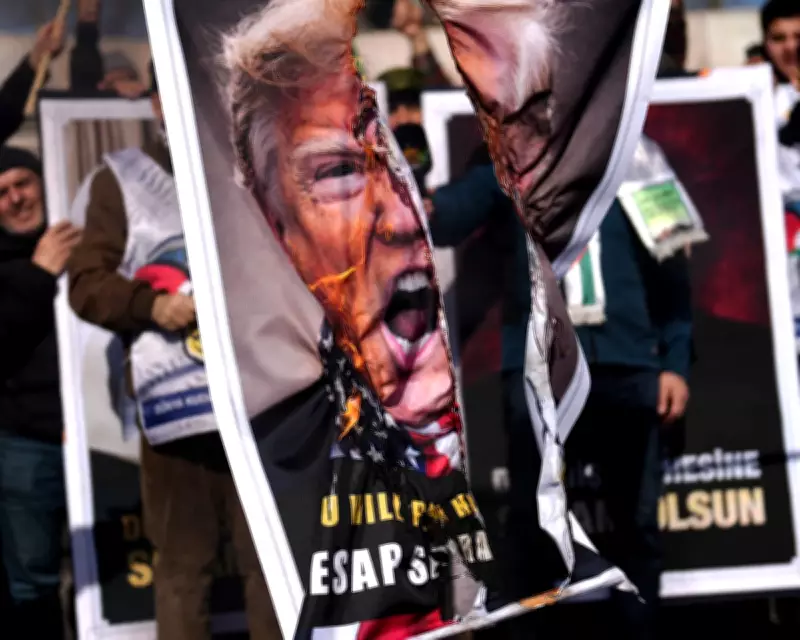
In Istanbul on 13 March 2026, protesters burned an image of Donald Trump, symbolising widespread anger against the US and Israel over their escalating conflict with Iran. This act underscores the deepening global tensions as the war enters its third week, with mounting evidence that it has worsened the very problems it purported to solve.
Examining the War's Stated Aims
Advocates of the US-Israel military campaign against Iran argue it has two primary objectives. Firstly, to weaken or remove a regime accused of brutalising its own people, including reports of massacring 30,000 citizens in early January. Many exiled Iranians, having exhausted peaceful avenues for change, view external intervention as a last resort. Secondly, the war aims to curb Iran's ability to threaten neighbours, particularly Israel, by dismantling its ballistic and nuclear capabilities and targeting proxies like Hezbollah.
However, these goals are muddled by inconsistent messaging from the Trump administration, which has shifted daily between demands for regime change and nuclear disarmament. Despite this, if we accept these aims as legitimate, the critical question remains: is the war effective?

Regime Change: A Flawed Strategy
History offers little optimism for achieving regime change through air power alone. Past US interventions in the Middle East, such as Iraq in 2003 and Libya in 2011, often led to prolonged chaos rather than democracy. Iran's entrenched Islamic Republic apparatus, with nearly half a century of consolidation, is resilient to simple removal. Experts warn that eliminating top leaders would merely result in internal replacements, as seen with the continuity in supreme leadership.
For ordinary Iranians, the situation has deteriorated. The regime now labels protesters as foreign agents, justifying lethal crackdowns, while internet shutdowns and security force brutality stifle dissent. Despite calls from figures like Benjamin Netanyahu for public uprising, practical barriers make such mobilisation nearly impossible.
Regional Threats: Escalation Over Reduction
The war's second goal of reducing Iran's regional threat has backfired. While US and Israeli forces have destroyed military hardware, Iran has demonstrated increased power by closing the Strait of Hormuz, disrupting global oil supplies and exacerbating economic instability. This move benefits Vladimir Putin, as rising energy prices and lifted sanctions on Russian oil bolster his war efforts in Ukraine.
Iran has directly attacked Gulf states, exposing their vulnerabilities and potentially prompting a strategic realignment away from US and Israeli alliances. Moreover, if the regime survives, it may accelerate nuclear pursuits, adopting a North Korea-like deterrent strategy.
Reckless Leadership and Global Consequences
The war's risks were foreseeable, yet leaders proceeded heedlessly. Netanyahu, facing elections and long obsessed with Iran, prioritises military strikes over diplomacy. Trump, meanwhile, has shown a lack of clear objectives, planning, and accountability, exemplified by false claims about strikes on civilian targets and the dissemination of sensationalised war footage.
His administration, including a secretary of war described as irresponsible, operates with a cavalier attitude towards grave responsibilities. This recklessness has turned a volatile situation into a full-blown crisis, deserving not charitable assessment but outright condemnation for its human and geopolitical toll.