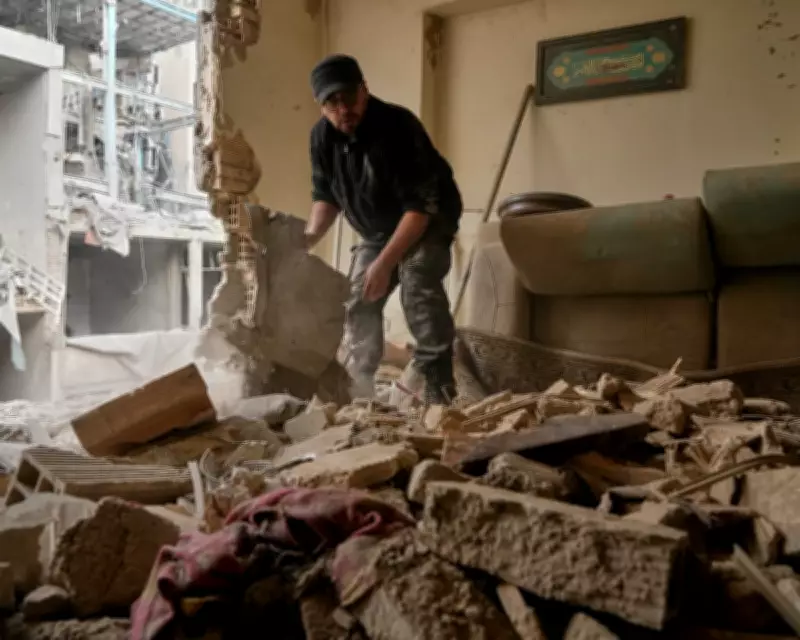
Former President Donald Trump's potential military conflict with Iran has been sharply criticized by experts and analysts, who argue that such actions lack both ethical and legal foundations. This development has sparked widespread international concern, with many warning of severe consequences for global stability and human rights.
Ethical and Legal Scrutiny Intensifies
In recent assessments, legal scholars and ethicists have highlighted that any war initiated by Trump against Iran would violate established international norms. They point to principles of just war theory, which require a legitimate cause and proportionality, criteria they claim are absent in this scenario. The absence of a clear, imminent threat from Iran further undermines the ethical justification for military engagement.
Global Reactions and Diplomatic Fallout
Diplomatic circles worldwide have expressed alarm over the prospect of a Trump-led war with Iran. Allies and adversaries alike are monitoring the situation closely, fearing it could destabilize the Middle East and trigger broader conflicts. The potential for civilian casualties and humanitarian crises adds to the ethical dilemmas, with human rights organizations urging restraint and adherence to international law.

Historically, U.S. military actions have faced scrutiny under international law, but experts note that Trump's approach appears particularly contentious. They cite past instances where unilateral interventions led to prolonged conflicts and legal challenges, suggesting a similar outcome if war with Iran proceeds.
Implications for U.S. Foreign Policy
The debate over Trump's Iran war plans has significant implications for U.S. foreign policy and its global standing. Critics argue that pursuing such a conflict could erode trust in American leadership and complicate diplomatic relations. Moreover, it raises questions about the role of executive power in authorizing military force without congressional approval or international consensus.
As discussions continue, the focus remains on preventing escalation and exploring peaceful alternatives. The international community is calling for dialogue and de-escalation, emphasizing the need for solutions that uphold ethical standards and legal frameworks.