
President Donald Trump is forging a controversial new path in international relations, defined by a series of stark threats and demands directed at both longstanding allies and traditional adversaries. This aggressive posture, aimed at projecting American power, marks a significant departure from his earlier non-interventionist rhetoric and risks destabilising key global alliances.
A Scattergun Approach to Diplomacy
Since returning to the White House last year, Trump's naked imperialist ambitions have come into sharp focus. His administration has pursued a scattergun diplomatic strategy, making startling claims and threats against numerous nations. This includes openly discussing the annexation of Greenland, which he described as "psychologically important for me," and threatening to retake control of the Panama Canal from the Central American nation.
This represents a complete reversal from his campaign promise to end America's foreign wars. Instead, his tenure has seen military strikes in Syria, Iran, and Nigeria, alongside direct intervention in Venezuela with the stated aim of extracting its oil resources. The approach appears willing to burn through diplomatic capital with allies in pursuit of a more dominant US position in the Western Hemisphere and beyond.
Targets of Trump's Threats
The list of nations facing pressure from the Trump administration is extensive and spans the globe.
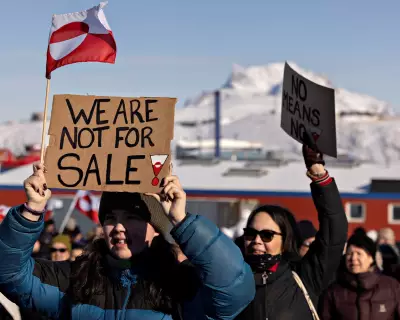
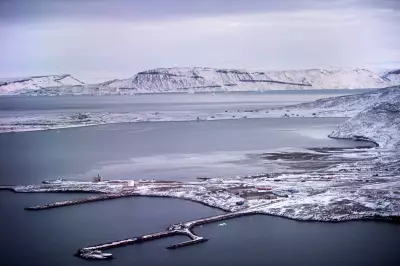
Greenland and Denmark have been primary targets. Despite possessing existing military and resource extraction rights on the island, Trump has insisted Greenland is vital to US national security, stating it would become American "one way or another." The Danish government and Greenlanders have consistently rejected any sale, vowing to defend the territory. EU Defence Commissioner Andrius Kubilius warned that any US attack on Greenland would mean the end of NATO, as members would be compelled to defend Denmark.
In Latin America, the threats are multifaceted. Trump told Cuba's Communist leaders to "make a deal" or face consequences, cutting off Venezuelan oil shipments to the island. He warned Colombian President Gustavo Petro to "watch his a**", accusing the country of facilitating drug trafficking, and ordered a US naval blockade off Venezuela's coast. He has also repeatedly lashed out at Mexico over drug cartels, though President Claudia Sheinbaum has firmly rejected any US military action on Mexican soil.
The international shakeup extends to the Panama Canal. Trump has threatened to "take back" the vital shipping lane, which was handed over to Panama by President Jimmy Carter in 1999, baselessly accusing China of dominating it.
Broader Implications and Reactions
The ramifications of this confrontational US diplomacy are profound. Allies in Europe are alarmed, with the Greenland issue directly challenging NATO's foundational principles of collective defence. In the Americas, nations are unifying against what they perceive as a return to gunboat diplomacy and American colonialism.
Trump has also maintained pressure on Iran, stating the US is "locked and loaded" amid internal protests, and previously authorising strikes on suspected nuclear sites. While the strategy aims to assert dominance, it has fostered widespread instability and condemnation, positioning the United States in direct opposition to the sovereignty claims of multiple nations and testing the limits of the international order.