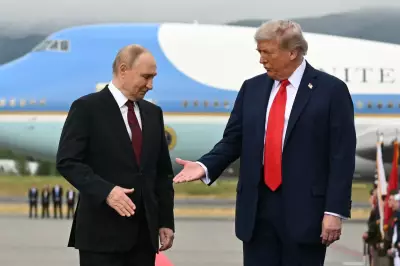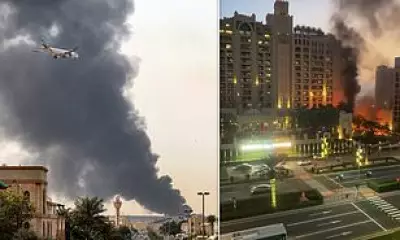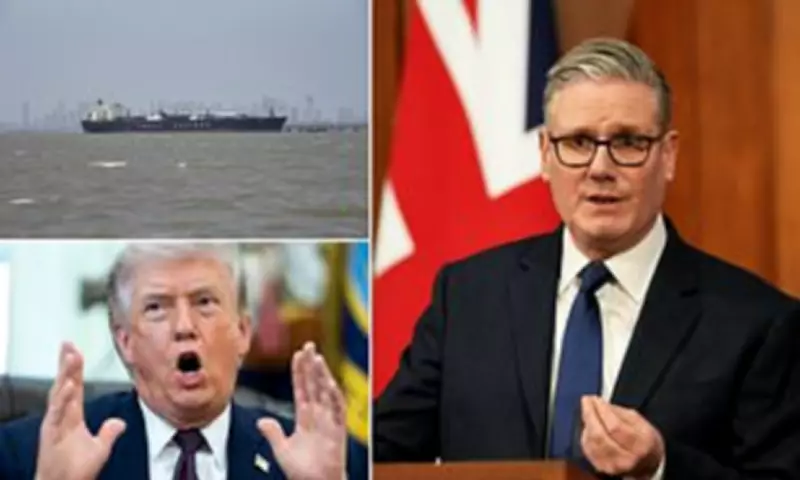
Britain is set to host a crucial meeting of 35 nations aimed at reopening the Strait of Hormuz to tanker traffic, it was revealed today. This development comes just hours after former US President Donald Trump told allies to 'go get their own oil', highlighting the geopolitical tensions surrounding the vital waterway.
Diplomatic Efforts to Address the Crisis
Foreign Secretary Yvette Cooper will lead the international gathering tomorrow to 'assess all viable diplomatic and political measures' for reopening the strait, as announced by Prime Minister Keir Starmer this morning. The Strait of Hormuz is a critical chokepoint for global oil shipments, with Iran's current stranglehold causing oil and gas prices to soar worldwide, including significant increases in the UK.
Trump's Shifting Stance on the Strait
Donald Trump has previously indicated a willingness to end military operations without reopening the strait, even urging the UK and other allies to 'go get your own oil' in protest over insufficient support for US-Israeli bombing campaigns. However, in a notable U-turn this morning, Trump posted on Truth Social that reopening the Strait of Hormuz is now his primary demand to cease bombing, adding complexity to the diplomatic landscape.

International Participation and Strategic Plans
According to a British government statement, countries including France, Germany, the Netherlands, Italy, Japan, Australia, South Korea, Canada, and the United Arab Emirates will attend the talks. A British official outlined that the initial phase will focus on mine-hunting operations, followed by a second phase dedicated to protecting tankers navigating the area. Military planners are considering how to make the strait 'accessible and safe' post-conflict, though this is not expected to involve deploying Royal Navy warships for policing duties.
Impact on UK Fuel Prices and Economic Measures
The blockade has led to sharp rises in fuel costs across the UK. The RAC reported that the average price of a litre of diesel has increased by 29 per cent to 184.2p since the war began on February 28, with petrol up 16 per cent to 153.7p. In response, the AA advised drivers to reduce their speed by 10 per cent to improve fuel efficiency amid mounting motoring expenses.
Chancellor Rachel Reeves emphasized caution with national finances to avoid exacerbating inflation, interest rates, and government borrowing costs. She stated on BBC Breakfast that promising to alleviate every price increase would be dishonest, as it could lead to higher inflation and taxes in the future. Fuel duty remains frozen until September, with a scheduled rise under review due to the high prices, while other nations like Australia have already implemented measures to mitigate the impact on drivers.
Ongoing Military Operations and Security Concerns
Meanwhile, RAF Regiment gunners successfully shot down more than 10 Iranian drones overnight. UK Typhoon and F-35 jets, along with Wildcat helicopters, continue defensive missions in Cyprus, Jordan, Bahrain, Qatar, and the United Arab Emirates, underscoring the region's volatile security situation.
Future Steps and Working-Level Discussions
Following the high-level talks, a series of working-level meetings are expected to address the detailed logistics of reopening the strait. The passage, through which a fifth of the world's oil is shipped, remains blocked, posing ongoing challenges for global energy markets and international diplomacy.