UK Security Adviser Attended US-Iran Talks and Judged Deal Within Reach
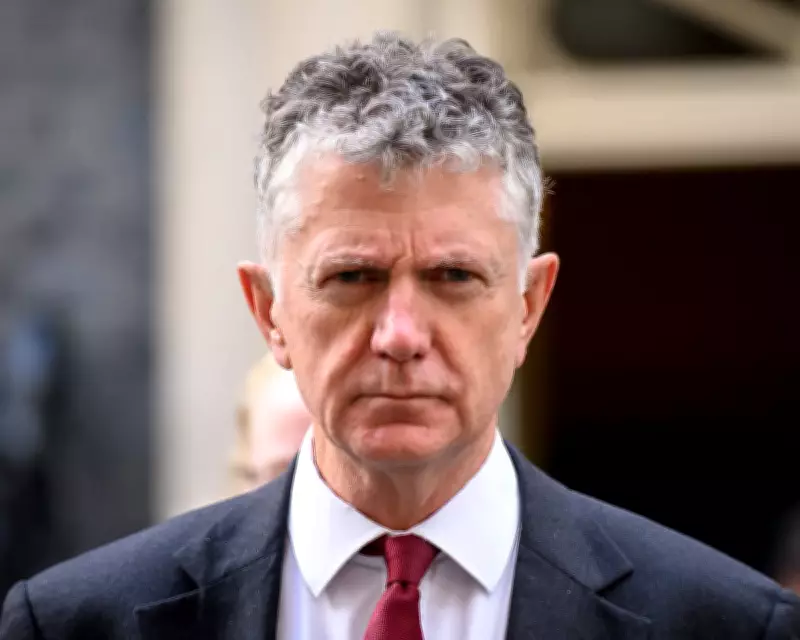
Britain's national security adviser, Jonathan Powell, attended the final negotiations between the United States and Iran, assessing that Tehran's proposal on its nuclear programme was significant enough to avert a rush to war, according to exclusive sources. Powell, who has extensive experience as a mediator, believed progress had been made during the talks in Geneva, describing Iran's offer as "surprising" and indicative of potential diplomatic success.
Powell's Involvement and Expert Assessment
Powell's presence at the talks, along with his detailed knowledge of their progression, was confirmed by three independent sources. One source indicated he was actively involved as an adviser at Oman's ambassadorial residence in Cologny, reflecting widespread concerns about the US delegation's expertise. The US team, led by Jared Kushner and Steve Witkoff, had invited Rafael Grossi, director general of the International Atomic Energy Agency (IAEA), for technical support, though nuclear experts later criticised Witkoff's statements as containing basic errors.
Powell brought his own expert from the UK Cabinet Office to the discussions, underscoring the British government's cautious approach. A western diplomat noted, "Jonathan thought there was a deal to be done, but Iran were not quite there yet, especially on the issue of UN inspections of its nuclear sites." This perspective was echoed by a former official briefed on the talks, who added that the UK team was "surprised by what the Iranians put on the table" and viewed it as a foundation for further negotiations.

Details of Iran's Proposal and Diplomatic Efforts
Iran's offer included several key concessions aimed at easing tensions:
- A permanent deal without sunset clauses, unlike the 2015 nuclear agreement.
- Down-blending a 400kg stockpile of highly enriched uranium under IAEA supervision within Iran.
- Agreement to avoid future stockpiles of highly enriched uranium.
- A three- to five-year pause on domestic enrichment, though the US later demanded a ten-year pause.
- An economic package offering US participation in Iran's civil nuclear programme, with nearly 80% of sanctions lifted.
The Omani mediator, Foreign Minister Sayyid Badr bin Hamad Al Busaidi, believed the zero stockpiling commitment was a breakthrough, suggesting an agreement was within reach. However, accounts vary on whether Kushner indicated Trump's support or if US negotiators felt a major shift was needed to avoid war.
Aftermath and UK-US Strain
Two days after the talks concluded, and with a follow-up meeting scheduled in Vienna, the US and Israel launched an attack on Iran. Powell's involvement helps explain the UK government's reluctance to endorse this action, which has strained the UK-US relationship. The UK saw no compelling evidence of an imminent Iranian missile threat to Europe or of Iran acquiring nuclear weapons, viewing the attack as unlawful and premature. Downing Street declined to comment on Powell's role or views.
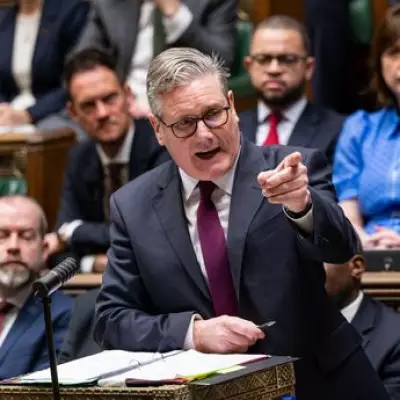
Keir Starmer has faced criticism from Trump for limited support, including initially refusing US use of British military bases and only permitting defensive use later. Trump has warned that NATO European states' refusal to assist in opening the Strait of Hormuz could harm the alliance. This incident marks the first clear indication of Britain's close involvement in the talks, providing a basis for its diplomatic stance.
One diplomat with knowledge of the talks remarked, "We regarded Witkoff and Kushner as Israeli assets that dragged a president into a war he wants to get out of." The UK's subsequent analysis highlighted Iran's willingness for a permanent deal and the lack of cut-off dates as positive signs, though the attack ultimately derailed further negotiations.