Ukraine's Conscription Crisis Deepens Amid Relentless Russian Assaults
As Ukraine continues to hold the line against Russia's relentless assaults, a major conscription scandal has emerged, with millions avoiding military call-up and hundreds of thousands of soldiers absent without leave. World affairs editor Sam Kiley reports from Izyum in eastern Ukraine, highlighting the grim reality on the ground.
The Scale of the Draft-Dodging Problem
Earlier this year, Ukraine's defence minister, Mykhailo Fedorov, admitted that the country has 2 million draft-dodgers and hundreds of thousands more who are absent without leave. The Ukrainian prosecutor's office has opened approximately 290,000 cases since 2022 against soldiers for abandoning their posts. This crisis comes as pressure mounts internationally, with the Trump administration shifting focus from Ukraine to the conflict with Iran, peace talks stalling, and Vladimir Putin launching a spring offensive.
In an interview released on Easter Sunday, President Volodymyr Zelensky warned that a prolonged war in the Middle East could further erode US support for Ukraine, potentially reducing deliveries of essential Patriot air-defence missiles. Since the full-scale invasion began four years ago, Ukraine has defied expectations and held back Russia's onslaught, but it is now transitioning to a war of attrition, boasting that its forces are killing more Russians than Moscow can recruit monthly.

Personal Stories and Psychological Challenges
The nature of warfare in Ukraine has evolved from a spirited defence in early 2022 to a grinding conflict where few sent to the front expect to return. Denys, a 37-year-old draft-dodger, shared his perspective: "At the beginning of the war, I went to the enlistment office myself. Everyone was going back then, saying, 'Take us!' I was the same. They told me, 'We don't need you yet, go on home, we'll call you.' Later, I saw everything that was happening – the injustice, plenty of people buying their way out, the untouchables, while others are shoved into a bus despite having illnesses." He added that he cares for his sick father and fears losing limbs, but would serve if Russians threatened Kyiv again.
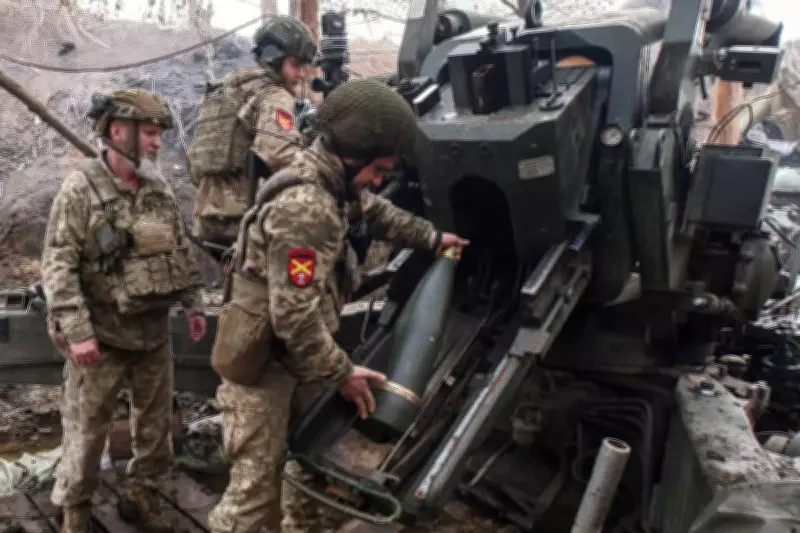
On the front lines, soldiers in reconnaissance units report exhaustion, knowing they are too valuable to be rotated out. A drone pilot near Zaporizhzhia described serving as a foot soldier for three years non-stop before switching to drones. Oleksandr Merezkho, chair of Ukraine's parliamentary foreign affairs committee, noted: "People view joining the military as a one-way ticket, because they don't see rotations. If they knew they would fight for one year and that's it, and they can have a rest, then they will be more inclined to join the military." He emphasised that psychological incentives are crucial, as seeing draft-dodgers discourages others from enlisting.
Conscription Policies and Volunteer Shortfalls
Ukraine initially relied on vast numbers of volunteers at the start of the invasion, avoiding drafting young men. When conscription was introduced, it targeted men over 30, with the lowest age for compulsory service remaining 25. Additionally, 18- to 24-year-olds were allowed to leave the country last year, and hundreds of thousands chose to do so. Zelensky's ruling Servant of the People party has argued that young people, representing the nation's future, should be spared the worst of the war.
A scheme to offer incentives for joining the armed forces, with significant sign-on benefits, has failed, with local press reporting high casualty rates. Yevhen Karas, commander of the Raid Regiment of drone operators, stated: "No big war was won by volunteers." He highlighted scandals about mobilisation problems, including corruption where commanding officers took bribes for leave or sold resources allocated to deserters.

Efforts to Reform and Improve Military Quality
Defence Minister Fedorov, a Yale University management graduate, is leading a project to transform Ukraine's forces into data-driven centres, using statistics and strict reporting systems to combat corruption. His staff believe there will be a greater focus on solving manpower issues, even as Ukraine has stubbornly held the line for four years. Brigadier Andrii Biletskyi, commander of the Third Corps, noted that his brigade is oversubscribed and 90% volunteers, attributing this to trust in unit principles, commanders, education, management, and equipment.
However, many officers and troops say senior leaders still exhibit a "Soviet-style" attitude of indifference to soldiers on the ground. Draft-dodgers risk being hunted down and sent to dangerous areas with little chance of return, leading many to live in hiding or avoid public spaces. Biletskyi argued: "Give these people confidence that they will get good training and a good commander, and most of them will go [to sign up]. Improve training, improve the quality of sergeants and officers below, and you will receive normal numbers with mobilisation." He emphasised that, given the high kill ratio of Ukrainians to Russians (estimated at 1:8 or more), quality of soldiers is more critical than quantity.
Fedorov is expected to soon scrutinise the quality of Ukraine's top military leadership, as the country navigates this conscription crisis amidst ongoing conflict. Additional reporting by Oleksandr Chubko provides further insights into the challenges facing Ukraine's armed forces.