US-Iran Peace Talks Collapse After Just One Day in Islamabad
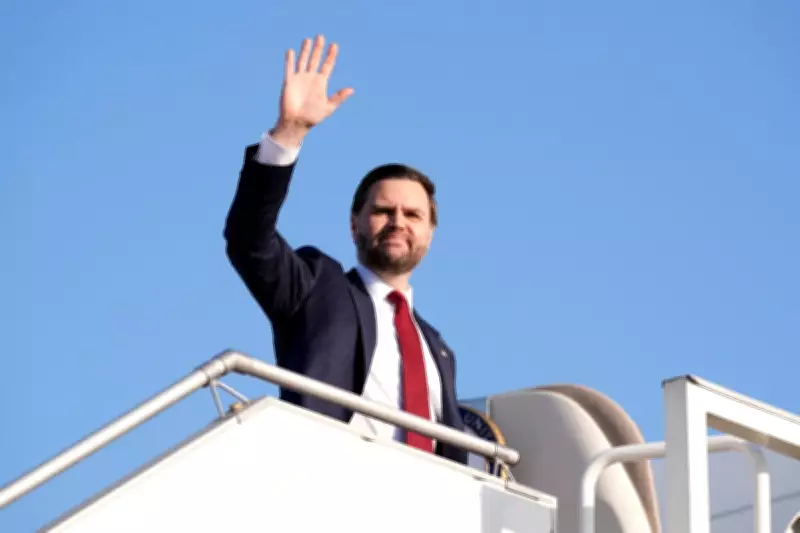
High-stakes peace negotiations between the United States and Iran have disintegrated after a mere single day of discussions in Pakistan, with US Vice President JD Vance attributing the failure to Tehran's unwillingness to accept American terms.
Marathon Negotiations End Without Agreement
US and Iranian officials traveled to Islamabad on Saturday for what had been described as "make or break" peace talks aimed at ending the bloody six-week conflict and reopening the strategically vital Strait of Hormuz. However, after 21 hours of intensive negotiations, both delegations departed empty-handed on Sunday.
In remarks following the marathon session, Vice President Vance suggested the primary sticking point emerged when Iran failed to convince American negotiators that it would not pursue nuclear weapons development in the long term.

"The simple question is, do we see a fundamental commitment of will for the Iranians not to develop a nuclear weapon, not just now, not just two years from now, but for the long term," Mr Vance told reporters. "We haven't seen that yet."
Diverging Perspectives on the Breakdown
Iranian officials presented a different perspective, acknowledging some progress but ultimately blaming the collapse on disagreements over two critical issues: the management of the Strait of Hormuz shipping route and Iran's nuclear program.
An Iranian analyst close to the government revealed to The New York Times that the talks fell apart due to specific US demands, including zero uranium enrichment and the removal of nearly 900 pounds of stockpiled uranium, in addition to the Hormuz management dispute.
A foreign ministry spokesperson described the negotiations as taking place in an "atmosphere of mistrust" and noted it was unrealistic to expect a comprehensive agreement in just one round of talks. The spokesperson confirmed there are currently no plans for resuming negotiations.
Leadership Reactions and Military Implications
During the negotiations, US President Donald Trump remarked that it made "no difference to me" whether a deal was reached, adding "We're sweeping the strait" in reference to the Strait of Hormuz.
Following the talks, Vice President Vance stated the Americans were leaving with a "final and best offer" on the table, adding "We'll see if the Iranians accept it."
With no further talks scheduled, Washington must now consider alternative options to reopen the Strait of Hormuz and stabilize volatile oil and gas prices. Vance declared Iran's nuclear disarmament a "core goal" of US policy, suggesting the American stance is unlikely to change.
Potential Escalation and Regional Consequences
The lack of agreement could prompt the US to abandon the fragile ceasefire and resume military actions against Iran, though such moves would be unlikely to secure safe passage through the Strait of Hormuz.
President Trump amplified concerns about potential escalation by sharing a news article on social media suggesting he might consider implementing a naval blockade in the region.
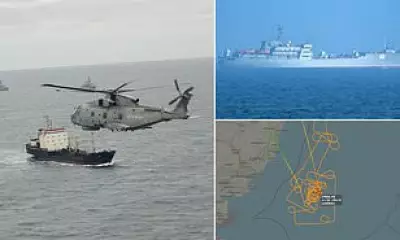
Senior military officials have provided context for the president's earlier comments about "clearing the strait," indicating a buildup of US naval power. US Central Command Commander Admiral Brad Cooper stated on Saturday: "Today, we began the process of establishing a new passage and we will share this safe pathway with the maritime industry soon."
Iranian Posture and Expert Analysis
Iranian officials have remained largely silent about their next steps, suggesting it was "natural" that negotiations couldn't conclude successfully in just one day. The Tasnim news agency cited a source stating "Iran is not in a hurry for negotiations."
Officials hinted at possible renewed conflict, with Foreign Minister Abbas Araghchi declaring on Saturday that Tehran was prepared to retaliate if attacked again.

Ross Harrison, a senior fellow at the Middle East Institute, told Al Jazeera that a deal appears unlikely if Vance's public ultimatum reflects his private negotiating stance.
"If that's the case, the Iranians are convinced they're in no better position to make a deal than they were before the war when there were talks on the nuclear file," he explained.
Harrison added that Iran has already paid the human cost of the conflict and therefore "is not going to go back to the status quo ante before the war." He expressed hope that public statements represented grandstanding and that genuine progress might have occurred behind closed scenes, though this would only become apparent in coming days.