Venezuela's government has moved with extraordinary speed to outlaw the seizure of oil tankers, passing new legislation just days after US forces intercepted two vessels carrying Venezuelan crude. The move marks a significant escalation in the ongoing confrontation between Caracas and Washington.
Emergency Legislation Passed in 48 Hours
The National Assembly, controlled by President Nicolás Maduro's ruling party, introduced, debated, and approved the measure within a mere two days. The bill was not published publicly on Tuesday, but details read aloud in the chamber reveal its sweeping scope.
The new law criminalises a broad range of activities that hinder navigation and commerce, specifically targeting "acts of piracy, blockades or other international illegal acts" against entities trading with Venezuela. It mandates severe penalties, including fines and prison sentences of up to 20 years for anyone who promotes, requests, supports, finances, or participates in such acts.
Direct Response to US 'Shadow Fleet' Crackdown
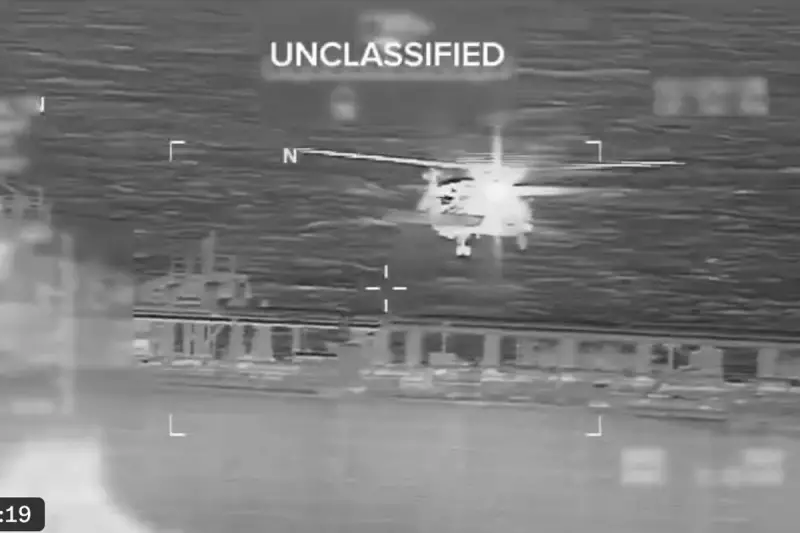
This legislative rush is a direct countermeasure to recent US operations. In recent weeks, US forces have seized two tankers in international waters as part of President Donald Trump's pressure campaign against Maduro's regime.
The US Coast Guard, with Navy assistance, seized the Panama-flagged tanker Skipper on December 10. This was followed by the seizure of another Panama-flagged vessel, the Centuries, on December 20. The Trump administration identifies these ships as part of a "shadow fleet" used by Venezuela to circumvent stringent US economic sanctions on its oil exports.
Following the first seizure, Trump explicitly threatened a "blockade" of Venezuela and stated that Maduro's "days in power are numbered." He reiterated this stance on Monday, warning, "If he wants to do something, if he plays tough, it’ll be the last time he’ll ever be able to play tough."
Political Divisions and Economic Protections
The situation has exposed deep political fractures within Venezuela. The country's political opposition, including prominent figure and Nobel Peace laureate María Corina Machado, has expressed support for Trump's hardline policy, including the tanker seizures.
Meanwhile, the new Venezuelan law does more than just prescribe punishments. It also instructs the executive branch to develop economic incentives and protective mechanisms for national or foreign companies doing business with Venezuela, should they face piracy, blockades, or other unlawful acts. The bill now awaits President Maduro's signature to become law.
This rapid legal manoeuvring underscores the high-stakes nature of the maritime confrontation, where control over oil shipments has become the latest battleground in a protracted political and economic conflict.