Stephen Colbert's CBS Interview Upends Texas Democratic Senate Race
The battle for the Democratic nomination for U.S. Senate in Texas has been dramatically reshaped this week following a viral intervention by late-night host Stephen Colbert and CBS. The controversy has injected millions in donations and national attention into the campaign of state Representative James Talarico, while leaving his opponent, Congresswoman Jasmine Crockett, and her high-profile supporters seething with anger.
The Colbert Bombshell That Changed Everything
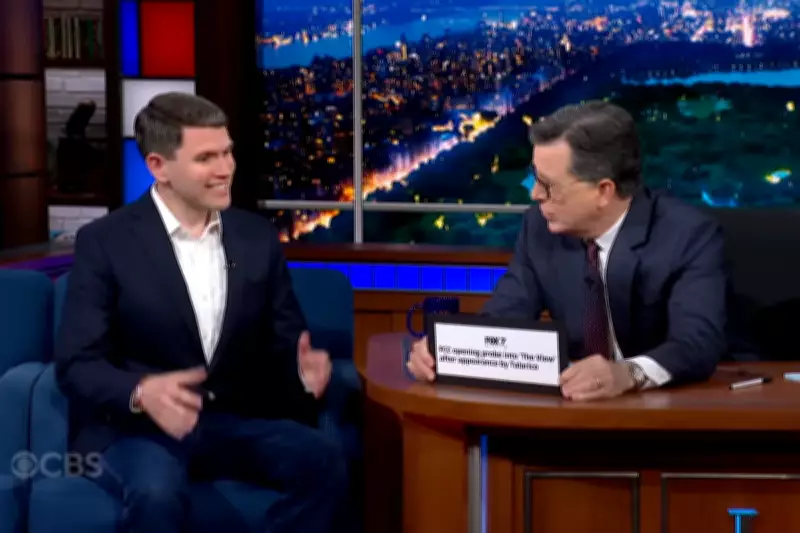
What began as a routine primary contest between two closely matched candidates turned into a political firestorm on Monday evening. Stephen Colbert used his monologue to reveal that CBS had demanded he not broadcast a pre-recorded interview with James Talarico, allegedly to appease the Trump administration and the Federal Communications Commission.
"Let's just call this what it is: Donald Trump's administration wants to silence anyone who says anything bad about Trump on TV, because all Trump does is watch TV," Colbert declared during his show, which he claimed faces cancellation in May for similar reasons.

The result was immediate and explosive. Despite CBS issuing denials, which Colbert literally trashed on-air, the segment featuring Talarico's interview exploded across social media and political circles. The YouTube upload quickly amassed 7.7 million views and counting, with a separate clip explaining the network's decision trailing closely behind in viewership.
Fundraising Windfall and Campaign Consequences
Talarico's campaign capitalized brilliantly on the unexpected national spotlight. In just two days following the controversy, his team pulled in a staggering $2.5 million in donations—an amount that would typically require weeks of concerted fundraising effort.
Meanwhile, Crockett and her supporters expressed clear frustration at the timing and impact of the incident. The congresswoman noted pointedly that the CBS controversy "just so happened to play out on the very first day of early voting" during a Wednesday press conference.
"I think it probably gave my opponent the boost he was looking for," Crockett added during an interview with former White House Press Secretary Jen Psaki on MSNOW. "Because we know that when we resist and when we know that it seems like they're trying to change the rules and bend the knee to this president, that it backfires in historic fashion."
Social Media Fury and Accusations of Orchestration
On platforms including X, Instagram, TikTok, and the left-leaning BlueSky, Crockett's supporters responded with fury to Talarico's sudden surge. Many suggested the entire controversy might have been orchestrated.
"This seems like a setup to boost Talarico," wrote one user on BlueSky. Democratic strategist Mike Nellis went further, suggesting Trump allies might have planned the move: "They created more attention, and now they're going to help Talarico win this primary. Just no restraint from these people."
The Colbert controversy adds another volatile layer to a race that was already turning toxic. The campaign had previously been rocked by accusations from a Crockett-supporting influencer that Talarico made disparaging comments about Colin Allred, a former candidate who, like Crockett, is Black. Talarico strongly denied the accusation, but the incident sparked ugly exchanges online between supporters of both candidates.
The Influencer Problem and Democratic Party Concerns
Several Democratic operatives in Texas expressed concern about how social media influencers are shaping the race's tone. One lamented how "stupid" the contest had become, blaming "eight people, most of whom don't live in Texas, who are fighting on the internet" for driving the conversation.
The controversy highlights broader concerns within the Democratic Party about its embrace of new media strategies. Following the Democratic National Committee's 2024 focus on reaching audiences through podcasts and social media influencers, some are now questioning the unintended consequences.

Texas-based Democratic influencer Olivia Julianna told the Texas Tribune: "I have just been really gut-wrenched at what this primary has become... We would all do a lot of good if every once in a while we realized social media is not real life."
Luke Warford, founder of the Agave Democratic Infrastructure Fund, explained that while working with influencers was theoretically correct for modern campaigning, "people didn't think through the downsides and the risks of that." He estimated the Colbert controversy has put Talarico several points ahead in the race.
Runoff Likely as Republicans Face Their Own Turmoil
With voting concluding on March 3, most observers expect Crockett and Talarico to face a runoff in May, ensuring weeks of continued intra-party sniping before a final decision. Meanwhile, Texas Republicans are experiencing their own turmoil, with incumbent Senator John Cornyn trailing challenger Ken Paxton in polls and engaging in bitter public exchanges.
As both parties eye their respective primaries nervously, the Texas Senate races are serving as a cautionary tale about the unpredictable power of media controversies in modern politics—and the challenges of managing party unity in an era of social media amplification.