Nigel Farage Launches Scathing Attack on YouGov Over Polling Methodology
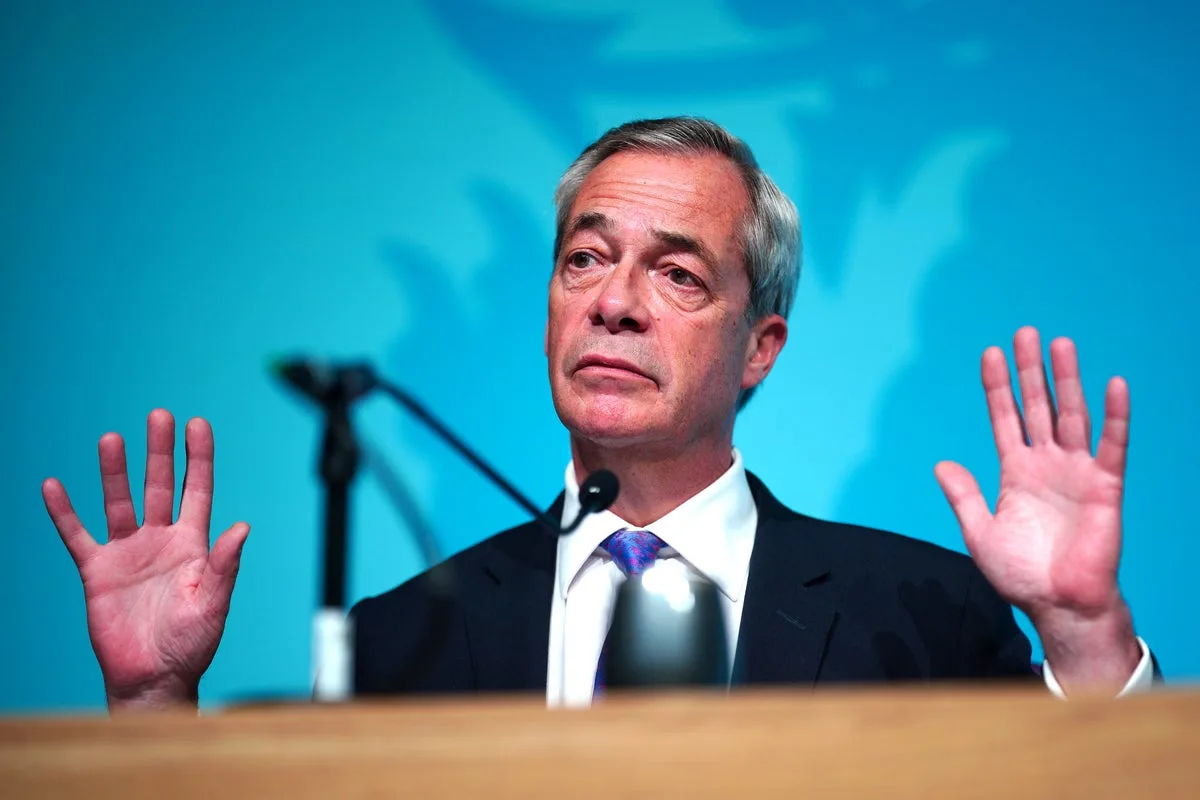
Reform UK leader Nigel Farage has launched a fierce public criticism against one of the country's most prominent polling organisations, accusing YouGov of deliberately downplaying his party's electoral support through what he describes as "bizarre adjustments" to their methodology.
Polling Discrepancies Spark Controversy
The political firestorm erupted following YouGov's latest survey, which placed the right-wing Reform UK party at 23% of the vote share. This figure positions Reform just four percentage points ahead of Kemi Badenoch's Conservative Party at 19%, with Labour trailing slightly at 17%.
However, significant discrepancies have emerged between different polling firms. Another survey published this week by More in Common showed Reform UK commanding a much higher 30% of the vote share, with Labour at 22% and the Conservatives at 19%. Meanwhile, pollster JL Partners recorded Reform at 27%, representing a four-point decline from their previous measurement.
Farage's Social Media Outburst and Formal Complaint
Taking to his X account this week, Mr Farage expressed his frustration with the polling variations, stating: "Reform are strong in all of the polls except YouGov. They are using bizarre adjustments to suppress the true figures."
The Reform chief followed this social media criticism with a formal letter to the polling firm, in which he emphasised: "As leader of a national party, you will appreciate that my colleagues and I monitor the polling industry closely. You will also be aware that political polling plays a significant role in shaping public perception, particularly on social media."
YouGov's Defence of Their Methodology
YouGov has firmly denied Mr Farage's allegations, defending their polling approach as both transparent and accurate. The company explained that their current methodology was introduced ahead of the last general election and has proven effective in predicting electoral outcomes.
Anthony Wells, YouGov's global head of politics, elaborated on their approach earlier this week, explaining: "Our post-election review found this approach was substantially more accurate than more traditional methods and was instrumental in making us one of the most accurate pollsters at the 2024 election."
The polling firm employs a two-question system to determine voting intentions. First, they ask respondents how they would vote if a general election were held tomorrow. Then they ask people to consider their specific constituency circumstances and the parties standing there before indicating their voting preference.
"It is the answers to the second question that we use to drive our headline voting intention figure," Mr Wells clarified. "We have found this approach is more effective at picking up tactical voting considerations and how people actually cast their vote on the day, in particular in seats where the Liberal Democrats are in contention."
YouGov maintains that their methodology better reflects tactical voting patterns and accurately predicted the Reform vote in the previous general election, despite the current controversy surrounding their figures.